A Buyer's Guide to Avoiding Pitfalls: How to Assess the Quality of Steel and Magnetic Cores in Precast Formwork Magnets?
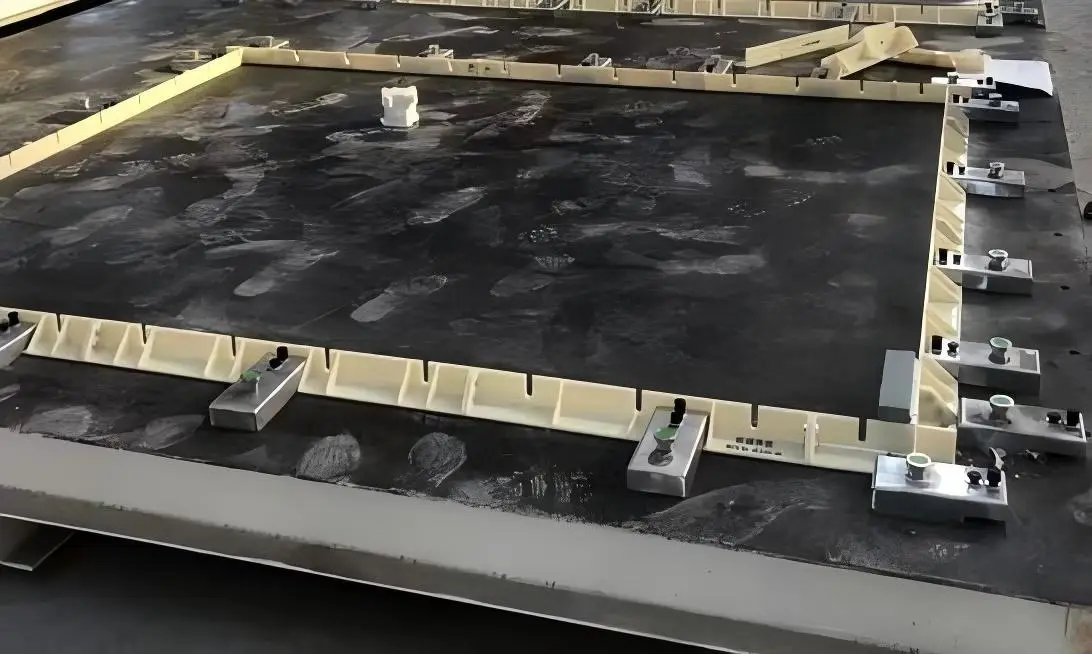
In the production of precast concrete (PC) components, formwork magnets serve as pivotal tools for ensuring mold precision and production efficiency. However, the market is flooded with products of varying quality; how can one develop a discerning eye to steer clear of the traps set by inferior goods? The key lies in mastering the techniques for assessing the quality of both the steel housing and the internal magnetic core.
In the production of precast concrete (PC) components, precast formwork magnets serve as pivotal tools for ensuring mold precision and production efficiency. However, the market is flooded with products of varying quality; how can one develop a discerning eye—a "fiery golden gaze"—to steer clear of the traps set by inferior products? The key lies in mastering the techniques for assessing the quality of both the steel housing and the internal magnetic core.
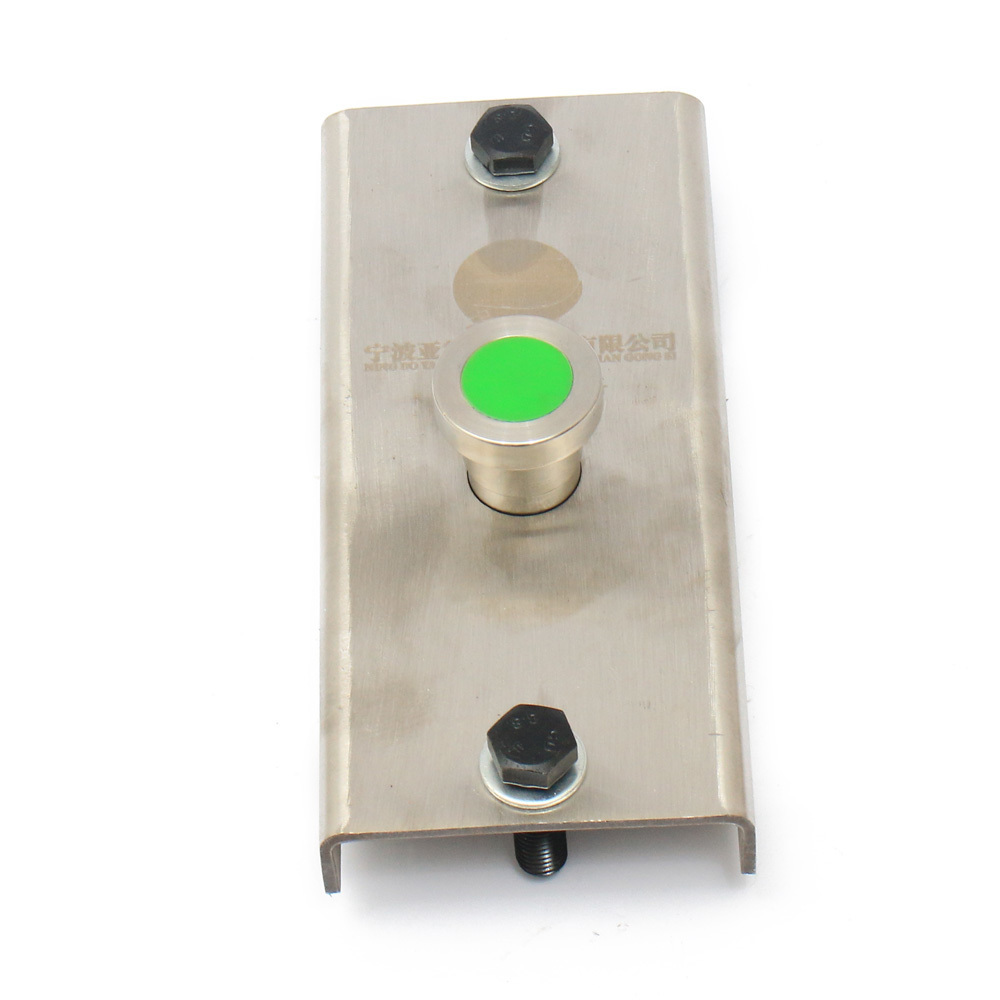
First, begin by examining the steel housing. The housing of a high-quality precast formwork magnet is typically constructed from high-strength steel, featuring a smooth, flat surface free of rust or burrs. A simple magnetic test can provide a preliminary assessment of the steel's quality: bring a standard magnet close to the housing; high-quality steel will exhibit a uniform and stable magnetic response. If the magnetic attraction feels abnormally strong or shows localized inconsistencies, it may indicate excessive impurities in the steel—a condition that makes weld joints prone to cracking over time, thereby compromising structural integrity. Furthermore, inspecting the housing's surface coating is crucial; a robust galvanized or epoxy resin coating effectively resists corrosion from the alkaline environment of concrete, thereby extending the product's service life.
Second, the core of the matter lies in the performance of the magnetic core itself. The magnetic core is the source of the magnet's powerful holding force and is typically composed of high-performance sintered Neodymium-Iron-Boron (NdFeB) material. Although the interior cannot be directly viewed, its quality can be indirectly assessed through performance testing. Place the magnet on a clean steel surface, activate its magnetic force, and then attempt to dislodge it using a pry bar to gauge whether its holding force is both strong and stable. Insufficient holding force or noticeable fluctuations may indicate a low-grade magnetic core material or a poorly designed magnetic circuit. Concurrently, repeatedly actuate the activation button to verify the responsiveness and reliability of the mechanical mechanism, ensuring the spring rebound is vigorous; this directly impacts the efficiency of the magnetic circuit's engagement and release, as well as overall operational convenience.
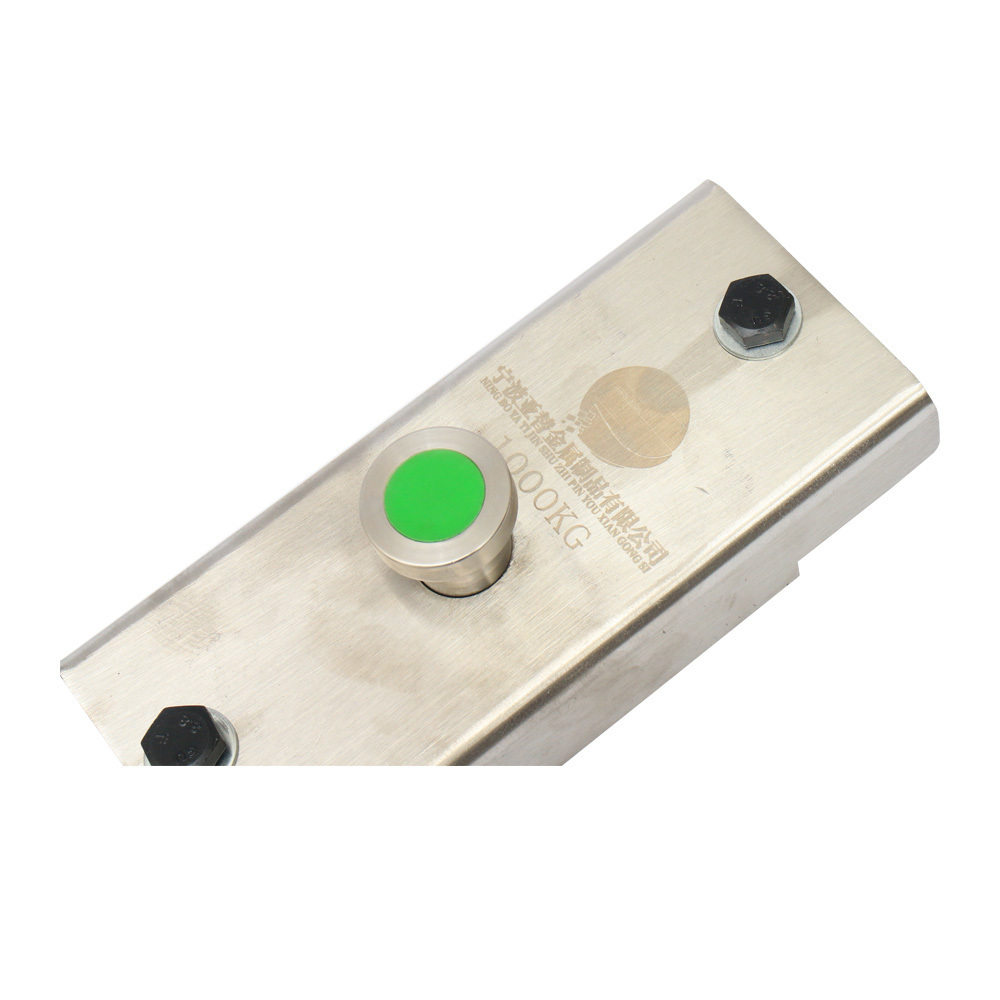
Finally, do not overlook the details. Inspect the machining precision of connecting components—such as threaded holes and adapters—to ensure seamless compatibility with various formwork systems. The fundamental strategy for mitigating risk is to select manufacturers that provide clear performance specifications, maintain rigorous quality control standards, and offer excellent after-sales support. Remember: a high-quality precast formwork magnet is not merely a production tool; it serves as a steadfast pillar, safeguarding both the quality and efficiency of your construction projects.
MORE
18 Jan,2025
Magnetic Box Maintenance Notice Manual

13 Oct,2026
Magnetic Shuttering: Enhancing Efficiency in Electrical Applications

Ningbo Yati Metal Products Co., Ltd.
No. 55, Meiliangqiao Village, Hengjie Town, Haishu District, Ningbo City, Zhejiang Province