Efficient Construction: An Analysis of Precast Shuttering Magnet Applications
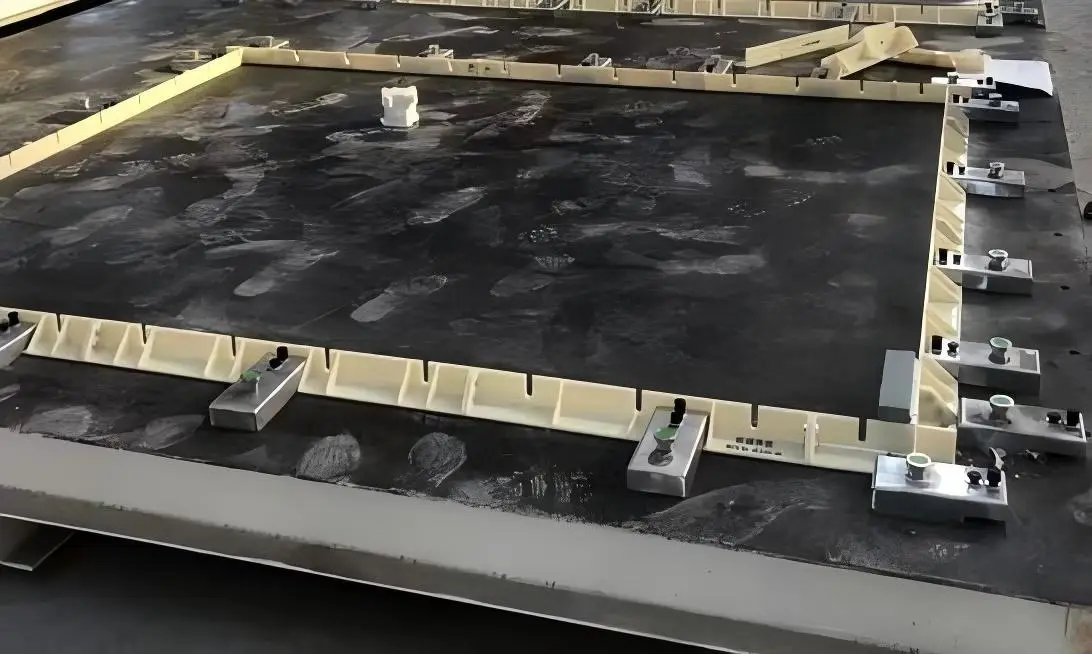
Against the backdrop of the rapid development of modern prefabricated construction, Precast Shuttering Magnets—serving as highly efficient fastening tools—are gradually replacing traditional bolt and welding methods, emerging as essential auxiliary equipment within the precast concrete industry. Utilizing powerful magnetic adsorption as their core principle, these magnets enable the rapid positioning and securing of formwork, thereby significantly enhancing both construction efficiency and precision.
Against the backdrop of the rapid development of modern prefabricated construction, Precast Shuttering Magnets—serving as highly efficient fastening tools—are gradually replacing traditional bolt and welding methods, emerging as essential auxiliary equipment within the precast concrete industry. Utilizing powerful magnetic adsorption as their core principle, these magnets enable the rapid positioning and securing of formwork, thereby significantly enhancing both construction efficiency and precision.
I. Working Principles of Precast Shuttering Magnets
Precast Shuttering Magnets incorporate a high-strength permanent magnet system internally, utilizing a press mechanism or switch structure to control the release and locking of magnetic force. When activated, the base of the magnet firmly adheres to steel formwork or steel casting beds, thereby fixing the position of the side formwork and preventing displacement during the concrete pouring process. Upon completion of use, the magnetic force can be disengaged—either manually or with a specialized tool—allowing for rapid removal and subsequent reuse.
II. Key Advantages
First and foremost is the ease of installation; requiring no drilling, welding, or additional fasteners, these magnets significantly reduce construction time. Secondly, they boast a high rate of reusability; a single set of magnets can be cycled through numerous projects over a long period, thereby lowering overall construction costs. Furthermore, their magnetic force remains stable and reliable; even in environments involving vibration or high-pressure concrete pouring, they maintain the stability of the formwork, thereby improving the dimensional accuracy of the finished concrete components.

III. Wide Range of Applications
Precast Shuttering Magnets are widely utilized in the production of various concrete components—such as wall panels, staircases, beams, and columns—and are particularly well-suited for industrialized production lines within prefabricated construction facilities. Whether for small-scale components or large-scale precast elements, this equipment provides stable support, thereby boosting overall production efficiency.
IV. Selection and Usage Considerations
When selecting these products, priority should be given to factors such as magnetic strength, housing material, and the design of the operating mechanism. High-quality products typically feature rust-resistant steel housings and high-performance magnetic cores to ensure that magnetic strength does not diminish over time. During use, it is essential to keep the adsorption surface clean to prevent concrete residue from compromising the magnetic grip. Additionally, strategically positioning the magnets can further enhance the overall stability of the formwork.
MORE
18 Jan,2025
Magnetic Box Maintenance Notice Manual

13 Oct,2026
Magnetic Shuttering: Enhancing Efficiency in Electrical Applications

Ningbo Yati Metal Products Co., Ltd.
No. 55, Meiliangqiao Village, Hengjie Town, Haishu District, Ningbo City, Zhejiang Province