Are formwork magnets suitable for large-scale precast concrete projects
With the advancement of construction industrialization and prefabricated building methods, large-scale precast concrete projects increasingly demand higher production efficiency, component precision, and construction safety. Traditional formwork fixing methods often rely on extensive bolting, welding, or manual positioning; these approaches not only suffer from low installation efficiency but also tend to drive up labor costs during mass production. As a highly efficient solution for securing formwork, magnets offer advantages such as flexible installation, easy removal, and high reusability, leading to their widespread adoption by precast concrete manufacturers. So, are formwork magnets suitable for large-scale precast concrete projects?
With the advancement of construction industrialization and prefabricated building methods, large-scale precast concrete projects increasingly demand higher production efficiency, component precision, and construction safety. Traditional formwork fixing methods often rely on extensive bolting, welding, or manual positioning; these approaches not only suffer from low installation efficiency but also tend to drive up labor costs during mass production. As a highly efficient solution for securing formwork, magnets offer advantages such as flexible installation, easy removal, and high reusability, leading to their widespread adoption by precast concrete manufacturers. So, are formwork magnets suitable for large-scale precast concrete projects?
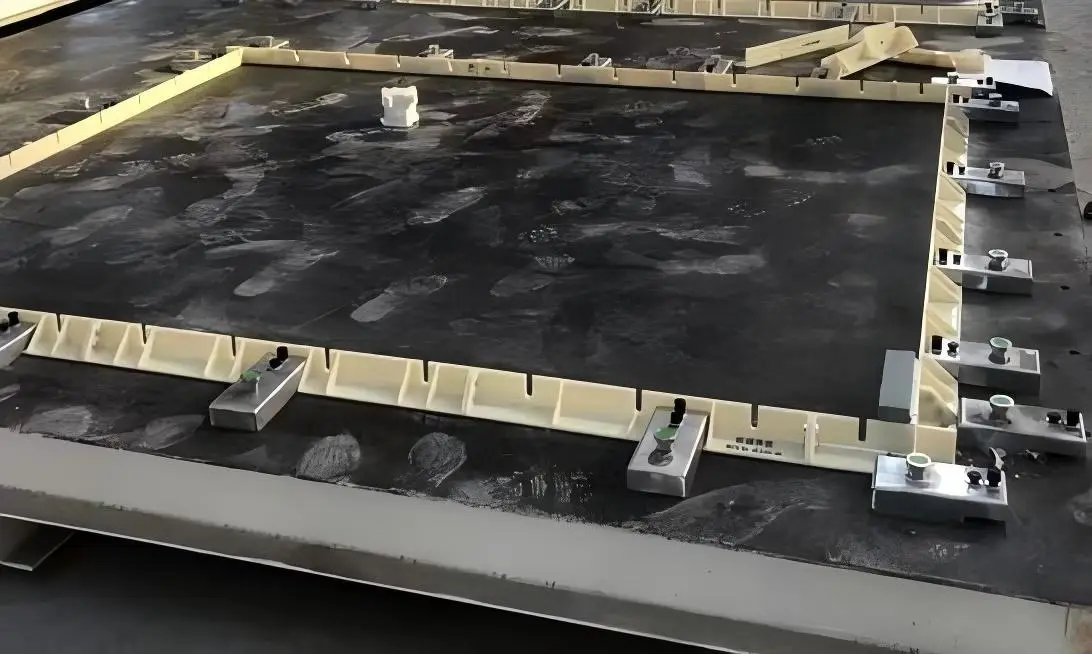
First, formwork magnets meet the productivity demands of large-scale projects. Large precast concrete plants typically require the continuous production of components such as wall panels, staircases, beams, and columns. Traditional fixing methods necessitate complex installation and dismantling procedures every time the formwork is changed, consuming significant time. In contrast, formwork magnets allow for the rapid securing of steel formwork; positioning is achieved through simple operations, drastically reducing the time spent on formwork adjustments and boosting production line efficiency.
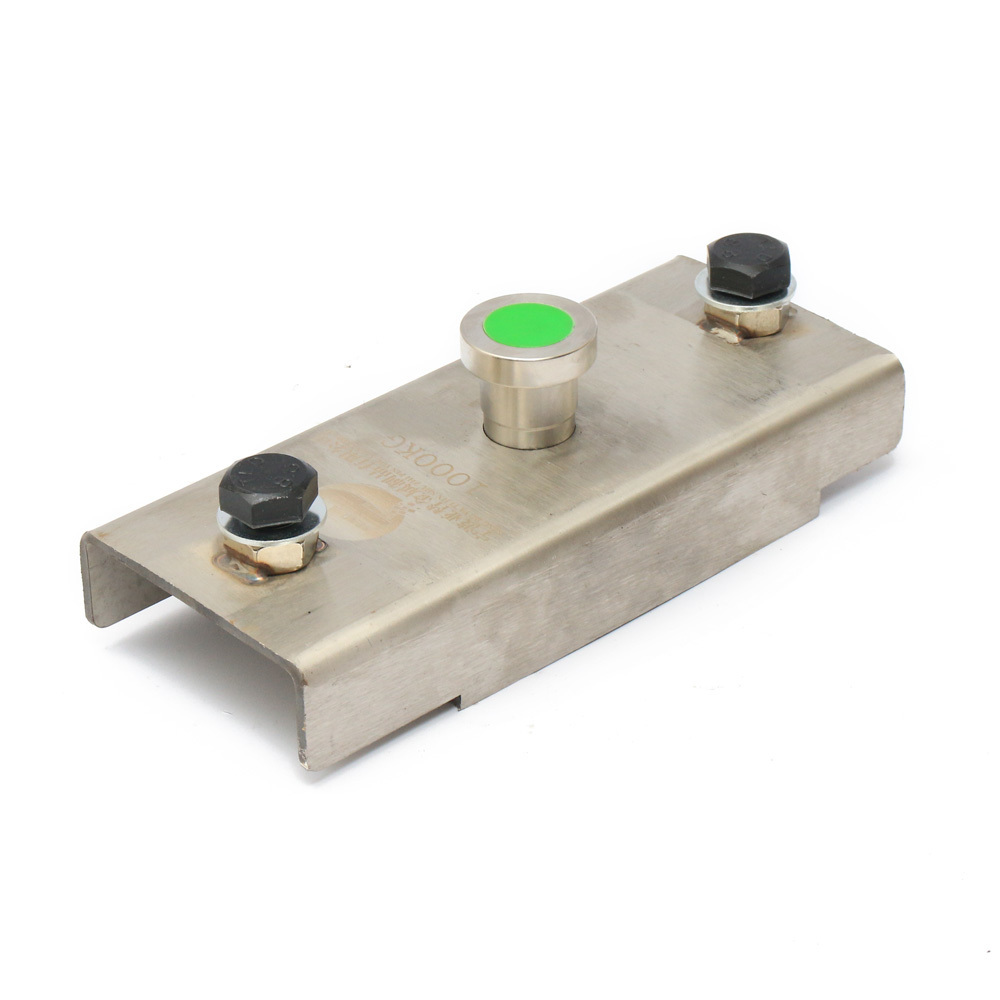
Second, formwork magnets enhance the precision of precast components. Large-scale construction projects require high dimensional consistency in concrete components; any misalignment of the formwork can lead to dimensional errors, complicating subsequent installation. High-quality formwork magnets provide stable holding power, ensuring the formwork remains fixed during the concrete pouring process. By minimizing positional shifts caused by vibration or concrete pressure, they improve the overall quality of component production.
Furthermore, formwork magnets offer great flexibility, catering to the diverse production needs of large-scale precast concrete projects. Different projects may involve concrete components of varying sizes and shapes; adjusting fixed formwork systems entails high costs. Formwork magnets, however, can be quickly repositioned and reinstalled according to the formwork layout, allowing for the production of components with diverse specifications and enhancing the production line's adaptability.
From a cost perspective, formwork magnets also offer distinct advantages. Although the initial purchase requires an investment, their reusability—combined with a reduction in auxiliary fixing materials and manual labor—lowers overall production costs in the long run. Additionally, by minimizing operations like welding and drilling, they help preserve the formwork structure and extend the equipment's service life.
Safety is another critical consideration in large-scale precast concrete projects. With traditional formwork fixing methods, improper installation can lead to the formwork coming loose during the concrete pouring process. In contrast, formwork magnets utilize a combination of mechanical locking and magnetic adhesion to provide a secure and stable hold. Furthermore, some advanced models feature a switch-controlled mechanism, allowing operators to quickly engage or disengage the magnetic force as needed, thereby enhancing operational safety.
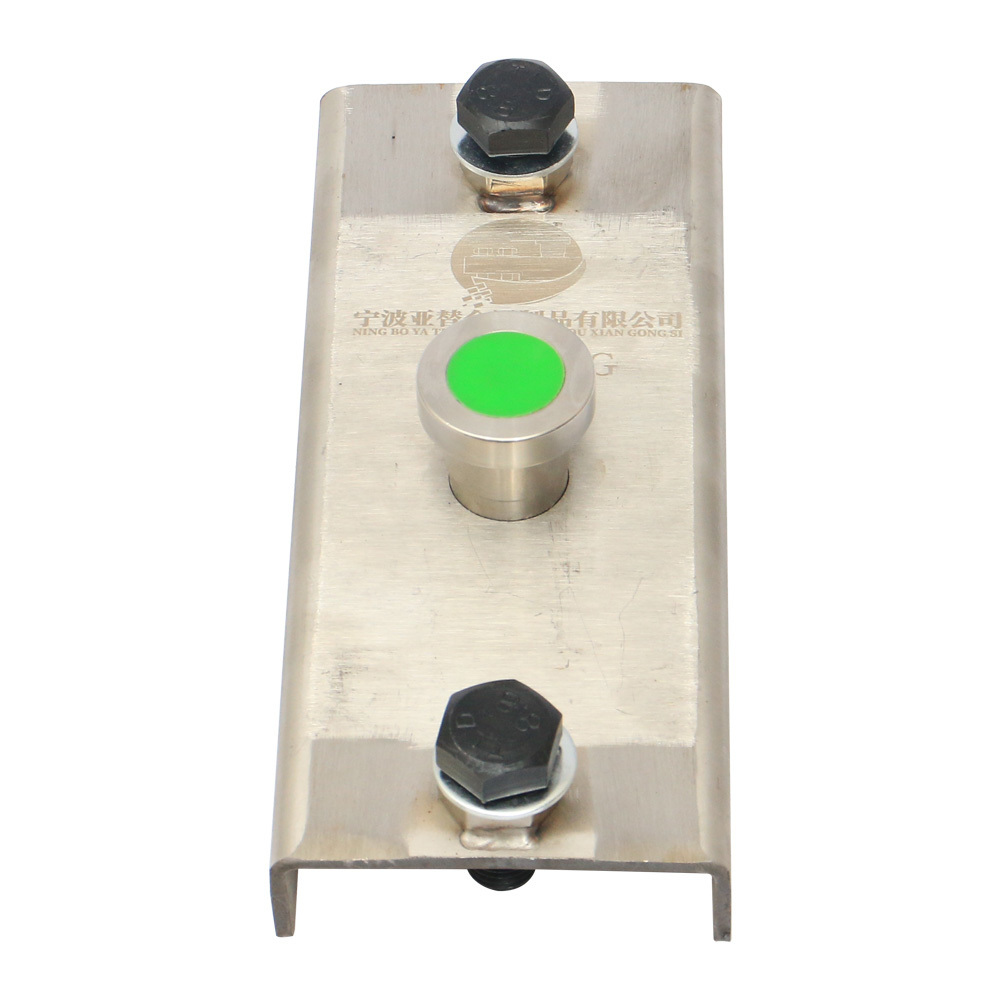
Naturally, the selection of formwork magnets should be based on the specific requirements of the project. Factors such as the dimensions of the concrete components, the weight of the formwork, the production environment, and the required magnetic holding force must be taken into account. For large-scale, high-intensity production operations, it is advisable to choose suppliers who offer stable magnetic performance, durable construction, and rigorous quality control to ensure long-term, reliable equipment operation.
Formwork magnets are ideally suited for large-scale precast concrete projects. They not only improve formwork installation efficiency and component production precision but also reduce labor costs and increase production line flexibility. As prefabricated construction continues to evolve, formwork magnets will play an increasingly vital role in the field of large-scale precast concrete manufacturing.
MORE
18 Jan,2025
Magnetic Box Maintenance Notice Manual

13 Oct,2026
Magnetic Shuttering: Enhancing Efficiency in Electrical Applications

Ningbo Yati Metal Products Co., Ltd.
No. 55, Meiliangqiao Village, Hengjie Town, Haishu District, Ningbo City, Zhejiang Province