Causes and Solutions for Insufficient Suction in Precast Formwork Magnet Boxes
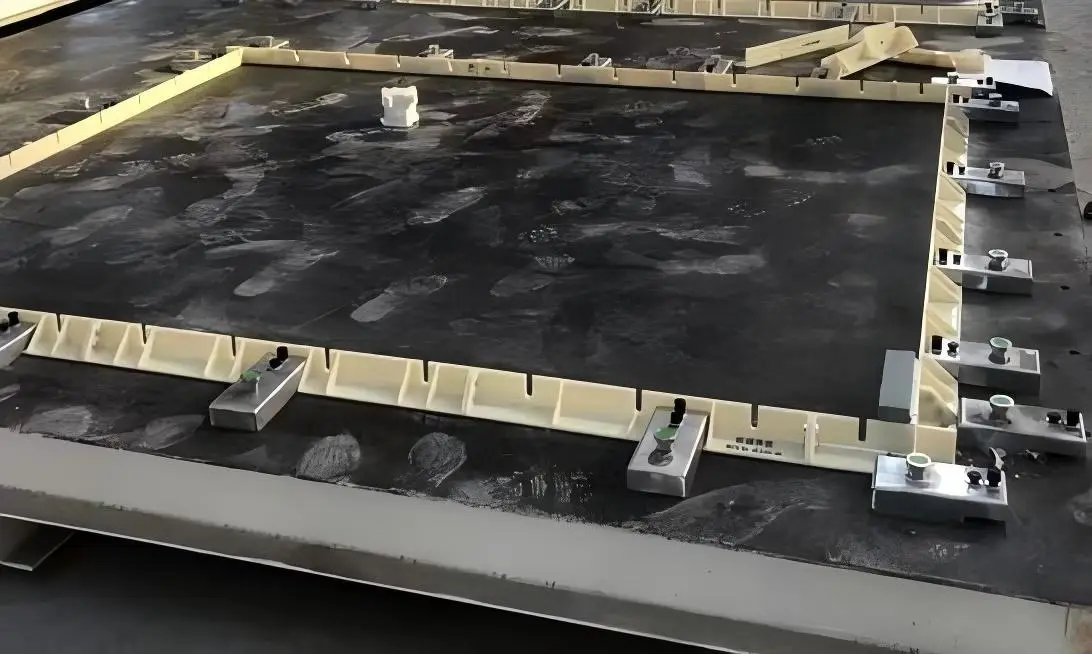
In the production of precast concrete (PC) components, Precast Formwork Magnet Boxes are widely utilized for securing formwork. They offer numerous advantages, such as rapid installation, high reusability, and the elimination of the need for welding. However, in practical application, some enterprises encounter issues with insufficient suction force, which can lead to formwork displacement, dimensional deviations, and even a decline in production efficiency. So, what are the causes of insufficient suction in Precast Formwork Magnet Boxes, and how can these issues be resolved?
In the production of precast concrete (PC) components, Precast Formwork Magnet Boxes are widely utilized for securing formwork. They offer numerous advantages, such as rapid installation, high reusability, and the elimination of the need for welding. However, in practical application, some enterprises encounter issues with insufficient suction force, which can lead to formwork displacement, dimensional deviations, and even a decline in production efficiency. So, what are the causes of insufficient suction in Precast Formwork Magnet Boxes, and how can these issues be resolved?

An uneven worktable surface is one of the most common causes. The magnet box requires close contact with the steel platform to generate a stable suction force. If the table surface is contaminated with concrete residue, metal shavings, oil stains, or exhibits significant unevenness, it will impede magnetic transmission and result in reduced suction performance. Therefore, the work platform should be thoroughly cleaned prior to every installation to ensure the contact surface is clean and level.
Wear on the bottom of the magnet box can also diminish suction force. After prolonged and frequent use, the steel plate at the base of the Precast Formwork Magnet Box may exhibit wear, deformation, or even localized rust, thereby reducing the effective contact area. In such instances—even if the internal magnetic core remains functionally sound—it becomes difficult to achieve the original level of suction performance. To address this issue, enterprises should regularly inspect the condition of the magnet box's base; when necessary, the base plate should be ground down for repair or replaced entirely.
The aging of the internal magnetic core is another significant contributing factor. Exposure to high-temperature environments, frequent mechanical shocks, or prolonged operation under excessive loads can all lead to a gradual degradation of the magnetic core's properties. As the magnetic force diminishes, the stability of the formwork fixation will deteriorate noticeably. It is recommended that enterprises establish a regular inspection schedule based on usage frequency, and promptly repair or replace any magnet boxes that demonstrate a marked decline in suction force.
Improper operating procedures can also easily give rise to problems. Some operators may activate the magnetic switch before the box has achieved full contact with the platform, or attempt to forcibly pry the box loose during removal; both actions can compromise the structural integrity of the internal components. The correct procedure involves ensuring the magnet box is in full contact with the platform *before* engaging the magnetic force, and strictly adhering to established protocols for installation and removal to minimize mechanical damage.
Finally, if the weight of the formwork exceeds the rated load capacity of the magnet box, issues with insecure fixation will inevitably arise. Different specifications of Precast Formwork Magnet Boxes correspond to specific suction force ratings; attempting to use a box with insufficient capacity for large or heavy formwork components will likely result in slippage. Therefore, during the selection phase, the specific model of the magnet box should be appropriately determined based on the dimensions and weight of the formwork, as well as the prevailing construction conditions.

Insufficient suction in precast formwork magnet boxes is not attributable to a single cause; rather, it is the result of the combined influence of the equipment's condition, operational practices, and the working environment. By prioritizing routine cleaning, standardizing operational procedures, conducting regular maintenance, and making appropriate model selections, it is possible to effectively enhance the stability of the magnet boxes and ensure both the precision and efficiency of precast component production.
MORE
18 Jan,2025
Magnetic Box Maintenance Notice Manual

13 Oct,2026
Magnetic Shuttering: Enhancing Efficiency in Electrical Applications

Ningbo Yati Metal Products Co., Ltd.
No. 55, Meiliangqiao Village, Hengjie Town, Haishu District, Ningbo City, Zhejiang Province