Does the Structural Design of Precast Concrete Magnets Affect Installation Efficiency
In the production of precast concrete components, precast concrete magnets are widely used to secure formwork, position side molds, and enhance the efficiency of mold installation. While many buyers focus primarily on magnetic strength and price, the structural design of the magnet also directly impacts installation speed, ease of operation, and long-term performance. A well-designed structure helps manufacturers reduce manual labor time and boost production line efficiency.
In the production of precast concrete components, precast concrete magnets are widely used to secure formwork, position side molds, and enhance the efficiency of mold installation. While many buyers focus primarily on magnetic strength and price, the structural design of the magnet also directly impacts installation speed, ease of operation, and long-term performance. A well-designed structure helps manufacturers reduce manual labor time and boost production line efficiency.
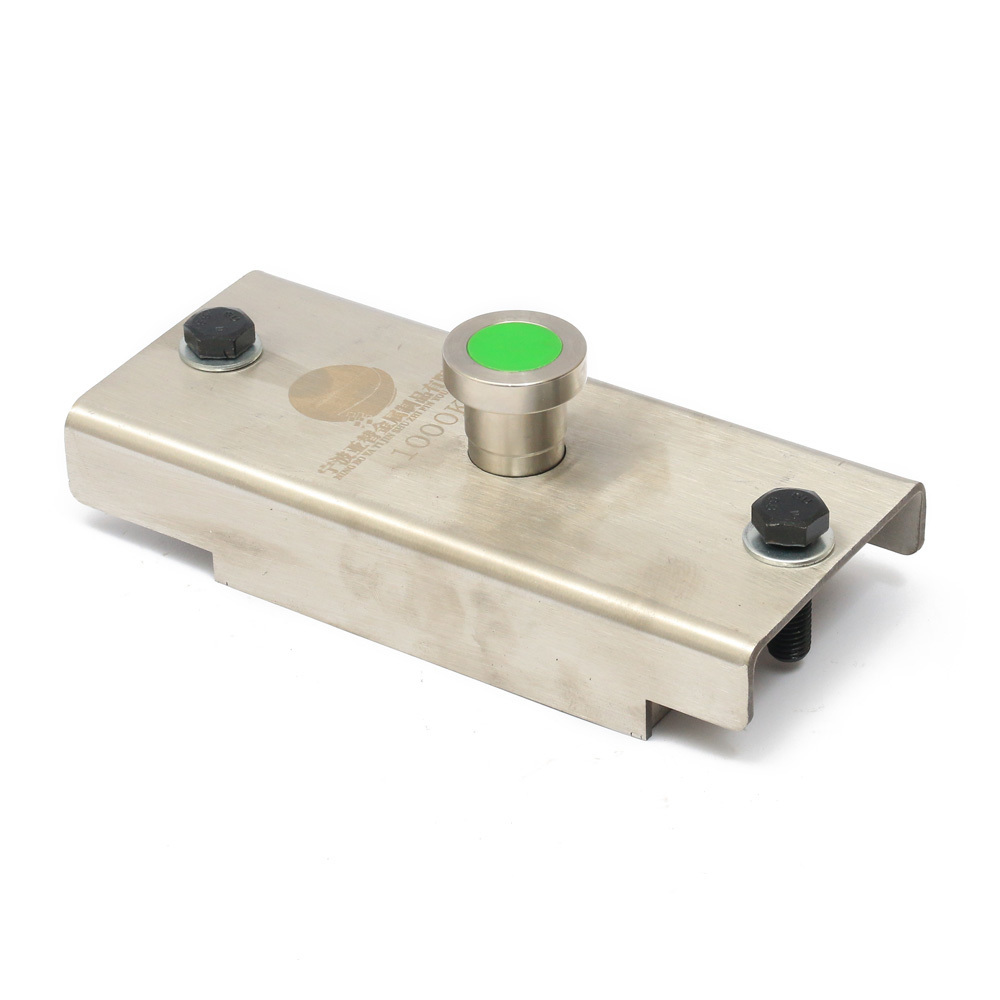
The casing structure of precast concrete magnets is a key factor influencing installation efficiency. High-quality products typically feature a robust steel casing to protect the magnetic core; this not only prevents damage from impacts but also enhances overall operational stability. Furthermore, a compact design minimizes the space required for installation, allowing the magnets to accommodate various sizes of steel, timber, and composite formwork, thereby increasing operational flexibility on-site.
The mechanism for controlling magnetic force is another critical factor affecting efficiency. Some precast concrete magnets feature a switch mechanism that allows for easy activation and deactivation of the magnetic force. During formwork installation, workers can quickly adjust the magnet's state to ensure precise positioning; during demolding, the magnet can be easily removed by simply turning off the magnetic force, eliminating the need for additional tools. This design significantly reduces manual steps and improves precast concrete production efficiency.
Additionally, the design of mounting holes and fixation methods influences practical performance. Superior precast concrete magnets often feature mounting interfaces tailored to specific application scenarios—such as compatibility with standard formwork systems or support for customized connection methods. A logical layout of mounting holes enables operators to position the magnets quickly, preventing the need for repeated adjustments due to misalignment and thus minimizing wasted time during production.
Ergonomic design is equally important. In large-scale precast production environments, workers frequently move and install magnets; if a product is excessively heavy or difficult to grip, it increases physical strain. Therefore, features such as a lightweight design, a shape that is easy to handle, and a non-slip structure can significantly improve the on-site user experience.
For precast concrete manufacturers with high levels of automation, the standardization of the magnet's structure is also crucial. Designs featuring standardized dimensions, stable performance, and ease of mechanical handling are better suited for automated production lines, thereby enhancing the continuity of the manufacturing process.

The structural design of precast concrete magnets affects not only the product's durability but also directly impacts formwork installation speed, labor costs, and overall production efficiency. When selecting a supplier, companies should look beyond magnetic force specifications and comprehensively evaluate factors such as product structure, ease of operation, compatibility, and customization capabilities. Well-designed precast concrete magnets help companies optimize production workflows, boosting efficiency while reducing long-term operating costs.
MORE
18 Jan,2025
Magnetic Box Maintenance Notice Manual

13 Oct,2026
Magnetic Shuttering: Enhancing Efficiency in Electrical Applications

Ningbo Yati Metal Products Co., Ltd.
No. 55, Meiliangqiao Village, Hengjie Town, Haishu District, Ningbo City, Zhejiang Province