Does the strength of the Precast Formwork Magnet affect its performance
In the precast concrete production process, the Precast Formwork Magnet is an important auxiliary tool for fixing formwork and improving production efficiency. Compared to traditional bolt fixing methods, the magnetic box uses strong magnetic attraction to quickly position the formwork, which not only reduces installation time but also improves the accuracy of precast component production. The strength of the magnetic force, as a crucial performance indicator of the Precast Formwork Magnet, directly affects the product's performance and production stability.
In the precast concrete production process, the Precast Formwork Magnet is an important auxiliary tool for fixing formwork and improving production efficiency. Compared to traditional bolt fixing methods, the magnetic box uses strong magnetic attraction to quickly position the formwork, which not only reduces installation time but also improves the accuracy of precast component production. The strength of the magnetic force, as a crucial performance indicator of the Precast Formwork Magnet, directly affects the product's performance and production stability.
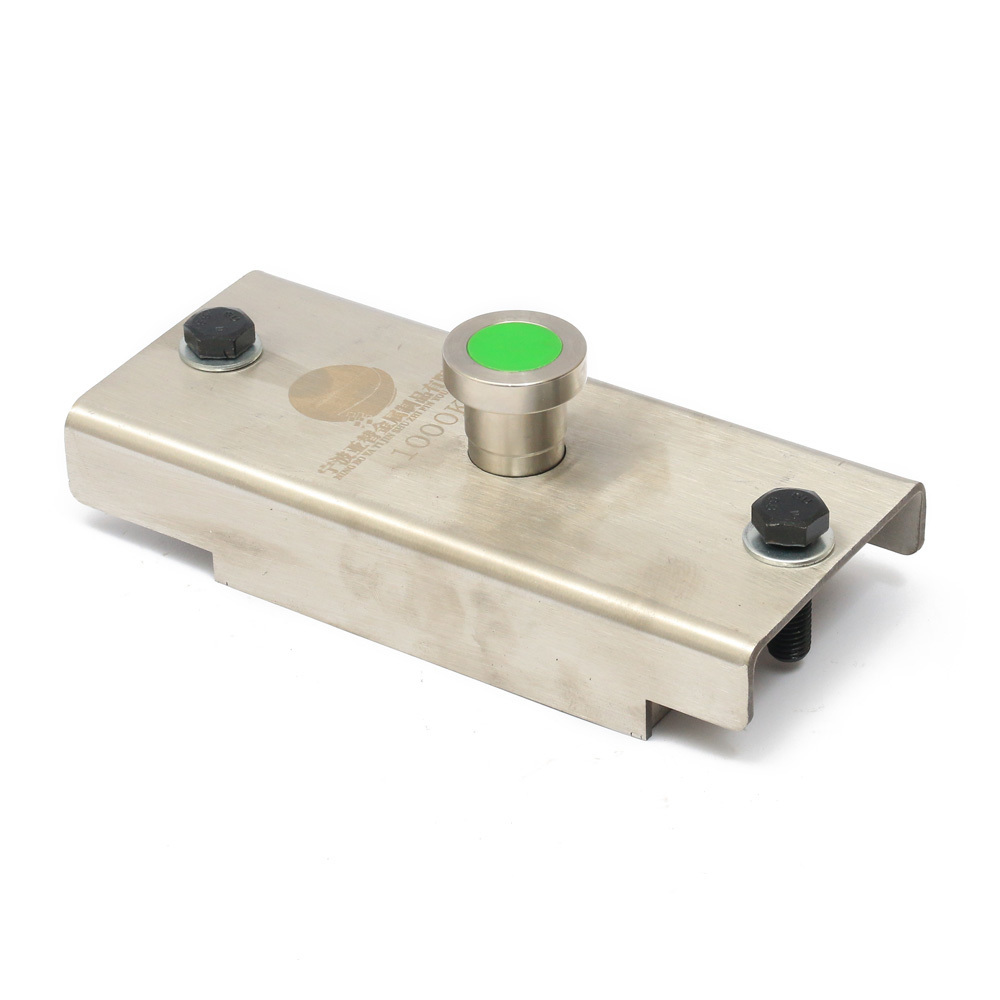
I. Magnetic Force Determines Formwork Fixing Stability
The main function of the Precast Formwork Magnet is to firmly fix the steel formwork to the production platform, preventing the formwork from moving during concrete pouring. If the magnetic force is insufficient, the formwork may shift under the lateral pressure of concrete, the force of vibrating equipment, or external impacts during production, leading to increased dimensional errors in precast components and even affecting the final product quality.
Especially in the production of large precast concrete components such as wall panels, stairs, beams, and columns, where the formwork area is large and the pressure is higher, it is necessary to select a formwork magnetic box with sufficient magnetic force to ensure stability throughout the production process.
II. Magnetic Force Requires Appropriate Selection Based on Application Scenarios
Higher magnetic force is not always better. Different precast concrete production scenarios have different magnetic force requirements for Precast Formwork Magnets. If the magnetic force is too weak, it will not meet the requirements for formwork fixation; if the magnetic force is too strong, it may increase the difficulty of demolding and increase product costs.
For example, small precast components or lightweight formwork typically only require magnetic boxes with medium magnetic force, while large concrete component production lines require products with higher magnetic force levels to ensure the stability of the formwork during vibration molding. Therefore, purchasing companies need to select appropriate specifications based on the formwork size, weight, concrete pressure, and production process.
III. Magnet Material Affects Magnetic Stability
The magnetic performance of Precast Formwork Magnets depends not only on design parameters but also on the internal magnetic materials. Currently, high-quality magnetic boxes on the market typically use high-performance permanent magnet materials and improve adsorption capacity through reasonable magnetic circuit design.
High-quality magnetic boxes can maintain stable magnetic force during long-term use, reducing magnetic performance decay caused by temperature changes, mechanical shock, or long-term use. Meanwhile, the outer shell structure design also affects magnetic force transmission efficiency; a good protective structure can prevent damage to the magnets.
IV. Stable Magnetic Force Helps Improve Production Efficiency
On automated precast concrete production lines, Precast Formwork Magnets require frequent installation, positioning, and disassembly. Stable magnetic force and easy operation can reduce manual adjustment time and improve formwork installation efficiency.
Furthermore, reliable magnetic force control can reduce rework caused by formwork movement, resulting in more accurate precast component dimensions and helping manufacturers improve overall production efficiency and product consistency.
V. Focus on Actual Test Data During Procurement
For companies purchasing Precast Formwork Magnets in bulk, it's not enough to just focus on the product's nominal magnetic force; they also need to understand whether the supplier provides actual test data. For example, maximum adsorption force tests, durability tests, and long-term performance verification.
Choosing a supplier with production experience and quality control capabilities ensures the magnetic box maintains stable performance under different production environments, reducing later maintenance and replacement costs.

The strength of the Precast Formwork Magnet's magnetic force directly affects the formwork fixing effect, production stability, and the quality of precast components. However, in practical applications, the appropriate magnetic strength level should be selected based on specific production needs, rather than simply pursuing greater adsorption force. Only through proper selection, high-quality materials, and reliable supplier support can the value of template magnetic boxes in precast concrete production be fully realized.
MORE

18 Jan,2025
Magnetic Box Maintenance Notice Manual

13 Oct,2026
Magnetic Shuttering: Enhancing Efficiency in Electrical Applications

Ningbo Yati Metal Products Co., Ltd.
No. 55, Meiliangqiao Village, Hengjie Town, Haishu District, Ningbo City, Zhejiang Province