Durability Analysis of Precast Shuttering Magnets
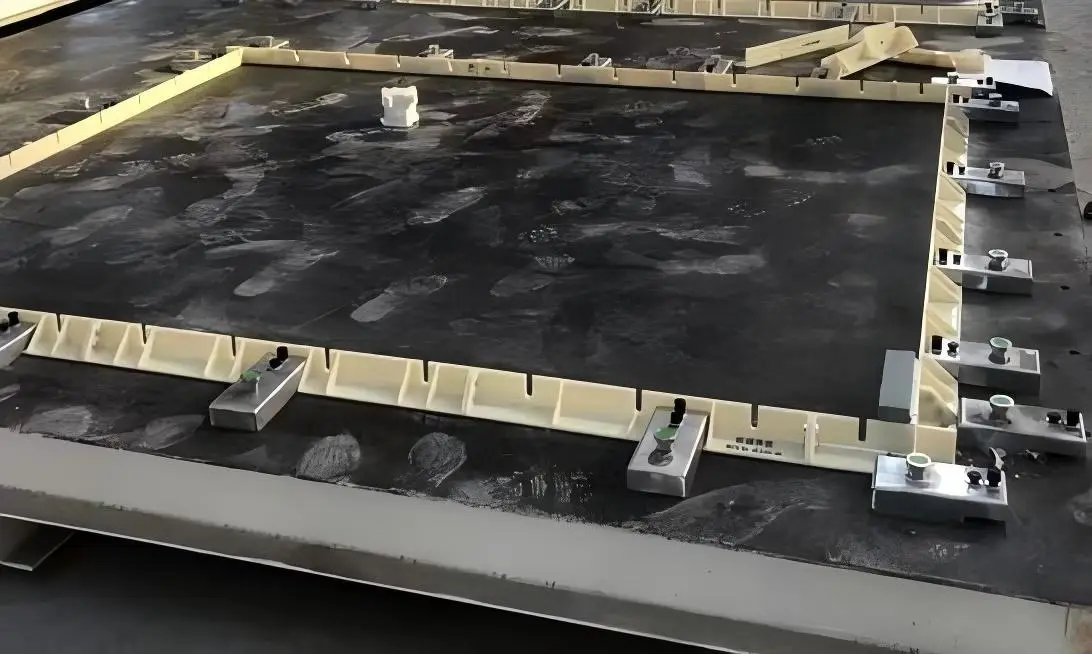
In the production of precast concrete components, precast shuttering magnets are widely utilized in various steel formwork systems due to their characteristics of efficient fastening and rapid assembly/disassembly. Their durability, in particular, directly impacts production efficiency, maintenance costs, and the overall service life of the formwork system.
In the production of precast concrete components, precast shuttering magnets are widely utilized in various steel formwork systems due to their characteristics of efficient fastening and rapid assembly/disassembly. Their durability, in particular, directly impacts production efficiency, maintenance costs, and the overall service life of the formwork system.

Structurally, a precast shuttering magnet typically consists of a high-strength steel casing and internal high-performance Neodymium-Iron-Boron (NdFeB) magnets. The steel casing serves a protective and guiding function, concentrating the magnetic force onto the bottom contact surface while shielding the internal magnets from damage caused by external mechanical impacts. High-quality magnets possess strong resistance to demagnetization; even under conditions of prolonged, high-frequency usage, the rate of magnetic decay remains relatively slow.
In actual production environments, durability is primarily manifested in three aspects: First, impact resistance. Precast factories typically involve hoisting operations, vibration, and frequent assembly/disassembly procedures; high-quality precast shuttering magnets are capable of maintaining structural stability through repeated mechanical impacts without succumbing to internal loosening or magnet displacement. Second, contamination resistance. Concrete slurry, cement dust, and similar contaminants can easily infiltrate the crevices of the device; superior designs incorporate sealed structures to effectively prevent internal contamination from compromising magnetic performance. Third, corrosion resistance. Through surface treatments such as galvanization or protective coating, the onset of rust can be effectively delayed, thereby extending the product's service life in humid environments.
Factors influencing the product's lifespan also include usage methods and maintenance practices. For instance, attaching the magnet box directly to a formwork surface without first clearing away debris or impurities can accelerate wear on the contact surface; similarly, frequently using forceful blows to disengage the magnet can inflict structural damage on the internal components. Consequently, adherence to proper operating procedures and the implementation of regular cleaning and maintenance are equally critical.
Overall, the service life of high-quality precast shuttering magnets typically spans several years—or even longer—and, under reasonable operating conditions, can effectively meet the demands of multiple production cycles. Compared to traditional bolt-fastening methods, these magnets not only minimize mechanical wear but also significantly reduce the frequency of replacements and associated maintenance costs.

Therefore, when selecting precast shuttering magnets, one should not focus solely on magnetic strength; rather, a comprehensive assessment of the structural design, material quality, manufacturing processes, and protective features is essential. Products exhibiting superior durability will ultimately demonstrate greater stability and deliver higher economic value within the context of long-term industrial production.
MORE
18 Jan,2025
Magnetic Box Maintenance Notice Manual

13 Oct,2026
Magnetic Shuttering: Enhancing Efficiency in Electrical Applications

Ningbo Yati Metal Products Co., Ltd.
No. 55, Meiliangqiao Village, Hengjie Town, Haishu District, Ningbo City, Zhejiang Province