Formwork magnets for prefabrication: maintenance tips to extend their service life
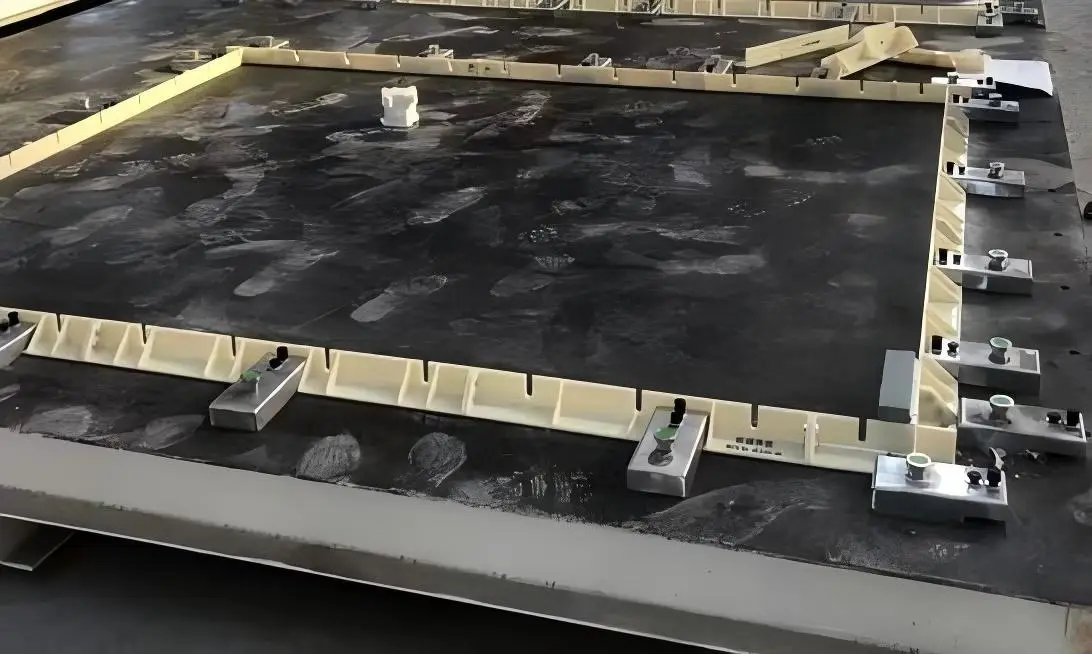
Formwork magnets for prefabrication are commonly used accessories in prefabricated building construction. With their advantages of firm fixation and convenient disassembly and assembly, they greatly enhance the construction efficiency of prefabricated components. However, magnets are precision magnetic attraction accessories, and if used in a damp, dusty, and high-collision environment on the construction site for a long time, and if not properly maintained, they are prone to issues such as decreased suction force, damaged casing, and demagnetization failure. Proper daily maintenance can effectively extend the service life of the equipment and reduce engineering material costs.
Formwork magnets for prefabrication are commonly used accessories in prefabricated building construction. With their advantages of firm fixation and convenient disassembly and assembly, they greatly enhance the construction efficiency of prefabricated components. However, magnets are precision magnetic attraction accessories, and if used in a damp, dusty, and high-collision environment on the construction site for a long time, and if not properly maintained, they are prone to issues such as decreased suction force, damaged casing, and demagnetization failure. Proper daily maintenance can effectively extend the service life of the equipment and reduce engineering material costs.

Daily protection is the core of maintenance. During construction, violent knocking or smashing of formwork magnets is strictly prohibited. High-intensity impacts can damage the internal magnetic core structure, causing irreversible magnetic decay. When fixing and dismantling, handle with care to avoid violent collisions between magnets and steel bars, formwork, or hard objects. Additionally, avoid prolonged exposure to high temperatures and direct sunlight, as high temperatures are the main reason for rapid demagnetization of magnets. During construction, it is necessary to stay away from welding and high-temperature pouring areas.
Timely cleaning and rust removal can prevent equipment wear and tear. Cement paste, dust, and rust on the surface of formwork magnets for precast can block the magnetic contact surface and reduce the fixing strength. After each use, it is necessary to promptly clean the surface of concrete residue and dust, and wipe it clean with a dry cloth. If there is slight rust on the surface, it should be removed and cured in time to prevent the rust layer from spreading and corroding the shell, which will affect the magnetic performance and structural stability.
Standardized storage is key to extending the lifespan. Idle formwork magnets for precast should be stored centrally in a dry, ventilated, and level indoor environment. Open storage and exposure to rain and moisture are prohibited. Damp environments can lead to rusting of components and a decrease in magnetic strength. Additionally, they should be neatly arranged by category to avoid cluttered stacking and compression, which can prevent magnets from attracting and colliding with each other, causing damage to the casing and magnetic core.

Regular inspection and maintenance are also essential. During daily inventory checks, inspect the formwork magnets for precast shells for any damage and weakened suction force, promptly screening out any ineffective or damaged products to avoid construction quality being compromised due to faulty materials. Scientific maintenance can significantly reduce the attrition rate, ensuring the formwork magnets maintain stable performance over the long term.
MORE
18 Jan,2025
Magnetic Box Maintenance Notice Manual

13 Oct,2026
Magnetic Shuttering: Enhancing Efficiency in Electrical Applications

Ningbo Yati Metal Products Co., Ltd.
No. 55, Meiliangqiao Village, Hengjie Town, Haishu District, Ningbo City, Zhejiang Province