How Precast Concrete Magnets Adapt to Different Mold Systems
As the precast concrete industry moves towards higher efficiency, standardization, and automation, more and more companies are adopting Precast Concrete Magnets to replace traditional bolts, welding, and other fixing methods. Since different precast component projects use different mold systems, adapting Precast Concrete Magnets to various mold structures has become a crucial issue for manufacturers.
As the precast concrete industry moves towards higher efficiency, standardization, and automation, more and more companies are adopting Precast Concrete Magnets to replace traditional bolts, welding, and other fixing methods. Since different precast component projects use different mold systems, adapting Precast Concrete Magnets to various mold structures has become a crucial issue for manufacturers.
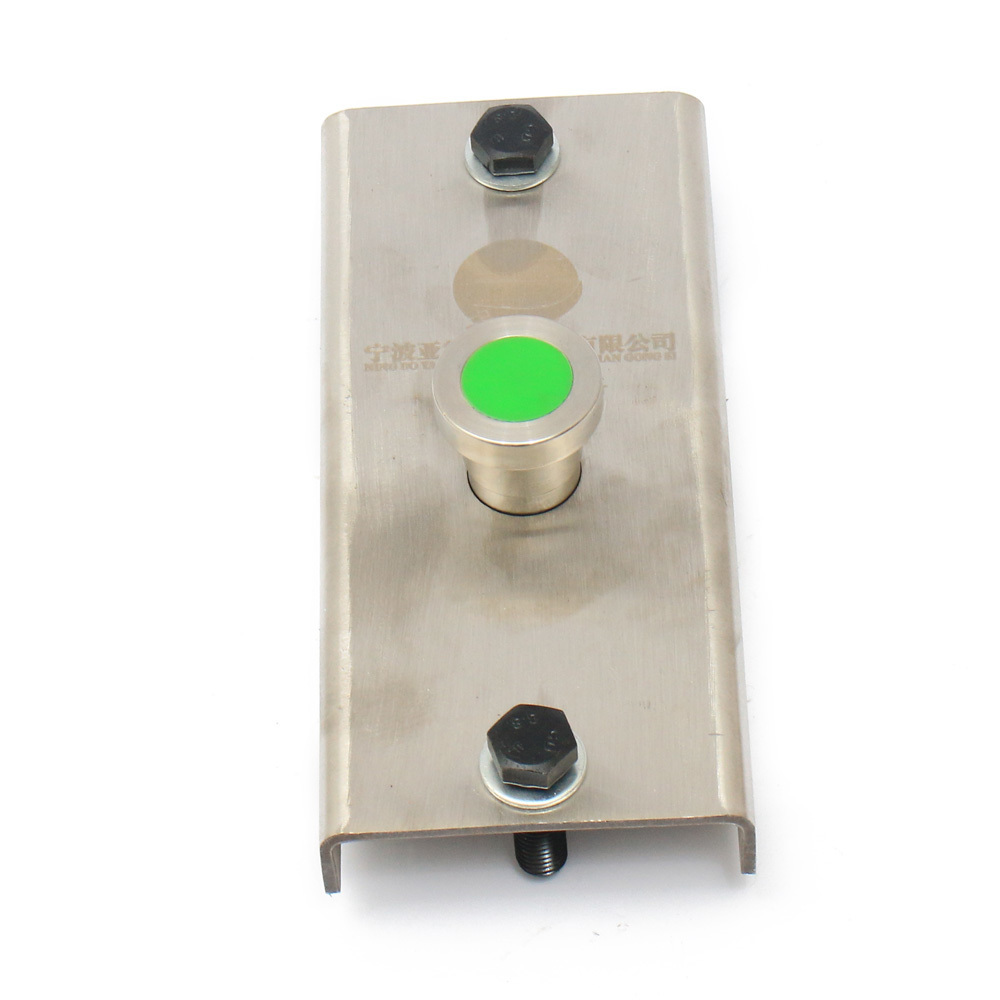
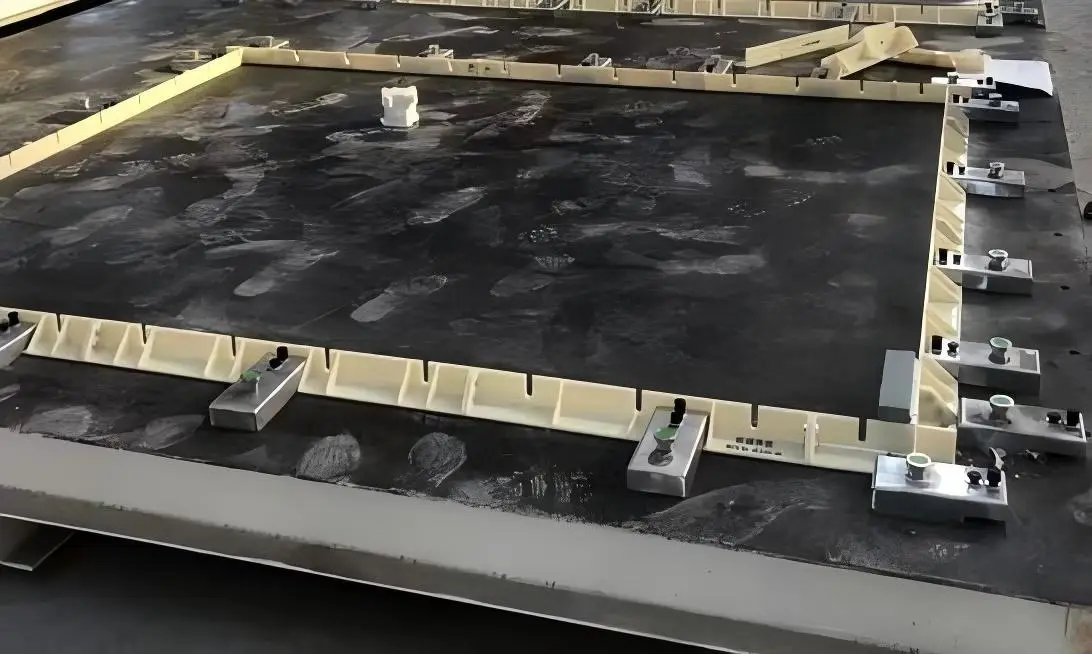
Precast Concrete Magnets primarily use strong magnetic attraction to fix side molds, templates, or auxiliary components to a steel mold platform, achieving rapid positioning and stable installation. Compared to traditional fixing methods, the magnet system eliminates the need for drilling or complex connection operations and can be flexibly adjusted according to production needs. Therefore, it is suitable for various types of precast concrete mold systems, including wall panel molds, beam and column molds, floor slab molds, and irregularly shaped component molds.
Firstly, Precast Concrete Magnets are designed in different specifications to meet the size requirements of different molds. Different precast components have different weights, dimensions, and concrete pouring pressures, thus requiring the selection of products with appropriate magnetic strength levels. For the production of large wall panels or high-strength components, high-magnetic-force models are required to ensure mold stability during casting and vibration. For smaller components, lighter-weight magnets can be chosen to improve installation flexibility.
Secondly, the magnet's structural design determines its adaptability to different mold systems. Currently, Precast Concrete Magnets on the market are typically equipped with a switch control structure, allowing operators to quickly turn the magnets on or off, enabling rapid mold installation and removal. This design not only improves production efficiency but also reduces mold adjustment time, making it particularly suitable for precast component production environments that require frequent mold layout changes.
Furthermore, Precast Concrete Magnets can adapt to molds of different materials and structures. Whether it's steel templates, modular molds, or modular molds on automated production lines, as long as the working surface has good magnetic attraction, the magnet system can achieve stable fixation. Additionally, by adding auxiliary positioning devices, installation accuracy in complex mold systems can be further improved.
To ensure long-term performance, companies also need to pay attention to the durability and maintenance requirements of the magnets. In actual production, concrete residue, dust, and mechanical impacts can affect magnet performance. Therefore, high-quality Precast Concrete Magnets typically employ wear-resistant shells, rust-proofing, and high-performance magnetic materials to enhance stability in harsh construction environments.
For precast concrete manufacturers, selecting a Precast Concrete Magnets supplier requires attention not only to magnetic parameters but also to the supplier's ability to provide customized services for different specifications, including dimensional design, magnetic adjustment, and application support. Professional manufacturers can recommend more suitable magnet solutions based on the customer's mold type and production process.
In summary, Precast Concrete Magnets, with their flexible installation, efficient fixing, and adjustable design, effectively adapt to different types of mold systems. By rationally selecting magnetic specifications, optimizing installation methods, and combining them with actual production needs, companies can improve the production efficiency of precast components, reduce mold adjustment costs, and achieve more intelligent and efficient precast concrete production.
MORE
18 Jan,2025
Magnetic Box Maintenance Notice Manual

13 Oct,2026
Magnetic Shuttering: Enhancing Efficiency in Electrical Applications

Ningbo Yati Metal Products Co., Ltd.
No. 55, Meiliangqiao Village, Hengjie Town, Haishu District, Ningbo City, Zhejiang Province