How Precast Shuttering Magnets Enhance Precast Component Production Efficiency
With the advancement of construction industrialization and prefabricated building methods, the production efficiency of precast concrete components has become a crucial factor for companies seeking to boost their competitiveness. In traditional production processes, securing formwork typically relied on bolts, welding, or mechanical clamps—methods that involved complex installation steps and significant labor time. Thanks to their rapid installation, flexible adjustment capabilities, and high stability, precast shuttering magnets have emerged as vital tools in modern precast production, effectively helping manufacturers increase efficiency.
With the advancement of construction industrialization and prefabricated building methods, the production efficiency of precast concrete components has become a crucial factor for companies seeking to boost their competitiveness. In traditional production processes, securing formwork typically relied on bolts, welding, or mechanical clamps—methods that involved complex installation steps and significant labor time. Thanks to their rapid installation, flexible adjustment capabilities, and high stability, precast shuttering magnets have emerged as vital tools in modern precast production, effectively helping manufacturers increase efficiency.

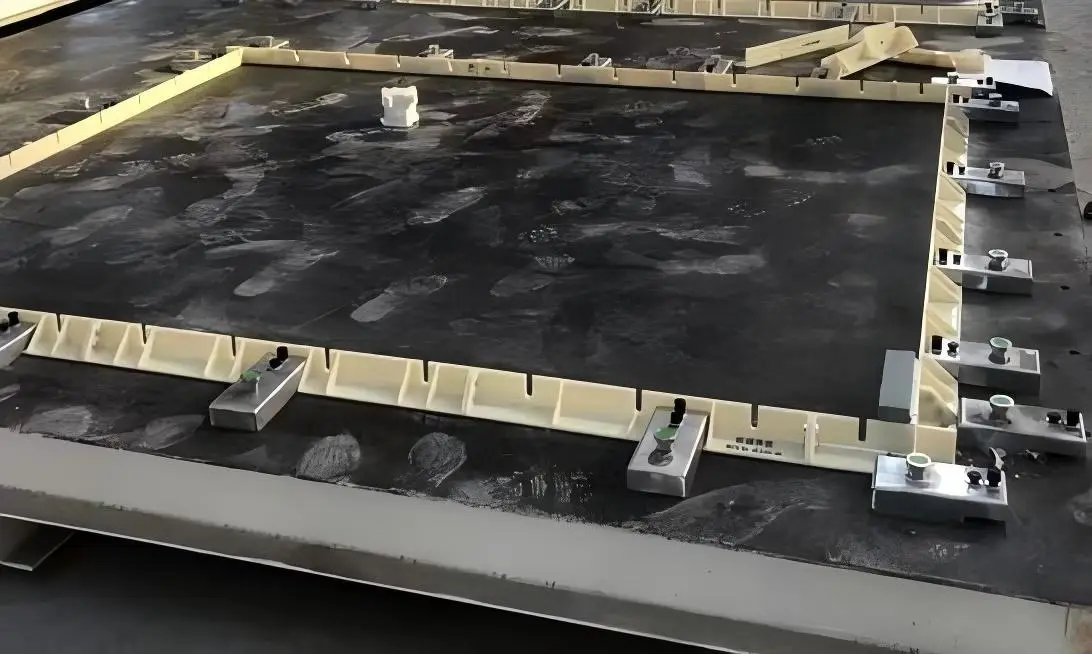
Formwork installation is a critical stage that influences the production cycle of precast concrete. While traditional fixing methods require multiple steps—such as positioning, drilling, and fastening—precast shuttering magnets utilize powerful magnetic adhesion to quickly secure side formwork to steel production platforms.
Workers simply need to place the magnetic box in the designated location and engage the magnetic switch to secure the formwork, drastically reducing installation and dismantling times. For precast factories that frequently need to change mold sizes, this rapid adjustment method enhances production line turnover efficiency and shortens product production cycles.
Precast components demand high dimensional accuracy; any shift in formwork positioning can lead to dimensional errors in the concrete component, potentially complicating subsequent installation. Therefore, a stable and reliable method for securing formwork is essential.
Precast shuttering magnets provide consistent, stable magnetic force, keeping the formwork securely in place during concrete pouring and vibration, thereby minimizing dimensional deviations caused by formwork movement. Furthermore, high-precision positioning helps reduce rework rates and improves overall production quality.
While traditional formwork fixing methods often require a team for installation, magnetic box systems simplify the workflow and reduce reliance on a large workforce.
In large-scale precast production environments, the use of precast shuttering magnets allows workers to complete formwork layout tasks more quickly, freeing up time for other stages of production. Additionally, the magnets are easy to remove without the need for extra tools, which helps reduce physical strain and boosts operational efficiency.
Different types of precast components—such as wall panels, staircases, beams, columns, and concrete slabs—have varying requirements regarding formwork dimensions and layout. Precast shuttering magnets offer great flexibility, allowing installation positions to be adjusted according to specific production needs. Compared to fixed formwork systems, shuttering magnets eliminate the need to modify the production platform structure, making them ideal for producing components in various specifications, small batches, and custom designs. This flexibility aligns perfectly with the agile manufacturing models employed by modern precast factories.
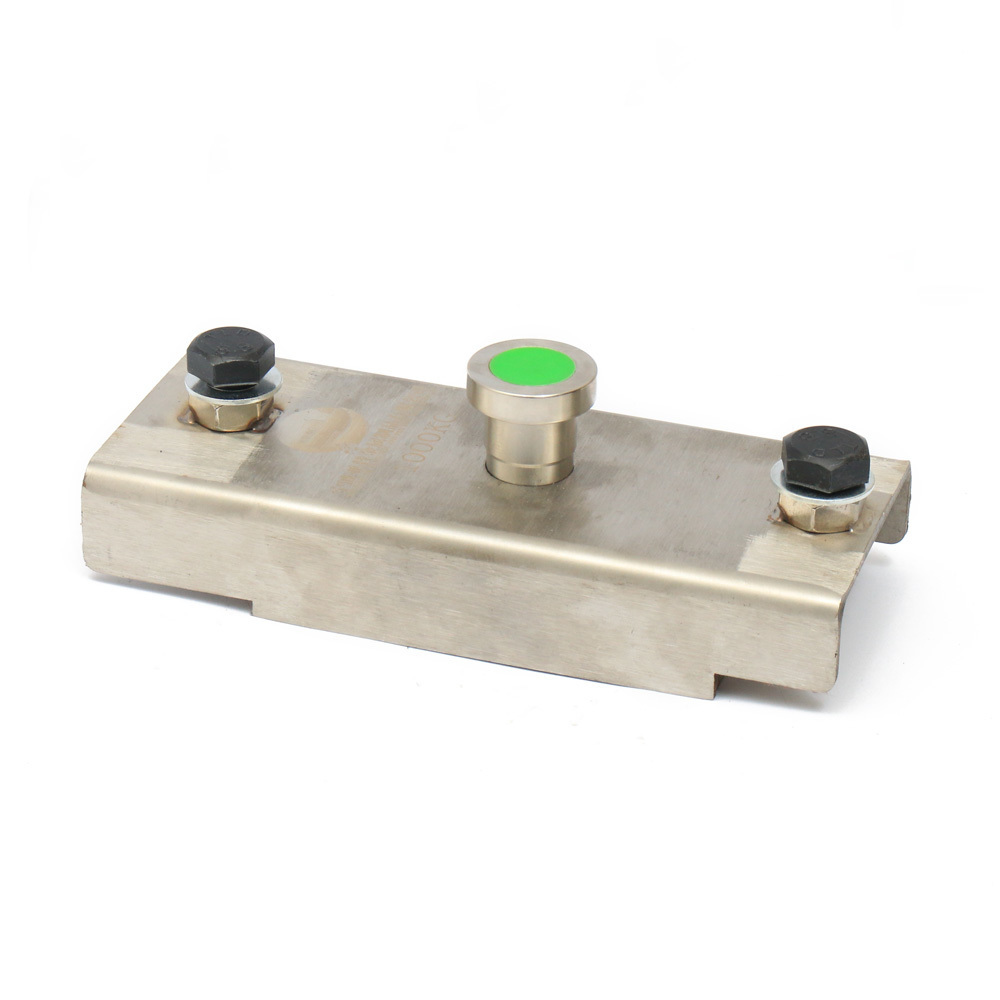
As the precast construction industry moves toward automation, the efficiency of coordination between production equipment has become increasingly critical. High-performance shuttering magnets can be integrated with automated formwork systems to achieve faster and more precise formwork positioning.
On intelligent production lines, the robust holding power of shuttering magnets minimizes the need for manual intervention and ensures continuous production flow, providing reliable support for automated precast manufacturing.
Compared to mechanical fastening methods, shuttering magnets feature a simpler design—free from complex transmission components—resulting in lower routine maintenance costs. High-quality magnets typically utilize wear-resistant casings and high-performance magnetic materials, ensuring stable performance over long-term use.
Proper usage and regular inspections of the magnets can effectively extend their service life and reduce production downtime caused by equipment failure.
Shuttering magnets effectively boost precast component production efficiency by shortening formwork installation times, improving positioning accuracy, lowering labor costs, enhancing production flexibility, and supporting automated manufacturing. For precast concrete manufacturers aiming for high output and consistent quality, selecting reliable shuttering magnets not only optimizes production workflows but also reduces long-term operating costs, thereby strengthening the company's competitive edge in the prefabricated construction market.
MORE
18 Jan,2025
Magnetic Box Maintenance Notice Manual

13 Oct,2026
Magnetic Shuttering: Enhancing Efficiency in Electrical Applications

Ningbo Yati Metal Products Co., Ltd.
No. 55, Meiliangqiao Village, Hengjie Town, Haishu District, Ningbo City, Zhejiang Province