How Precast Slab Magnets Minimize Mold Displacement Issues
Against the backdrop of the rapid development of prefabricated construction, the production of precast components faces increasingly stringent demands for precision and efficiency. In the context of precast slab production, the stability of mold fixation directly impacts component dimensions, edge flatness, and overall production quality. If a mold shifts during the concrete pouring or vibration process, it not only risks causing dimensional errors but may also lead to increased rework rates and material waste. Consequently, an increasing number of precast factories are adopting Precast Slab Magnets to enhance the effectiveness of their mold fixation.
Against the backdrop of the rapid development of prefabricated construction, the production of precast components faces increasingly stringent demands for precision and efficiency. In the context of precast slab production, the stability of mold fixation directly impacts component dimensions, edge flatness, and overall production quality. If a mold shifts during the concrete pouring or vibration process, it not only risks causing dimensional errors but may also lead to increased rework rates and material waste. Consequently, an increasing number of precast factories are adopting Precast Slab Magnets to enhance the effectiveness of their mold fixation.
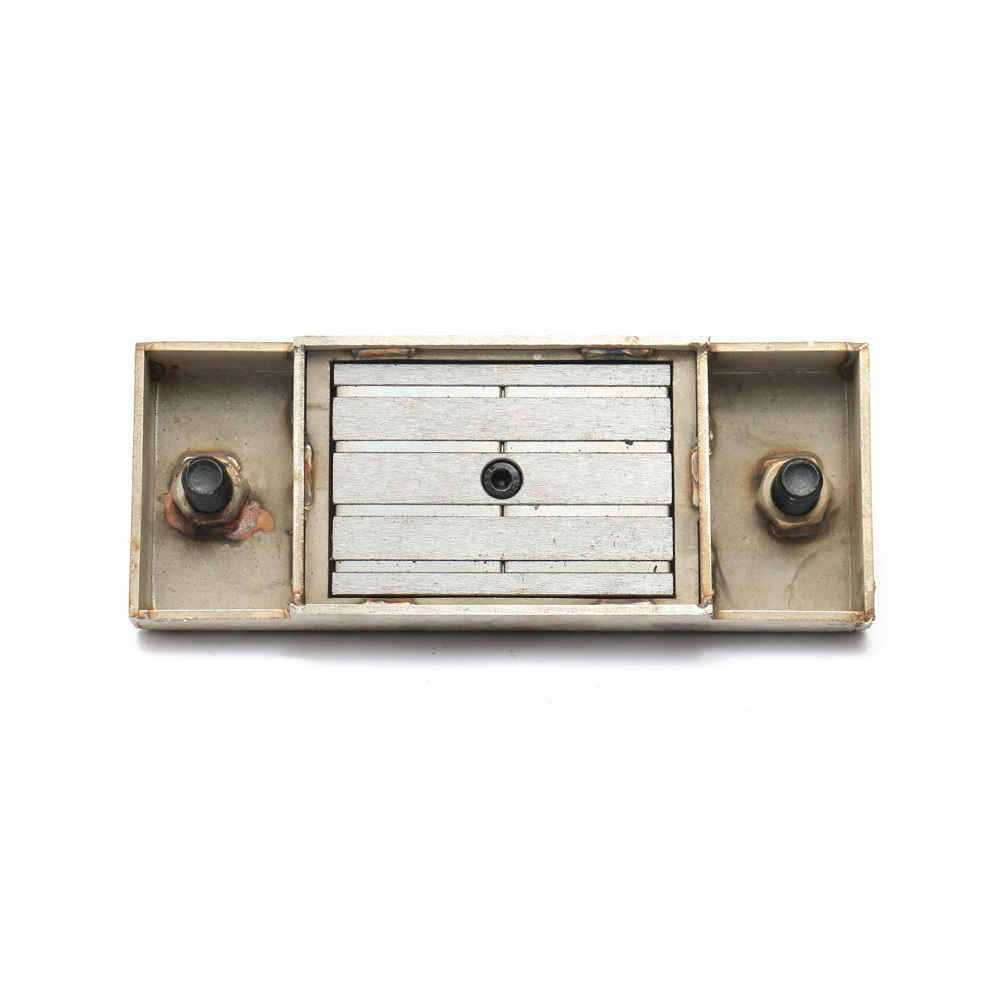
Traditional mold fixation methods typically rely on bolts, welding, or mechanical clamps; these methods are not only cumbersome to install and dismantle but are also prone to loosening in high-frequency vibration environments. This is particularly problematic during the production of large-scale precast slabs, where the impact forces generated by concrete vibration are substantial; if the mold is not securely anchored, it can easily shift, thereby compromising the dimensional accuracy of the finished component.
Precast Slab Magnets utilize the principle of strong magnetic attraction to firmly anchor the mold to a steel worktable. Compared to traditional mechanical fixation methods, these magnets provide a far more stable clamping force, effectively mitigating displacement issues caused by vibration. Even within a continuous production environment, they maintain the mold's position with unwavering stability, thereby ensuring greater dimensional consistency across precast components.
Beyond providing stable fixation, Precast Slab Magnets also significantly boost installation efficiency. Workers need only place the magnetic box at the designated location to secure the mold, eliminating the need for complex welding or drilling operations. This not only reduces manual installation time but also minimizes potential damage to the worktable surface. For production lines requiring frequent mold changes, this magnetic fixation method offers a tangible improvement in overall production efficiency.
In modern, automated precast factories, Precast Slab Magnets also empower enterprises to implement more flexible production layouts. Thanks to their rapid installation and removal capabilities, factories can quickly adjust mold positions to accommodate components of varying dimensions, thereby maximizing equipment utilization. Furthermore, the magnets' stable fixation prevents quality issues stemming from mold displacement, ultimately reducing the costs associated with post-production finishing and rework.
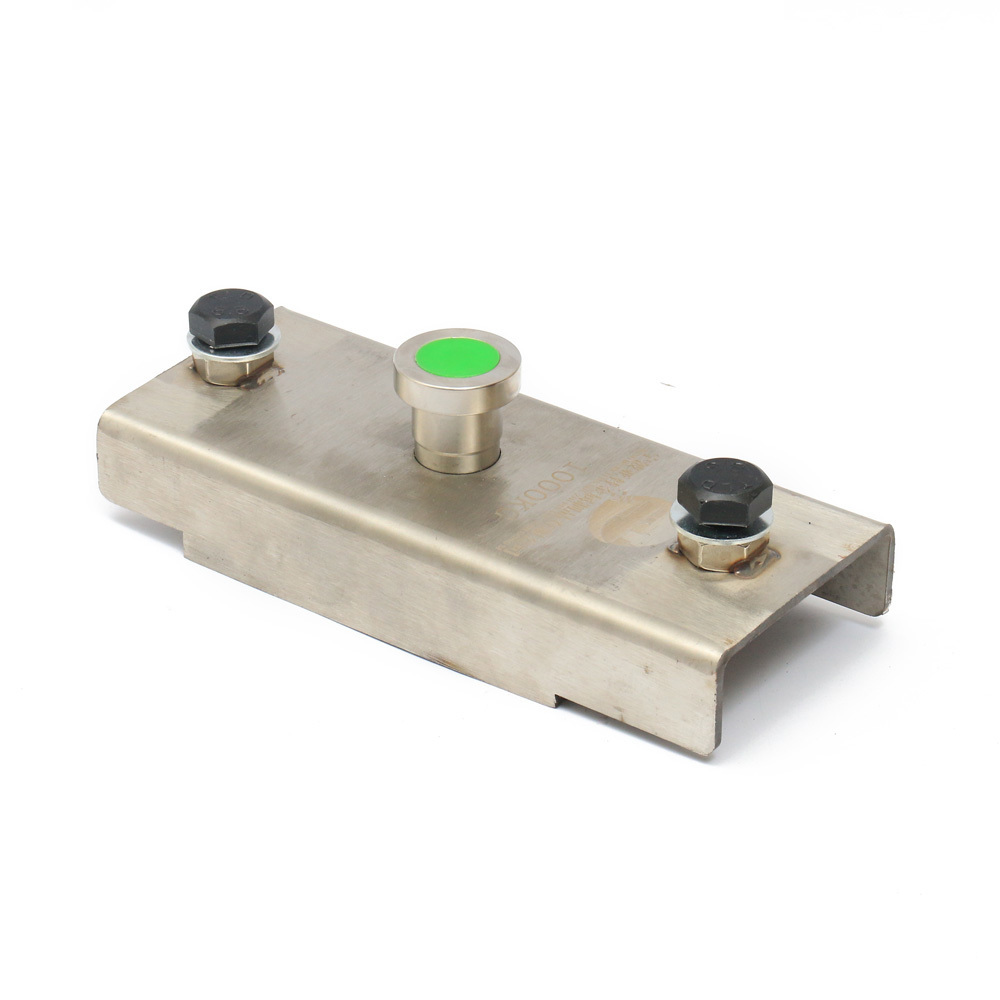
As the prefabricated construction industry continues to evolve, the production of precast components is undergoing a transformation toward higher levels of efficiency and precision. With their distinct advantages—including stable magnetic adhesion, rapid installation, and the effective prevention of mold displacement—Precast Slab Magnets have emerged as an indispensable auxiliary tool for numerous precast manufacturing facilities. For enterprises striving for stable production and high-quality components, the judicious use of Precast Slab Magnets not only enhances production efficiency but also contributes to improving overall product quality and market competitiveness.
MORE
18 Jan,2025
Magnetic Box Maintenance Notice Manual

13 Oct,2026
Magnetic Shuttering: Enhancing Efficiency in Electrical Applications

Ningbo Yati Metal Products Co., Ltd.
No. 55, Meiliangqiao Village, Hengjie Town, Haishu District, Ningbo City, Zhejiang Province