How Precast Slab Magnets Solve the Problem of Formwork Slippage
In the production of prefabricated buildings, the stability of the formwork directly impacts the dimensional accuracy and molding quality of the precast components. Among the various challenges encountered, formwork slippage is a relatively common yet highly significant production issue; once it occurs, it not only results in dimensional deviations in the components but may also necessitate rework or even lead to material waste. The application of precast slab magnets offers an efficient and stable solution to this problem.
In the production of prefabricated buildings, the stability of the formwork directly impacts the dimensional accuracy and molding quality of the precast components. Among the various challenges encountered, formwork slippage is a relatively common yet highly significant production issue; once it occurs, it not only results in dimensional deviations in the components but may also necessitate rework or even lead to material waste. The application of precast slab magnets offers an efficient and stable solution to this problem.
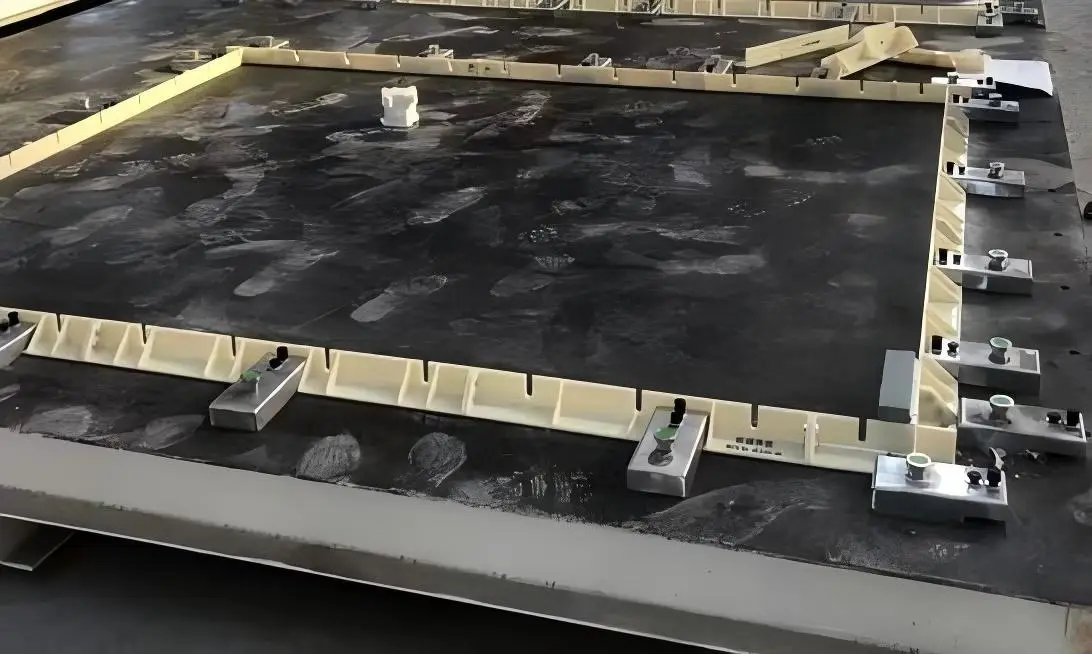
A precast slab magnet is a device that utilizes high-strength magnetic force to secure formwork; it is typically embedded within or used in conjunction with steel molding tables. When the magnetic box is activated, its internal magnetic system generates a powerful suction force that firmly anchors the side forms or stop-ends to the surface of the molding table, thereby effectively preventing any displacement or slippage during the concrete pouring and vibration processes.
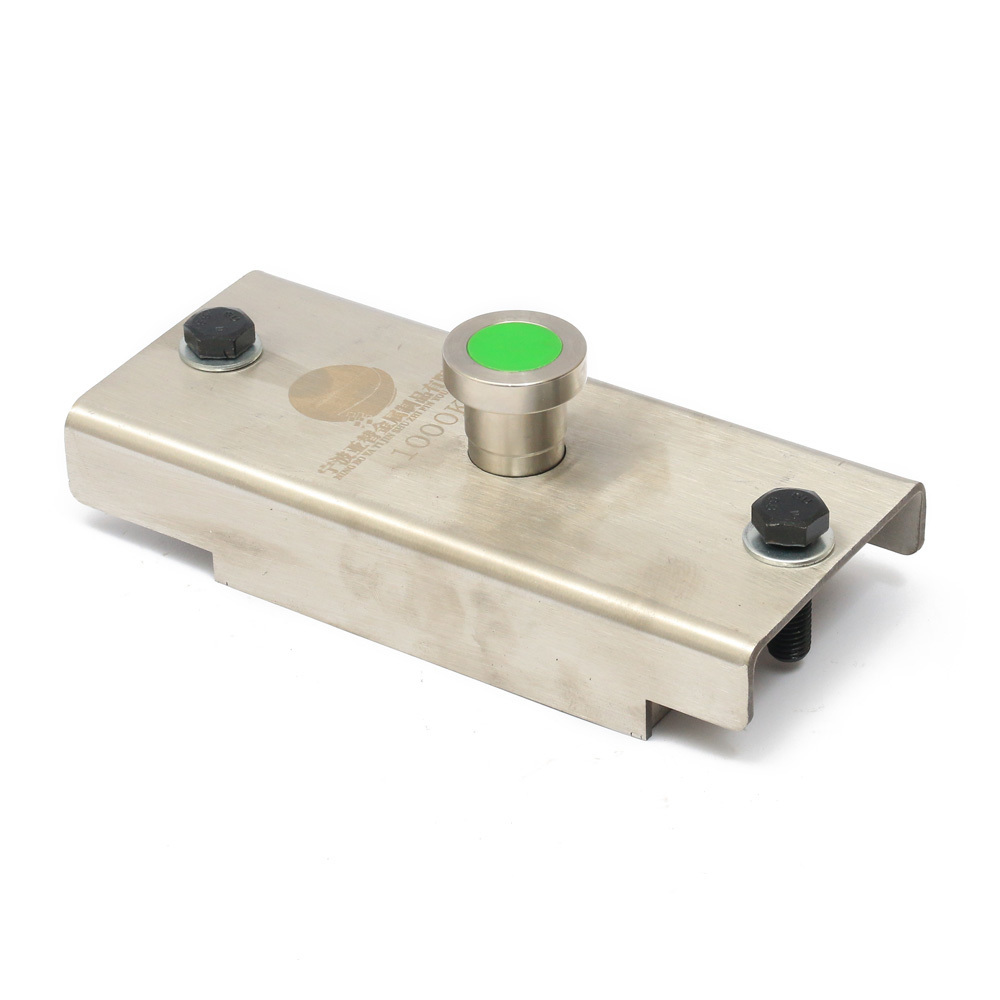
Compared to traditional methods such as bolt fastening or welding, magnetic box fixation offers distinct advantages. First, installation and removal are remarkably fast; the formwork can be secured or released simply by operating a switch, significantly reducing manual labor time and accelerating the production cycle. Second, the magnetic force is distributed uniformly across the contact surface, thereby preventing formwork deformation or loosening caused by uneven localized stress, which fundamentally enhances overall stability.
In actual production environments, precast slab magnets also effectively accommodate the need for rapid switching between formwork of different specifications. Since prefabricated construction often requires frequent adjustments to mold dimensions—a process where traditional fixation methods lack flexibility—the magnetic box system allows for rapid reconfiguration without the need for complex tools, thereby greatly enhancing the flexibility and efficiency of the production line. Furthermore, their high reusability and low maintenance requirements align perfectly with the modern factory's imperative to reduce costs and boost efficiency.
Additionally, during the concrete vibration and molding process, intense vibrations can easily induce minute displacements in the formwork; however, the continuous magnetic suction of the magnetic boxes effectively withstands these external dynamic forces. This ensures that the edges of the precast components remain precise and their surfaces remain flat, thereby elevating the overall quality of the finished product.

By providing an efficient, stable, and reusable method of magnetic fixation, precast slab magnets have effectively resolved the critical issue of formwork slippage. They have become an indispensable tool within prefabricated construction production lines, playing an increasingly vital role in enhancing both precision and efficiency.
MORE
18 Jan,2025
Magnetic Box Maintenance Notice Manual

13 Oct,2026
Magnetic Shuttering: Enhancing Efficiency in Electrical Applications

Ningbo Yati Metal Products Co., Ltd.
No. 55, Meiliangqiao Village, Hengjie Town, Haishu District, Ningbo City, Zhejiang Province