How to Assess the Production Capabilities of Precast Slab Magnet Manufacturers
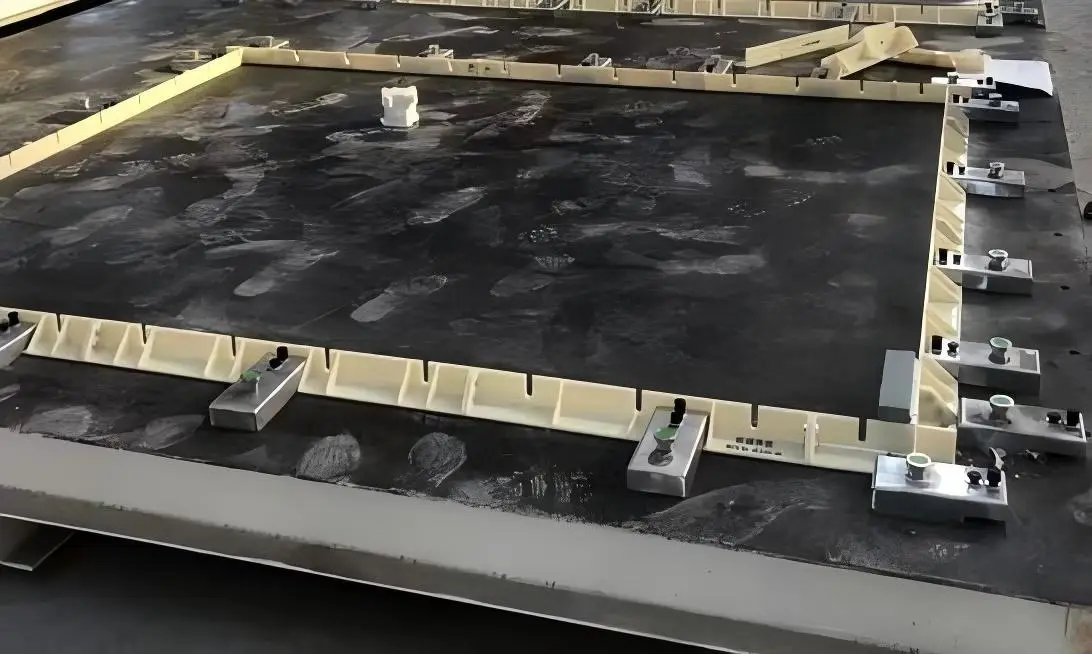
In the precast concrete industry, precast slab magnets are primarily used to secure formwork, improve mold installation efficiency, and reduce the operational costs associated with traditional bolting methods. Because these products must withstand the vibrations and pressures of concrete pouring, as well as demanding construction environments, a manufacturer's production capabilities directly impact product quality, delivery schedules, and long-term stability. For companies making bulk purchases, selecting a manufacturer with reliable production capabilities is crucial.
In the precast concrete industry, precast slab magnets are primarily used to secure formwork, improve mold installation efficiency, and reduce the operational costs associated with traditional bolting methods. Because these products must withstand the vibrations and pressures of concrete pouring, as well as demanding construction environments, a manufacturer's production capabilities directly impact product quality, delivery schedules, and long-term stability. For companies making bulk purchases, selecting a manufacturer with reliable production capabilities is crucial.

To assess a manufacturer's capabilities, one must first examine their production equipment and manufacturing processes. Top-tier manufacturers typically possess comprehensive processing equipment, including machinery for processing magnetic cores, forming metal housings, welding, and surface treatment.
Precast slab magnets generally consist of high-strength magnets, steel housings, and control mechanisms; the machining precision of each component affects the final magnetic holding force. Whether a manufacturer possesses in-house processing capabilities and can control critical production stages are key indicators of their manufacturing strength.
A robust quality inspection system is another vital benchmark for assessing production capabilities. During production, precast slab magnets must undergo various checks, including magnetic force testing, dimensional verification, visual inspection, and durability testing.
Professional manufacturers usually conduct performance tests on every batch to ensure magnetic force meets design specifications and to prevent issues such as magnetic decay, housing deformation, or mechanism failure. Purchasing companies can gauge the level of quality control by reviewing the manufacturer's quality management processes, inspection equipment, and product test reports.
For large-scale precast concrete enterprises, a supplier's production capacity directly affects project timelines. Therefore, when selecting a manufacturer, it is essential to understand their monthly production capacity, inventory levels, and order processing capabilities.
Manufacturers with large-scale production capabilities typically employ standardized processes, enabling them to fulfill bulk orders for various product specifications simultaneously. Furthermore, effective inventory management reduces delivery lead times and enhances supply chain stability.
Different precast slab projects may have unique requirements regarding magnet specifications, holding force, installation methods, and structural design. Consequently, a manufacturer's customization capabilities are a significant factor in evaluating their production strength.
Leading precast slab magnet manufacturers not only offer standard models but also provide structural optimization tailored to the client's mold dimensions, production processes, and application environments. For instance, the magnetic force can be adjusted based on the weight of different formworks, and installation and dismantling structures can be designed for greater convenience to meet specific engineering requirements.
Extensive industry experience reflects a manufacturer's technical expertise and production stability. Buyers can assess a manufacturer's capability to meet their needs by examining the types of clients served, past collaborative projects, and product application cases.
Manufacturers with a long history of serving the precast concrete industry typically possess a deeper understanding of formwork fixation requirements; they can offer professional product recommendations that help clients minimize operational risks.
Evaluating the production capabilities of a precast slab magnet manufacturer requires a comprehensive assessment of factors such as production equipment, quality control, production capacity, customization capabilities, and industry experience. A manufacturer with stable production capabilities not only delivers products featuring reliable magnetic force and long service lives but also ensures consistent supply and technical support.

Enterprises looking to purchase precast slab magnets in bulk should not focus solely on price; instead, they should prioritize the manufacturer's overall strength. A comprehensive evaluation of supply capabilities is essential for selecting a reliable partner, thereby enhancing precast concrete production efficiency and project construction quality.
MORE
18 Jan,2025
Magnetic Box Maintenance Notice Manual

13 Oct,2026
Magnetic Shuttering: Enhancing Efficiency in Electrical Applications

Ningbo Yati Metal Products Co., Ltd.
No. 55, Meiliangqiao Village, Hengjie Town, Haishu District, Ningbo City, Zhejiang Province