How to Reduce Wear and Tear During Precast Concrete Magnet Use
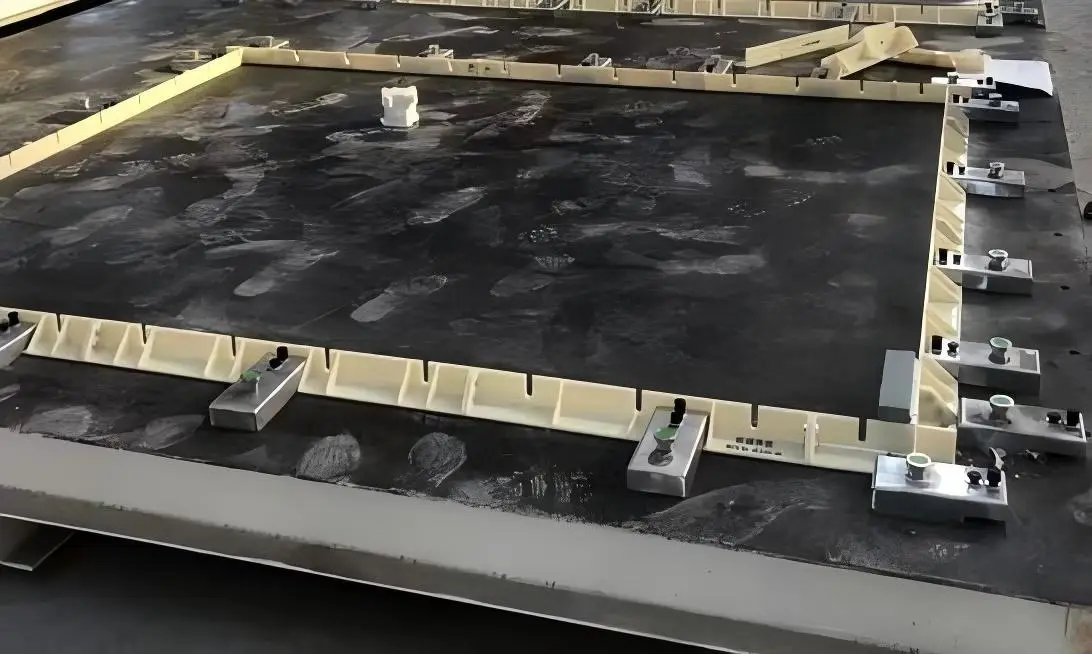
Precast Concrete Magnets are commonly used formwork fixing tools in precast concrete production. They primarily utilize strong magnetic force to fix side molds and edge molds to steel mold bases, improving mold installation efficiency and component production accuracy. Compared to traditional bolt fixing methods, Precast Concrete Magnets offer advantages such as quick installation, convenient disassembly, and reusability. However, during long-term use, improper operation or inadequate maintenance may lead to problems such as decreased magnetic force, shell damage, and button malfunction, affecting product lifespan. Therefore, taking reasonable measures to reduce Precast Concrete Magnet wear and tear is crucial for improving production efficiency and reducing costs.
Precast Concrete Magnets are commonly used formwork fixing tools in precast concrete production. They primarily utilize strong magnetic force to fix side molds and edge molds to steel mold bases, improving mold installation efficiency and component production accuracy. Compared to traditional bolt fixing methods, Precast Concrete Magnets offer advantages such as quick installation, convenient disassembly, and reusability. However, during long-term use, improper operation or inadequate maintenance may lead to problems such as decreased magnetic force, shell damage, and button malfunction, affecting product lifespan. Therefore, taking reasonable measures to reduce Precast Concrete Magnet wear and tear is crucial for improving production efficiency and reducing costs.

Proper operation is key to reducing Precast Concrete Magnet wear and tear. During use, installation and disassembly should be performed according to the product instructions, avoiding methods such as hammering or forceful prying that could damage the magnetic box structure. Some operators may use tools to directly strike the magnetic box shell for quick demolding, which can easily cause shell deformation or damage to the internal magnetic components over time. Therefore, when moving or disassembling the magnetic box, the correct release mechanism should be used to ensure that the magnetic force is released before moving.
Keeping the installation surface clean can also effectively reduce wear and tear. Precast Concrete Magnets are typically installed on steel formwork or metal template surfaces. If there are impurities such as concrete residue, dust, or oil on the contact surface, it will affect the adhesion between the magnetic box and the steel plate, reducing the actual adsorption capacity. Long-term accumulation of debris can also cause wear on the contact surface. Therefore, the bottom of the magnetic box and the surface of the formwork should be cleaned before and after each use to ensure the contact area is flat and clean.
Avoiding overloading is also an important measure to extend the life of the Precast Concrete Magnet. Different specifications of magnetic boxes have different adsorption forces and load-bearing capacities. Users should select the appropriate model based on the weight of the template, the concrete pouring pressure, and the production environment. Long-term use beyond the rated load may lead to fatigue of the magnetic system and even template displacement, affecting the quality of precast components. Therefore, during procurement and application, the magnetic box specifications need to be matched reasonably according to actual production needs.
Regular maintenance and inspection can promptly identify potential problems. Manufacturers should establish maintenance records for Precast Concrete Magnets, regularly inspecting the magnet's appearance, button mechanism, magnetic state, and fixation effectiveness. If cracks are found in the casing, the switch becomes stiff, or the adsorption capacity significantly decreases, it should be repaired or replaced promptly to prevent minor issues from escalating into equipment damage.
Furthermore, proper storage is crucial. After use, Precast Concrete Magnets should be kept away from prolonged exposure to moisture to prevent corrosion of metal parts. Simple cleaning can be performed before storage, and the magnet should be placed in a dry area, avoiding unnecessary collisions with strong magnetic objects or other equipment.

Reducing wear and tear on Precast Concrete Magnets requires attention to several aspects: standardized operation, daily cleaning, appropriate selection, regular maintenance, and proper storage. Scientific management and proper use can not only extend the lifespan of the magnet but also ensure a more stable precast concrete production process, improving overall production efficiency. For precast component manufacturers pursuing high quality and efficiency, effective Precast Concrete Magnet maintenance management is a vital cost control measure.
MORE
18 Jan,2025
Magnetic Box Maintenance Notice Manual

13 Oct,2026
Magnetic Shuttering: Enhancing Efficiency in Electrical Applications

Ningbo Yati Metal Products Co., Ltd.
No. 55, Meiliangqiao Village, Hengjie Town, Haishu District, Ningbo City, Zhejiang Province