How to choose high-quality heavy duty forecast magnets? Full analysis of magnetism and durability
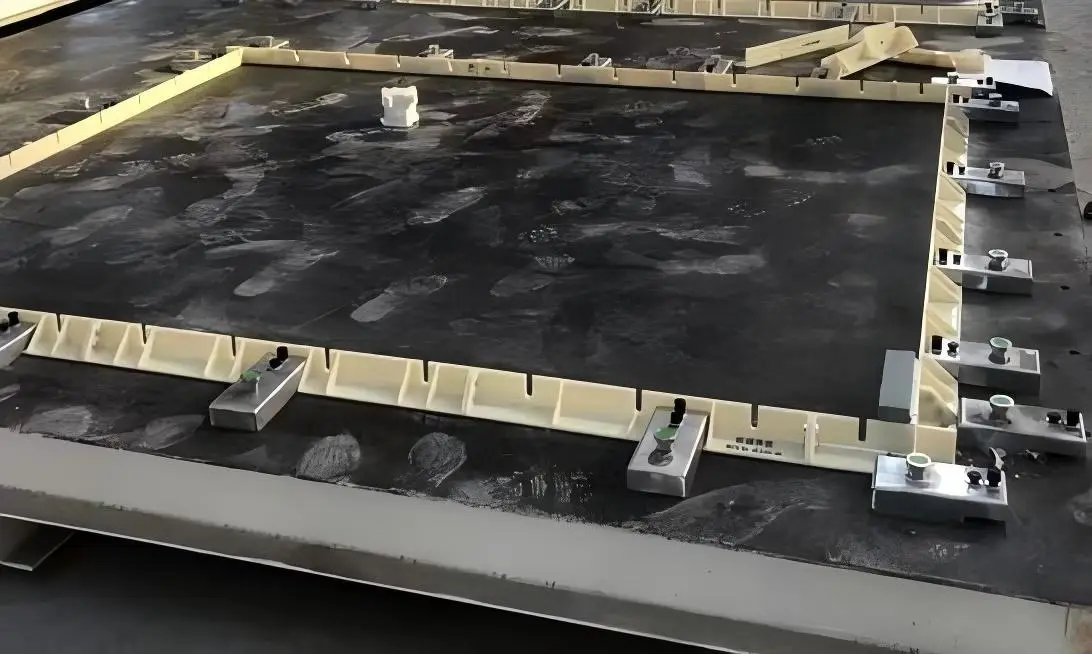
In the production of prefabricated concrete (PC) components in prefabricated buildings, heavy duty precast magnet are the core components that fix molds and ensure the accuracy of component molding. To select high-quality heavy duty precast magnet, a comprehensive evaluation must be conducted from the two core dimensions of "magnetic performance" and "durability".
In the production of prefabricated concrete (PC) components in prefabricated buildings, heavy duty precast magnet are the core components that fix molds and ensure the accuracy of component molding. To select high-quality heavy duty precast magnet, a comprehensive evaluation must be conducted from the two core dimensions of "magnetic performance" and "durability".

Magnetic performance is the key to measuring whether a magnet can perform the task of fixing heavy molds. When purchasing, special attention should be paid to the "maximum magnetic energy product" and "tensile parameters" of the magnet. High quality heavy duty precast magnet typically use high-performance neodymium iron boron materials, which can unleash extremely strong adsorption forces in a small volume, effectively resisting vibrations and impacts during pouring. At the same time, it is necessary to pay attention to the difference between "laboratory tension" and "actual working condition adsorption force". Due to the possible unevenness or attachments on the surface of prefabricated molds, the actual tension often decays. Therefore, sufficient safety margin should be reserved when selecting to ensure construction safety.
Durability directly determines the service life and overall cost of magnets. The production environment of prefabricated factories is usually harsh, so the fatigue resistance and corrosion resistance of magnets are crucial. High quality prefabricated magnets will be fully enclosed and protected with high-quality metal shells, and undergo professional rust and corrosion prevention treatment (such as galvanizing or nickel plating) to prevent the internal magnetic core from being affected by moisture and oxidation, leading to demagnetization. In addition, its impact resistance and temperature resistance performance need to be examined to ensure that the magnetic force can remain stable under long-term high-frequency demolding, mechanical collision, and high-temperature steam curing environments.

The selection of heavy duty precast magnet should not be based solely on a single parameter, but should be combined with specific mold weight, production frequency, and maintenance environment. High quality products with strong magnetic force, tight protection, and strict fatigue testing should be selected to ensure efficient production of prefabricated buildings.
MORE
18 Jan,2025
Magnetic Box Maintenance Notice Manual

13 Oct,2026
Magnetic Shuttering: Enhancing Efficiency in Electrical Applications

Ningbo Yati Metal Products Co., Ltd.
No. 55, Meiliangqiao Village, Hengjie Town, Haishu District, Ningbo City, Zhejiang Province