Important Considerations When Using Precast Formwork Magnets
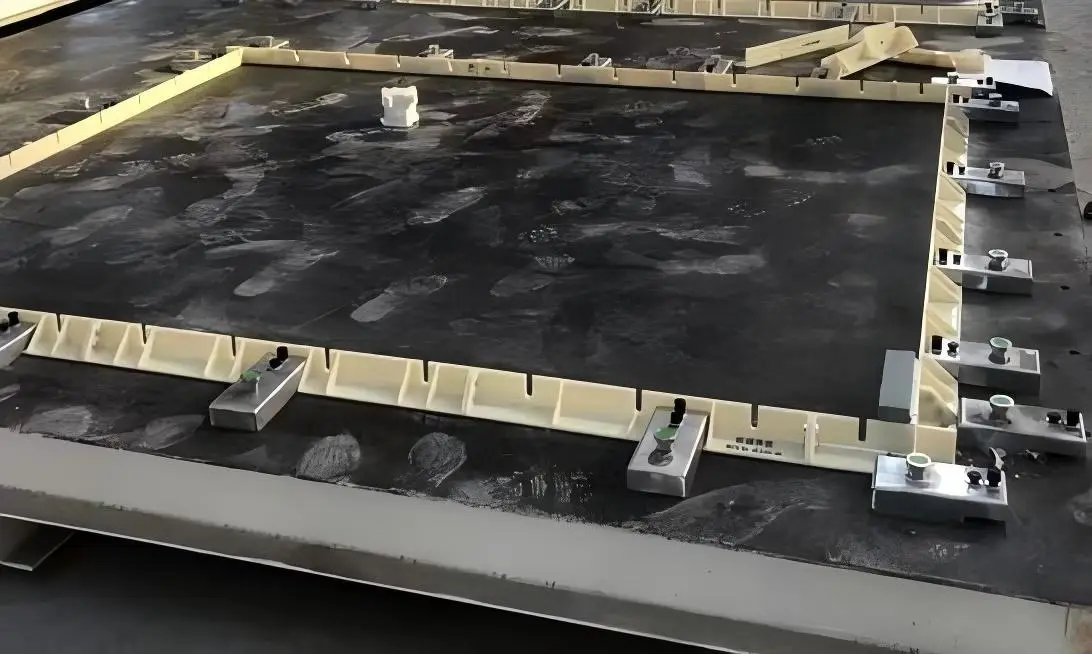
As the prefabricated construction industry continues to evolve, Precast Formwork Magnets have emerged as essential auxiliary tools in the production of precast concrete components. They enable the rapid securing of formwork, thereby boosting construction efficiency while minimizing the wear and tear typically associated with traditional welding methods. However, during actual operation, improper handling can compromise the magnetic box's suction performance and shorten its service life. Therefore, mastering the correct usage procedures is of paramount importance.
As the prefabricated construction industry continues to evolve, Precast Formwork Magnets have emerged as essential auxiliary tools in the production of precast concrete components. They enable the rapid securing of formwork, thereby boosting construction efficiency while minimizing the wear and tear typically associated with traditional welding methods. However, during actual operation, improper handling can compromise the magnetic box's suction performance and shorten its service life. Therefore, mastering the correct usage procedures is of paramount importance.

First, ensure that the mounting surface is flat and clean. Precast Formwork Magnets rely on powerful magnetic forces to adhere to steel casting beds. If the bed is covered in excessive dust, cement residue, or metal shavings, the adhesion strength will be diminished, thereby compromising the stability of the formwork. Prior to use, the work platform should be thoroughly cleaned to ensure the contact surface remains clean and flat; this guarantees that the magnetic box remains stable and securely anchored.
It is also essential to select the appropriate specifications of Precast Formwork Magnets based on the weight of the formwork. Different models of magnetic boxes possess varying levels of suction power; if the suction force is insufficient, the formwork may shift during the concrete pouring and vibration processes, resulting in dimensional inaccuracies in the finished components. Consequently, when procuring these devices, one should make a comprehensive selection based on factors such as formwork dimensions, concrete pressure, and specific production processes.
During operation, avoid subjecting the magnets to heavy impacts. Although the housing of a Precast Formwork Magnet is typically constructed from steel for protection, its internal core consists of high-performance magnetic materials. Frequent collisions can easily lead to a decline in magnetic strength or structural damage. Particularly during removal and transportation, it is advisable to utilize specialized tools to handle the units and strictly avoid direct hammering or striking.
Regular maintenance is equally critical. After prolonged use, metal shavings or concrete residue may accumulate on the base of the magnetic box; this not only impairs suction performance but can also complicate the removal process. Production personnel should periodically inspect the surfaces of the magnetic boxes and perform routine cleaning and rust-prevention treatments to extend the service life of the equipment.

Attention must also be paid to the ambient working temperature. High-temperature environments can adversely affect the performance of certain magnetic materials; therefore, when operating in high-temperature production zones, it is necessary to select heat-resistant models of Precast Formwork Magnets to ensure both stability and safety.
The proper use of Precast Formwork Magnets not only enhances the production efficiency of precast components but also reduces formwork wear and labor costs. For modern precast concrete factories, adhering to standardized operating procedures and implementing regular maintenance protocols have become indispensable elements in ensuring the consistent quality of production.
MORE
18 Jan,2025
Magnetic Box Maintenance Notice Manual

13 Oct,2026
Magnetic Shuttering: Enhancing Efficiency in Electrical Applications

Ningbo Yati Metal Products Co., Ltd.
No. 55, Meiliangqiao Village, Hengjie Town, Haishu District, Ningbo City, Zhejiang Province