Key Technical Capabilities to Evaluate When Selecting a Magnetic Formwork System Manufacturer
Amid the rapid growth of the precast concrete industry, magnetic formwork systems are increasingly adopted by manufacturers due to their flexible installation, high reusability, and superior production efficiency. However, as technical capabilities vary among suppliers, selecting the right manufacturer is crucial; it impacts not only equipment performance but also production efficiency, component quality, and long-term operating costs. Therefore, when purchasing a magnetic formwork system, it is essential to thoroughly evaluate a manufacturer's technical capabilities across several key areas.
Amid the rapid growth of the precast concrete industry, magnetic formwork systems are increasingly adopted by manufacturers due to their flexible installation, high reusability, and superior production efficiency. However, as technical capabilities vary among suppliers, selecting the right manufacturer is crucial; it impacts not only equipment performance but also production efficiency, component quality, and long-term operating costs. Therefore, when purchasing a magnetic formwork system, it is essential to thoroughly evaluate a manufacturer's technical capabilities across several key areas.

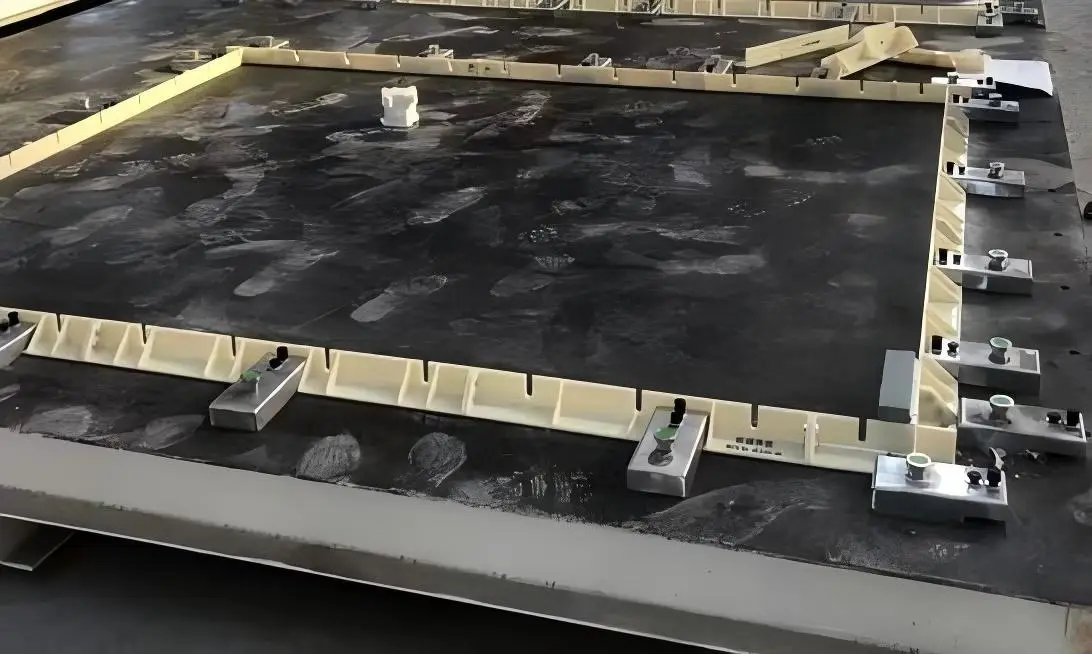
Magnetic performance is a core technical aspect of these systems. A top-tier manufacturer must possess expertise in magnetic circuit design, magnet configuration, and the optimization of holding structures. This ensures the formwork remains securely fixed during production, preventing displacement caused by vibration or the pressure of concrete pouring.
When purchasing, buyers should examine the manufacturer's magnetic specifications, holding stability test results, and case studies covering various operating conditions. For large-scale precast production projects, it is also vital to confirm that the system can withstand the demands of high-intensity, continuous production.
Different precast concrete products impose varying requirements regarding formwork dimensions, structural strength, and installation methods. For instance, components such as wall panels, staircases, utility tunnels, and concrete beams or columns each demand different levels of precision and flexibility from the formwork system.
A professional magnetic formwork system manufacturer should offer customization capabilities, providing structural solutions tailored to the client's production line layout, mold dimensions, and product specifications. Furthermore, factors such as the strength of the formwork frame, connection methods, and wear resistance must be meticulously designed to ensure stability during long-term use.
Magnetic formwork systems require precision manufacturing, involving processes such as steel cutting, welding, surface treatment, and the installation of magnetic components. A manufacturer's production equipment and quality management system directly influence product consistency.
Buyers should assess the manufacturer's processing equipment, production workflows, and quality inspection standards. Clear quality control procedures should be in place for aspects such as dimensional accuracy, weld integrity, anti-corrosion surface treatment, and magnetic performance testing.
As precast concrete plants move toward automation and intelligent manufacturing, magnetic formwork systems must not only fulfill basic anchoring functions but also integrate seamlessly with the production line. An excellent supplier should be capable of providing solutions that integrate seamlessly with automated production lines—such as robotic fabric placement systems, mold circulation systems, and production management systems—to enhance overall efficiency. Furthermore, the manufacturer should offer on-site installation guidance, technical training, and after-sales support to help clients quickly commence production.
Manufacturers with R&D expertise can typically refine their products in response to industry demands. Examples include developing lighter formwork structures, more efficient magnetic control mechanisms, and protective designs suitable for specialized environments.
In addition, a manufacturer's track record serves as a key indicator of technical competence. Suppliers with experience in multiple precast concrete projects generally possess a deeper understanding of real-world production challenges, enabling them to deliver more reliable solutions.

When selecting a manufacturer of magnetic formwork systems, one should look beyond price and comprehensively evaluate factors such as magnetic technology, structural design, manufacturing capabilities, automation compatibility, and project experience. A supplier with strong technical capabilities not only provides stable, reliable magnetic formwork systems but also helps precast concrete enterprises boost productivity, reduce maintenance costs, and ensure long-term, stable operations. For companies planning bulk purchases or the construction of automated precast plants, choosing a manufacturer with proven technical expertise is crucial to project success.
MORE
18 Jan,2025
Magnetic Box Maintenance Notice Manual

13 Oct,2026
Magnetic Shuttering: Enhancing Efficiency in Electrical Applications

Ningbo Yati Metal Products Co., Ltd.
No. 55, Meiliangqiao Village, Hengjie Town, Haishu District, Ningbo City, Zhejiang Province