Precautions for Using Column Shuttering Magnets
The suction force of column shuttering magnets is no joke. During installation and removal, *never* place your fingers between the magnet and the formwork; a moment of carelessness can result in a painful pinch. It is safest to work in pairs: one person holds the formwork steady while the other positions the magnet, ensuring a secure and stable placement.
Safety First: Don't Let the Magnet "Bite" Your Hand
The suction force of column shuttering magnets is no joke. During installation and removal, *never* place your fingers between the magnet and the formwork; a moment of carelessness can result in a painful pinch. It is safest to work in pairs: one person holds the formwork steady while the other positions the magnet, ensuring a secure and stable placement.
Be especially cautious when handling large magnets—wearing a pair of thick gloves is highly recommended. Do not let magnets get too close to one another; if they snap together with a loud "thwack," it could not only injure your hands but also cause the magnets to crack.

Keep Away from "Sensitive" Items
Keep electronic devices—such as mobile phones, two-way radios, and measuring instruments—at a safe distance from the magnets. The magnets' strong magnetic fields can cause these devices to malfunction, or in severe cases, render them permanently useless. If any colleagues on the job site wear pacemakers, be sure to remind them to maintain a safe distance as well.
Avoid carrying magnetic cards or mechanical watches in your pockets when near the magnets, as they can be demagnetized in a matter of seconds. This small detail is something experienced workers understand well.
Proper Installation Techniques
Once the column formwork is erected, align the magnet precisely before slowly bringing it into contact. Do not rush the process by simply flinging the magnet into place; doing so risks damaging the corners or edges of the formwork. After the magnet has adhered, give it a firm push with your hand to ensure it is securely attached.
The number of magnets required for a single column should strictly follow the manufacturer's specifications. Do not assume that "using a few extra magnets provides greater security"; placing magnets too close together can cause them to interfere with one another, actually *reducing* their overall holding power.
Don't Neglect Routine Maintenance
After use, wipe down the surface of the magnets with a dry cloth to remove any cement dust or residue. Allowing cement to accumulate over time will negatively affect the magnet's holding strength. If you notice any scratches or cracks on the magnet's surface, replace it immediately; do not attempt to make do with damaged equipment.
When storing the magnets, it is best to separate them using wooden boards or plastic dividers rather than simply stacking them directly on top of one another. Avoid storing them in humid environments, as prolonged exposure to moisture can cause the magnets to rust.
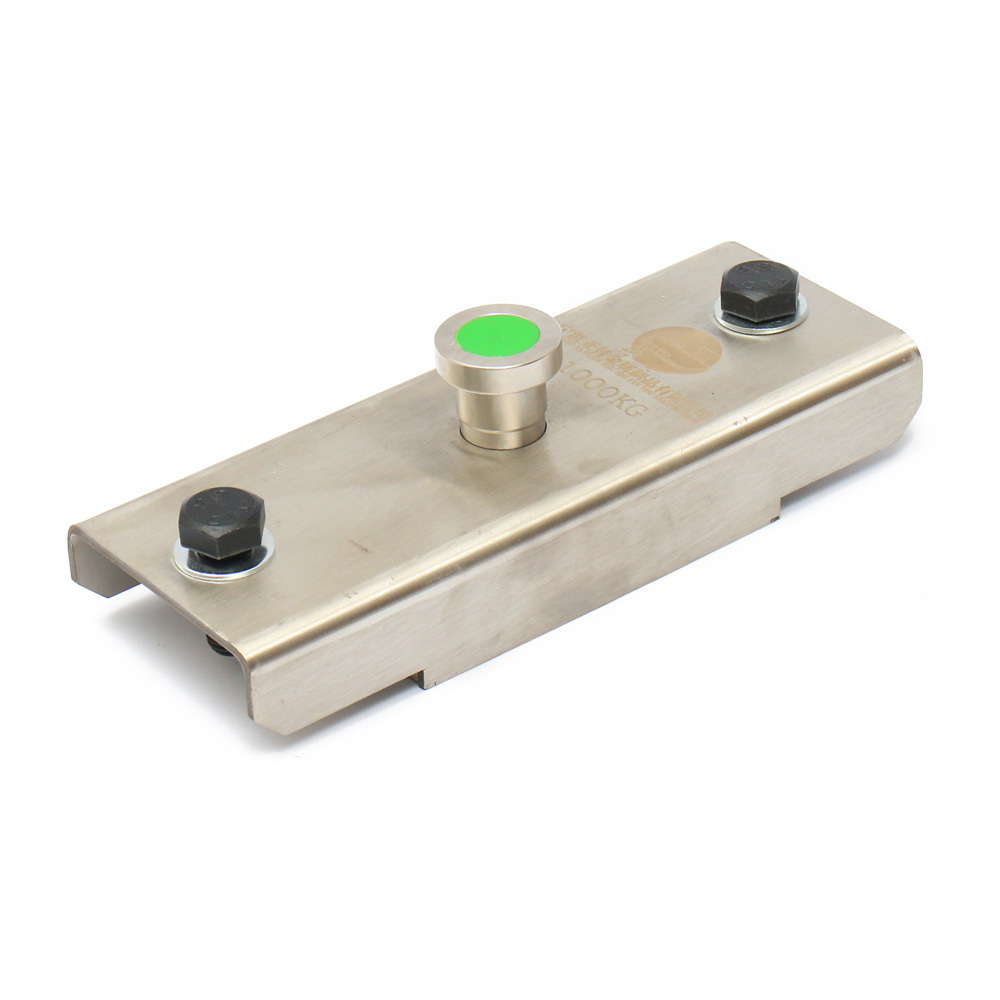
Watch Out for Children and Novices
If there are apprentices or visitors on the job site, provide them with a safety briefing beforehand. People who have never witnessed the power of these magnets may be tempted to touch them out of curiosity—a mistake that almost invariably results in a painful pinch. Always put the magnets away immediately after use; do not leave them scattered haphazardly across the ground.
Remember: even the best tools are only truly effective when used correctly. Column shuttering magnets save both time and effort; however, vigilance regarding safety must never be relaxed—not even for a moment.
MORE
18 Jan,2025
Magnetic Box Maintenance Notice Manual

13 Oct,2026
Magnetic Shuttering: Enhancing Efficiency in Electrical Applications

Ningbo Yati Metal Products Co., Ltd.
No. 55, Meiliangqiao Village, Hengjie Town, Haishu District, Ningbo City, Zhejiang Province