The Role of Precast Anchor Fixing Magnets in the Installation of Heavy Components
In modern heavy industrial construction and large-scale infrastructure projects, the sheer size of structural components is constantly increasing, and their shapes are becoming increasingly complex. Whether dealing with giant steel plates in shipyards or heavy steel frameworks in prefabricated buildings, the installation process presents significant safety challenges and rigorous demands for precision. Traditional hoisting and fixing methods often rely on manual assistance, rope lashing, or temporary welding—approaches that are not only inefficient but also harbor extremely high safety risks. The advent of precast anchor fixing magnets has effectively equipped heavy component installation with a pair of "powerful magnetic hands," playing an irreplaceable role in ensuring operational safety, enhancing construction precision, and optimizing work processes.
In modern heavy industrial construction and large-scale infrastructure projects, the sheer size of structural components is constantly increasing, and their shapes are becoming increasingly complex. Whether dealing with giant steel plates in shipyards or heavy steel frameworks in prefabricated buildings, the installation process presents significant safety challenges and rigorous demands for precision. Traditional hoisting and fixing methods often rely on manual assistance, rope lashing, or temporary welding—approaches that are not only inefficient but also harbor extremely high safety risks. The advent of precast anchor fixing magnets has effectively equipped heavy component installation with a pair of "powerful magnetic hands," playing an irreplaceable role in ensuring operational safety, enhancing construction precision, and optimizing work processes.

The core value of precast anchor fixing magnets lies in their exceptional stability and safety. During the hoisting of heavy components, swaying is a common and dangerous challenge. Traditional flexible lifting slings struggle to completely restrict component oscillation, while rigid clamps risk damaging the component's surface. By harnessing the powerful suction force generated by high-performance permanent magnets or electro-permanent magnets, precast anchor fixing magnets can instantly establish a rigid connection between the component and the lifting gear or installation platform. For instance, when hoisting steel frameworks or irregularly shaped steel structures, magnetic devices equipped with hydraulic rods or spring buffers can rapidly press firmly against the component's surface, effectively suppressing swaying and preventing uncontrolled displacement of the component while suspended in mid-air. This "zero-gap" suction method not only prevents deformation or damage caused by component collisions but also significantly mitigates the safety risks associated with falling or swaying components during high-altitude operations.
Beyond ensuring safety, precast anchor fixing magnets serve as a "stabilizing pillar" for enhancing installation precision. In the installation of large-scale suspension bridge anchorage systems or precision mechanical equipment, even millimeter-level errors can lead to severe consequences. Traditional positioning methods often require repetitive manual measurements and adjustments—a process that is time-consuming, labor-intensive, and offers no guarantee of precision. In contrast, modern magnetic anchoring technology integrates high-precision measurement techniques—such as dual-magnetic prism positioning technology—to provide real-time feedback on a component's spatial coordinates throughout the installation process. Secured via magnetic adsorption, structural components maintain exceptional stability once adjusted into position, remaining impervious to wind loads or construction-related vibrations. Furthermore, to address the thermal expansion and contraction effects inherent to steel structures in environments with significant temperature fluctuations, the precast anchor fixing magnet integrates with temperature correction algorithms. This ensures the precise positioning of components even within complex environments, thereby completely eliminating the displacement issues caused by external forces—a common drawback of traditional positioning methods.
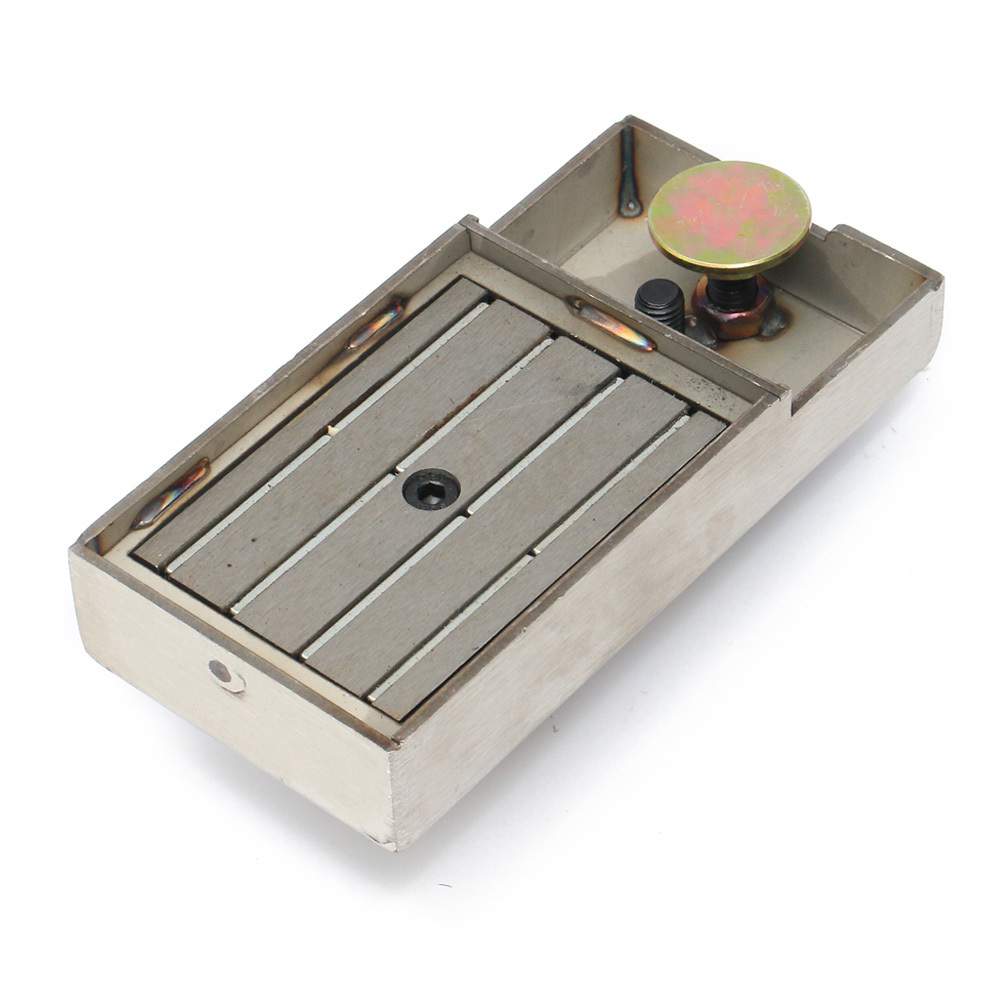
In terms of efficiency enhancement, the precast anchor fixing magnet demonstrates truly unique advantages. It dispenses with cumbersome bolting and welding procedures, enabling a rapid workflow characterized by "instant magnetic attachment for use, and instant release for removal." In shipyards and steel fabrication plants, utilizing wireless electric magnetic lifting systems, workers can perform single-handed operations to effortlessly flip, transport, and position steel plates weighing several tons—thereby drastically reducing material handling times. Concurrently, the precast anchor fixing magnet causes no surface damage to the components; unlike traditional welding fixtures, it requires no subsequent grinding or repair work, thereby streamlining post-processing procedures and significantly lowering construction costs.
In the installation of heavy structural components, the precast anchor fixing magnet fulfills a triple role: serving as a guardian of safety, a benchmark for precision, and an engine for efficiency. As rare-earth permanent magnet materials and intelligent control technologies continue to advance, the precast anchor fixing magnet is poised to play an even more pivotal role in future heavy industrial construction projects, driving the evolution of building construction toward greater safety, precision, and efficiency.
MORE
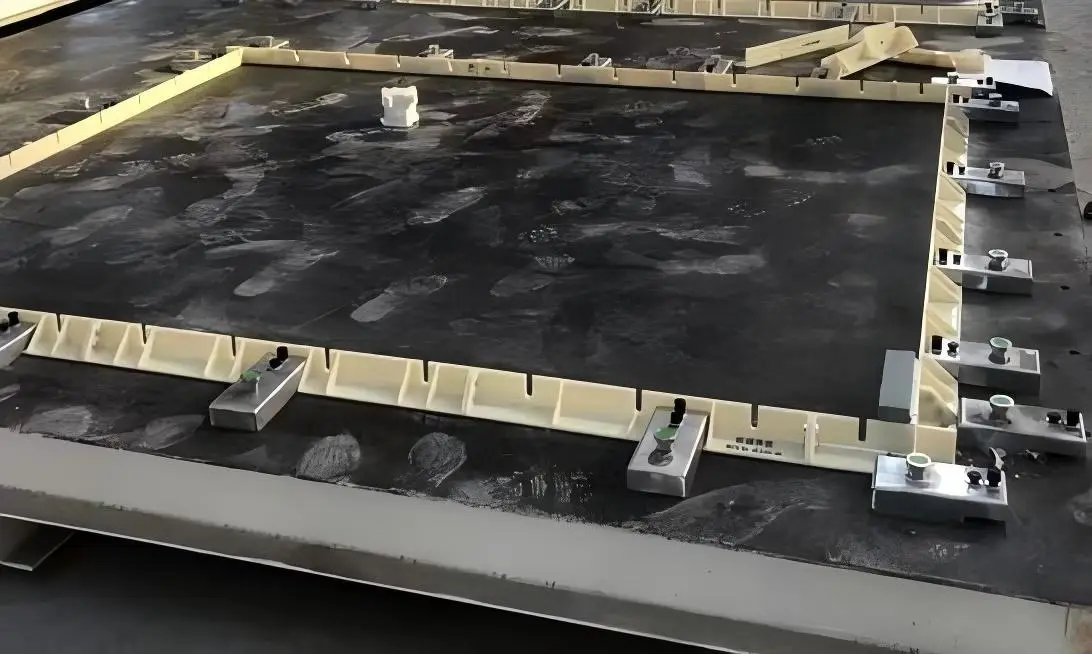
18 Jan,2025
Magnetic Box Maintenance Notice Manual

13 Oct,2026
Magnetic Shuttering: Enhancing Efficiency in Electrical Applications

Ningbo Yati Metal Products Co., Ltd.
No. 55, Meiliangqiao Village, Hengjie Town, Haishu District, Ningbo City, Zhejiang Province