Trends in the Development of Magnetic Shuttering in Construction Industrialization
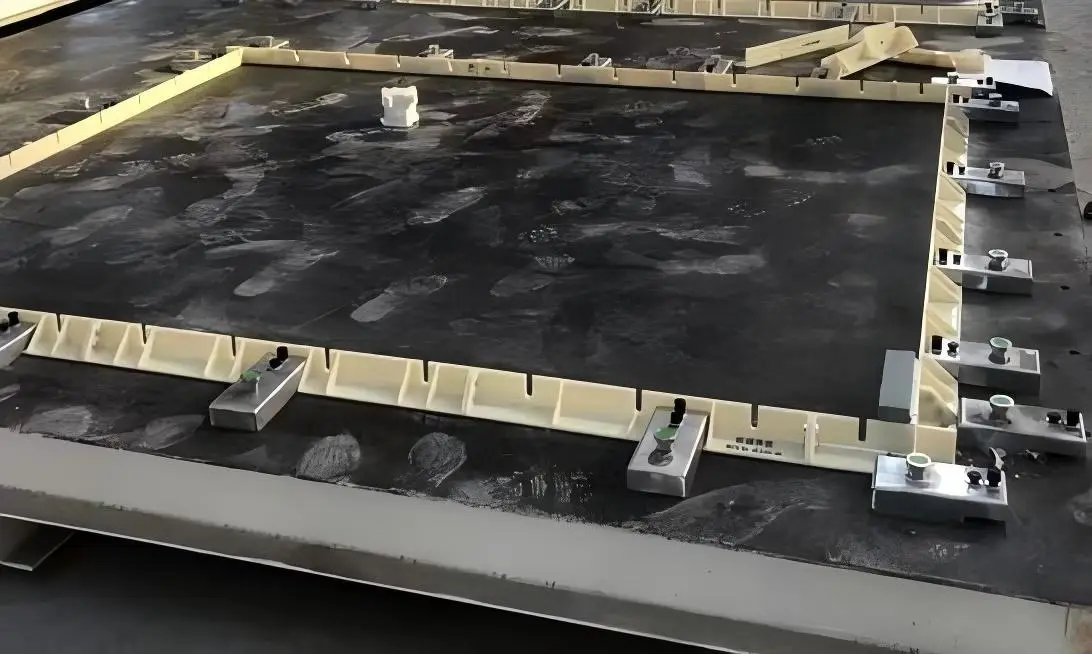
With the rapid advancement of construction industrialization and prefabricated building methods, construction practices are shifting from traditional on-site operations to factory prefabrication and standardized assembly. In this context, magnetic shuttering—an efficient and flexible formwork fixation technology—is emerging as a key piece of equipment in precast concrete production, offering significant growth potential.
With the rapid advancement of construction industrialization and prefabricated building methods, construction practices are shifting from traditional on-site operations to factory prefabrication and standardized assembly. In this context, magnetic shuttering—an efficient and flexible formwork fixation technology—is emerging as a key piece of equipment in precast concrete production, offering significant growth potential.
Technologically, magnetic shuttering is evolving toward greater magnetic stability and intelligent control. While traditional magnetic formwork relied primarily on mechanical switches for fixation and release, new-generation products are incorporating adjustable magnetic systems; this allows operators to fine-tune holding force based on the specific requirements of different components. Such technological upgrades not only enhance safety during fixation but also boost production efficiency and adaptability.

Amid the push for construction industrialization, the demand for standardized and modular production is rising, making the advantages of magnetic shuttering increasingly apparent. Compared to traditional bolting or welding methods, magnetic shuttering allows for rapid installation and removal, drastically cutting down on production preparation time. Furthermore, its compatibility with various steel formwork systems adds flexibility to precast production lines, enabling factories to adopt efficient production models characterized by high product variety and small batch sizes.
In terms of industry application, the use of magnetic shuttering is expanding beyond simple wall panels to encompass the prefabrication of beams, columns, floor slabs, and complex structural components. As the design complexity of prefabricated buildings increases, so do the demands for formwork precision and stability; thanks to its high positioning accuracy and strong holding power, magnetic shuttering effectively ensures concrete molding quality while minimizing errors and rework rates.
Driven by the principles of green building and sustainable development, the environmental benefits of magnetic shuttering are also becoming increasingly evident. Its reusability reduces material waste and lowers energy consumption and labor requirements during construction, aligning with the industry's shift toward low-carbon development.

Looking ahead, the deep integration of intelligent manufacturing technologies and construction information systems (such as BIM) promises to enable coordinated control between magnetic shuttering systems and digital production lines. For instance, the automated adjustment of formwork layouts and magnetic parameters via data systems will further elevate the automation levels and production precision of precast factories.
Magnetic shuttering represents not only an upgrade in formwork technology but also a vital tool for advancing the industrialization of construction. Driven by trends toward efficiency, precision, and sustainability, its scope of application will continue to expand, securing an increasingly pivotal role in future prefabricated construction systems.
MORE
18 Jan,2025
Magnetic Box Maintenance Notice Manual

13 Oct,2026
Magnetic Shuttering: Enhancing Efficiency in Electrical Applications

Ningbo Yati Metal Products Co., Ltd.
No. 55, Meiliangqiao Village, Hengjie Town, Haishu District, Ningbo City, Zhejiang Province