Will shuttering magnets come loose during concrete vibration
Vibration is a critical step in the production of precast concrete components; it densifies the concrete through high-frequency oscillation, thereby enhancing the component's strength and surface quality. Many manufacturers are concerned about whether shuttering magnets might come loose under such intense vibration.
Vibration is a critical step in the production of precast concrete components; it densifies the concrete through high-frequency oscillation, thereby enhancing the component's strength and surface quality. Many manufacturers are concerned about whether shuttering magnets might come loose under such intense vibration.

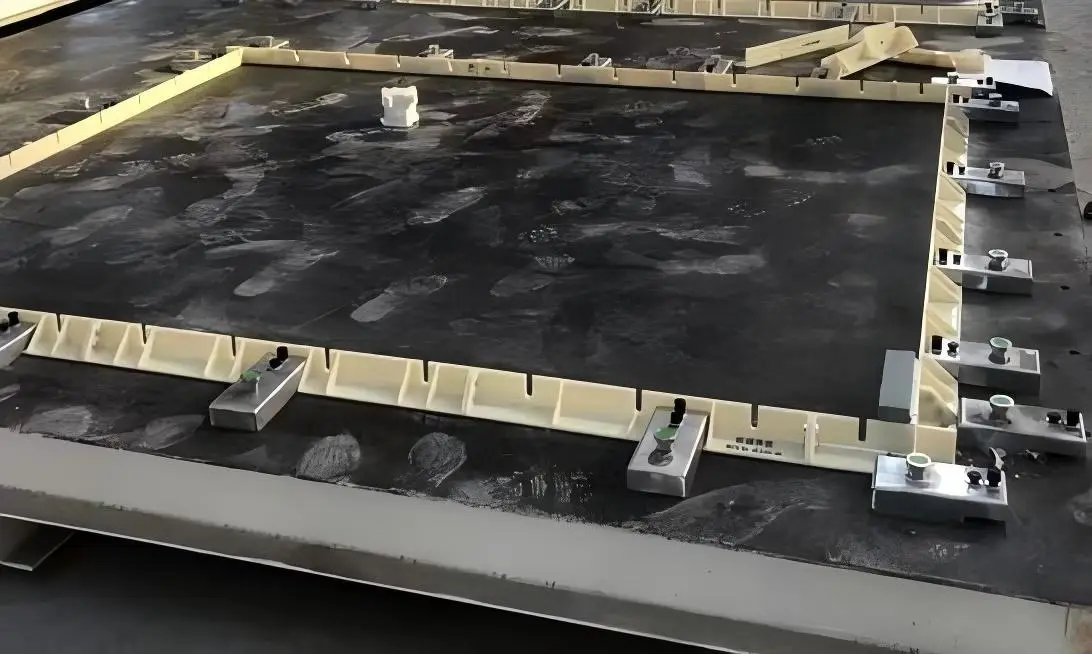
Structurally, shuttering magnets typically consist of high-strength permanent magnets, a steel housing, and a switching mechanism. Once activated, the magnet generates a powerful clamping force against the steel formwork surface, securing it firmly in place. This force—derived from the magnetic flux interaction between the magnet and the steel—is a form of physical adhesion rather than mechanical locking; consequently, stability depends largely on the magnitude of the magnetic force and the condition of the contact surfaces.
Under normal operating conditions—provided the formwork surface is flat and clean and the correct magnet specification is selected—the clamping force is fully capable of withstanding the horizontal and vertical disturbances caused by concrete vibration, preventing the magnet from coming loose. Modern precast production lines often design these magnets with vibration conditions in mind, incorporating a high safety margin to ensure stability even on high-frequency vibrating tables.
However, slight displacement or even loosening can occur in certain specific situations. For instance, oil, rust, or concrete residue on the formwork surface can impair the fit between the magnet and the steel plate, thereby reducing the effective clamping force. Improper selection—such as choosing a magnet with insufficient magnetic strength or using it in an environment with excessive vibration—can also lead to instability.
Additionally, improper handling during frequent, rapid installation and removal can cause wear on the magnet's base or result in inaccurate positioning, indirectly compromising stability during vibration. Therefore, in practice, success relies not only on selecting the right magnet specification but also on maintaining clean formwork surfaces and adhering to standardized operating procedures.

Under standardized production conditions, shuttering magnets remain stable during concrete vibration and are unlikely to come loose. However, their performance depends on correct selection, favorable operating conditions, and proper usage. Provided these conditions are met, shuttering magnets offer an efficient and reliable formwork fixing solution for the production of precast components.
MORE
18 Jan,2025
Magnetic Box Maintenance Notice Manual

13 Oct,2026
Magnetic Shuttering: Enhancing Efficiency in Electrical Applications

Ningbo Yati Metal Products Co., Ltd.
No. 55, Meiliangqiao Village, Hengjie Town, Haishu District, Ningbo City, Zhejiang Province