Will the performance of a precast shuttering magnet degrade with repeated use
In the precast concrete industry, precast shuttering magnets are widely used to fix side molds and steel mold systems. They achieve rapid positioning and locking through strong magnetic force, significantly improving mold turnover efficiency. Many users are concerned about whether the performance of this type of magnet will degrade with repeated use.
In the precast concrete industry, precast shuttering magnets are widely used to fix side molds and steel mold systems. They achieve rapid positioning and locking through strong magnetic force, significantly improving mold turnover efficiency. Many users are concerned about whether the performance of this type of magnet will degrade with repeated use.

In principle, precast shuttering magnets mainly rely on internal permanent magnet materials to provide stable magnetic force. Under normal operating conditions, the magnetic properties of this type of magnet are very stable, and theoretically, it can maintain its adsorption force for a long time, unlike mechanical clamps that fail due to wear. Therefore, under proper operation, repeated use will not lead to a significant decrease in magnetic force.
However, in actual production environments, performance degradation may still occur. The main reason is not the "natural disappearance of magnetic force," but rather the influence of external factors. For example, if the magnet is subjected to long-term erosion by concrete slurry, steel slag adhesion, or failure to clean in time, the bottom contact surface may become uneven, thus reducing the actual adsorption effect. In addition, frequent strong impacts, drops, or improper prying may also cause damage to the internal structure, indirectly affecting the magnetic performance.
Temperature is also an important factor. While most industrial precast molding magnets can withstand certain high temperatures, irreversible demagnetization may occur if exposed to environments exceeding their design limits for extended periods, leading to a decrease in attractive force. Therefore, high-temperature resistant models are necessary for processes such as steam curing.
To ensure long-term stable use, it is recommended to clean the magnets after each demolding to avoid concrete residue; store them in a dry environment; avoid hard impacts or drops during operation; and regularly check the attractive force to ensure it meets production requirements. For high-frequency production lines, a periodic inspection system can be established to ensure safety and stability.
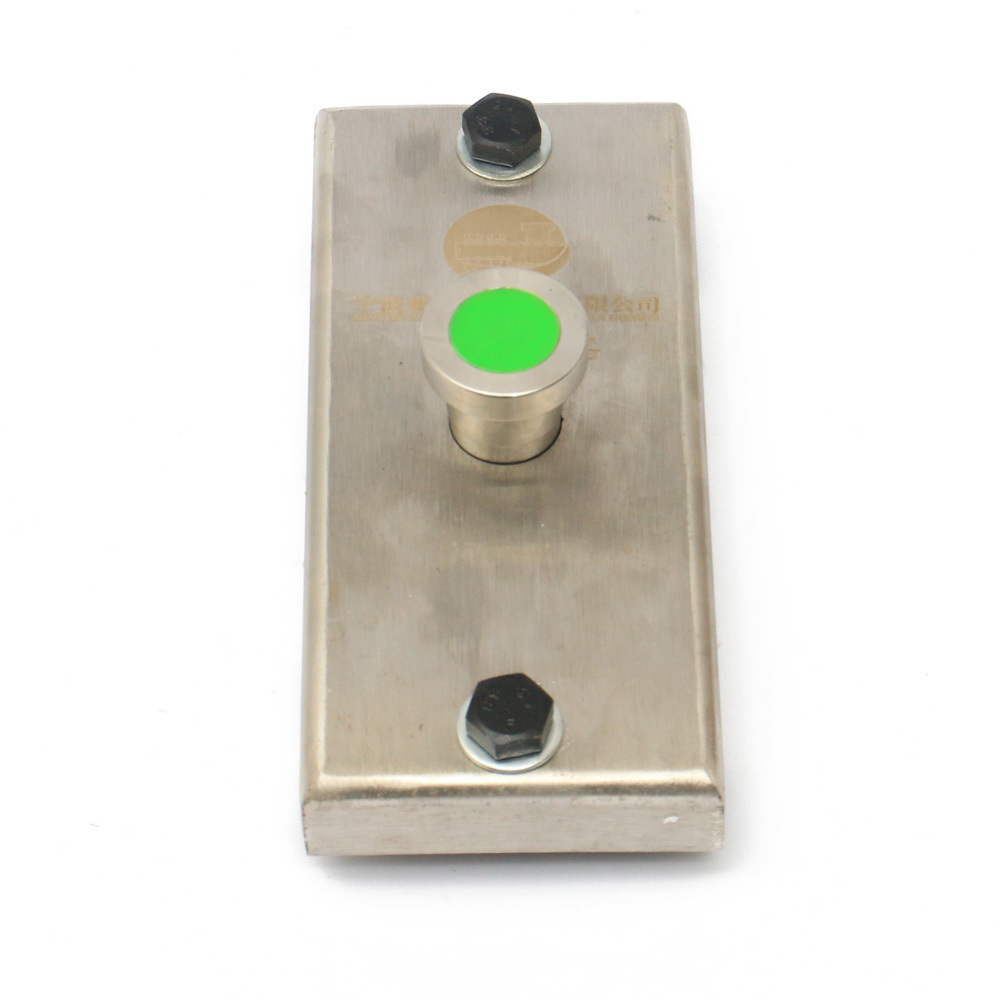
Precast shuttering magnets inherently possess high reusability stability. With proper use and maintenance, their performance remains stable over long periods without significant degradation. This is one of the key reasons for their widespread adoption in modern precast component factories.
MORE
18 Jan,2025
Magnetic Box Maintenance Notice Manual

13 Oct,2026
Magnetic Shuttering: Enhancing Efficiency in Electrical Applications

Ningbo Yati Metal Products Co., Ltd.
No. 55, Meiliangqiao Village, Hengjie Town, Haishu District, Ningbo City, Zhejiang Province