How to Maintain Your Precast Formwork Magnet Boxes for Longevity
How to Maintain Your Precast Formwork Magnet Boxes for Longevity Precast formwork magnet boxes are vital components in the construction industry, particularly in precast concrete applications. These robust tools not only aid in holding formwork securely in place but also ensure the precision and quality of the finished product. Proper maintenance is critical to ensuring these magnet boxes perform
How to Maintain Your Precast Formwork Magnet Boxes for Longevity
Precast formwork magnet boxes are vital components in the construction industry, particularly in precast concrete applications. These robust tools not only aid in holding formwork securely in place but also ensure the precision and quality of the finished product. Proper maintenance is critical to ensuring these magnet boxes perform effectively over time. In this comprehensive guide, we will explore various strategies, techniques, and best practices for maintaining your precast formwork magnet boxes to maximize their lifespan.
Table of Contents
- Understanding Precast Formwork Magnet Boxes
- The Importance of Maintenance
- Daily Maintenance Tips
- Weekly Maintenance Practices
- Monthly Inspection Checklist
- Common Issues and Solutions
- Best Storage Practices for Magnet Boxes
- Frequently Asked Questions
- Conclusion
Understanding Precast Formwork Magnet Boxes
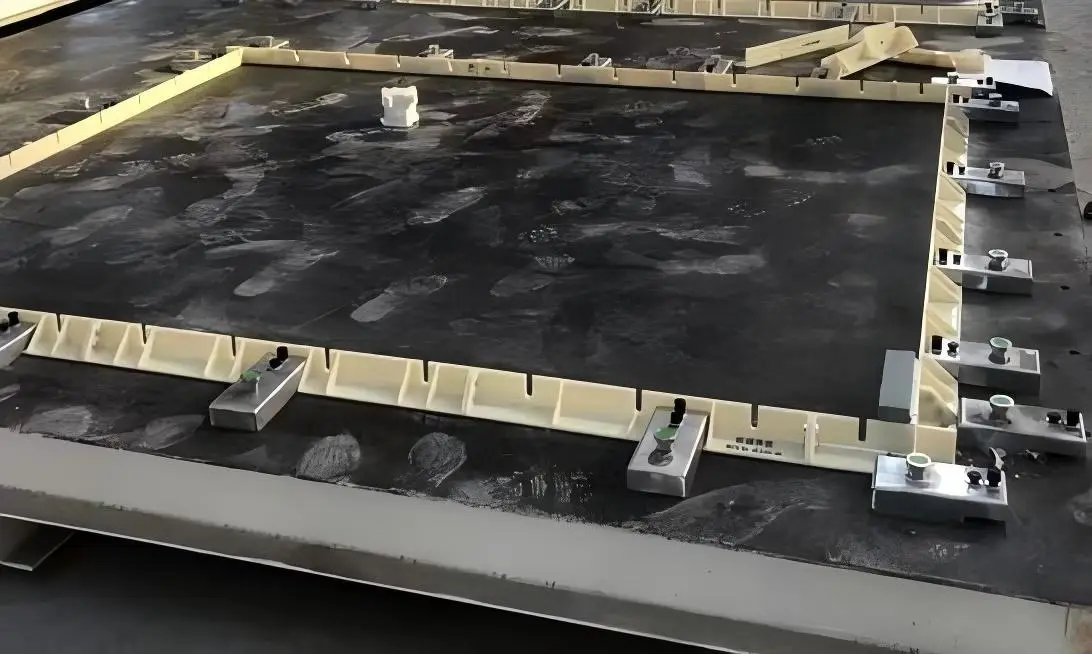
Precast formwork magnet boxes are specifically designed to hold formwork in place during the pouring and curing of concrete. These boxes utilize powerful magnets that secure the formwork against the concrete, ensuring that the desired shape and finish are achieved. The efficiency of these magnets makes them invaluable to construction projects where time and precision are crucial.
Magnet boxes are typically made from durable materials, allowing them to withstand the harsh conditions found on construction sites. However, the performance of these tools can significantly diminish if they are not properly maintained, leading to subpar results.
The Importance of Maintenance
Regular maintenance of your precast formwork magnet boxes is essential for several reasons:
1. **Performance Improvement**: Well-maintained magnet boxes provide optimal magnetic force, ensuring that the formwork remains securely in place during concrete pouring.
2. **Cost Effectiveness**: Regular maintenance can extend the life of your equipment, reducing the need for costly replacements.
3. **Safety Assurance**: Properly maintained equipment reduces the risk of accidents on the job site, ensuring a safer working environment for all personnel.
4. **Quality Control**: By maintaining your magnet boxes, you ensure that they perform consistently, leading to improved quality in your concrete finishes.
Daily Maintenance Tips
To maintain the efficiency of your precast formwork magnet boxes, incorporate the following daily maintenance tips into your routine:
Visual Inspections
Conduct a quick visual inspection of each magnet box before use. Check for signs of wear, damage, or corrosion. Look for any cracks in the housing and ensure that the magnets are securely attached.
Cleansing Procedures
After each use, clean the magnet boxes to remove any concrete residue. Use a damp cloth or sponge with mild detergent to scrub the surfaces. Avoid using abrasive materials that could scratch or damage the finish.
Magnet Functionality Checks
Test the magnets' strength before use. Ensure that they can hold the formwork securely in place. If a magnet does not function properly, it may need to be repaired or replaced.
Weekly Maintenance Practices
In addition to daily checks, implement the following weekly practices to further enhance the durability of your magnet boxes:
Thorough Cleaning
Once a week, perform a more thorough cleaning of your magnet boxes. This includes removing all debris and checking for any signs of corrosion or damage that may not be visible during daily inspections.
Lubrication of Moving Parts
If your magnet boxes have any moving components, lubricate them weekly to prevent rust and ensure smooth operation. Use appropriate lubricants that do not attract dust or debris.
Magnet Strength Testing
Conduct a more comprehensive testing of the magnets' strength weekly. This ensures that any potential weakening of the magnetic force is identified early, allowing for prompt repairs.
Monthly Inspection Checklist
A thorough monthly inspection is essential for maintaining your precast formwork magnet boxes. This checklist will help ensure that you cover all critical aspects:
Physical Examination of Components
Inspect all parts of the magnet boxes, including the housing, magnets, and any mechanical components. Look for cracks, rust, or signs of wear and tear.
Magnet Performance Audit
Conduct magnet performance tests, including both static and dynamic holding tests. Document the results and compare them to previous performance to identify any trends.
Review Maintenance Records
Maintain a log of all maintenance activities performed on each magnet box. This helps in tracking performance issues and determining when replacements may be necessary.
Common Issues and Solutions
Despite regular maintenance, you may encounter some common issues with your magnet boxes. Here are a few problems and their solutions:
Magnet Weakness
**Problem**: Over time, magnets may lose their strength due to wear or exposure to harsh environments.
**Solution**: If a magnet appears weak, test its performance. If it fails to meet standards, consider replacing the magnet or the entire box.
Corrosion and Rust
**Problem**: Exposure to moisture can lead to rust and corrosion.
**Solution**: Clean the boxes after each use and apply protective coatings as necessary to prevent rust formation.
Mechanical Failures
**Problem**: Moving parts may become stuck or fail to operate smoothly.
**Solution**: Lubricate these components regularly and check for any signs of physical damage that may require repair.
Best Storage Practices for Magnet Boxes
Proper storage of your precast formwork magnet boxes significantly impacts their longevity. Follow these best practices to ensure optimal storage conditions:
Dry Environment
Store magnet boxes in a dry environment to prevent moisture-related issues such as rust and corrosion. If possible, use a climate-controlled storage area.
Protective Covers
Utilize protective covers or cases to shield magnet boxes from dust, debris, and physical damage during storage. Ensure that these covers do not trap moisture.
Organized Storage
Keep an organized storage system to prevent magnet boxes from being stacked improperly, which can lead to damage. Clearly label storage areas to make retrieval easier.
Frequently Asked Questions
How often should I maintain my precast formwork magnet boxes?
Regular maintenance should occur daily, weekly, and monthly to ensure optimal performance and longevity.
What should I do if a magnet box is damaged?
If a magnet box is damaged, it’s essential to inspect the extent of the damage and either repair or replace it, depending on the severity.
Can I use harsh chemicals for cleaning my magnet boxes?
Avoid using harsh chemicals or abrasive materials as they can damage the surface of the magnet boxes. Mild detergents are the best option for cleaning.
What are the signs that my magnets have lost strength?
Signs include difficulty holding formwork in place, visible wear on the magnet surface, and poor performance during strength tests.
How should I test the strength of my magnets?
Use both static and dynamic testing methods to assess the holding power of the magnets, documenting any changes in performance over time.
Conclusion
Maintaining your precast formwork magnet boxes is crucial to achieving long-lasting performance and reliability on the job site. By following the daily, weekly, and monthly maintenance practices outlined in this guide, you can significantly extend the lifespan of your equipment. Regular inspections, proper cleaning, and organized storage will ensure that your magnet boxes continue to deliver the precision needed for high-quality concrete finishes. Implement these best practices today, and enjoy the benefits of durable and effective precast formwork magnet boxes in your construction projects.
MORE
18 Jan,2025
Magnetic Box Maintenance Notice Manual
Before using the magnetic box, check whether the bottom of the magnetic block and the platform are clean and flat.
DETAILS

13 Oct,2026
Magnetic Shuttering: Enhancing Efficiency in Electrical Applications
Magnetic Shuttering: Enhancing Efficiency in Electrical Applications
Table of Contents
1. Introduction to Magnetic Shuttering
2. Understanding the Basics of Magnetic Materials
3. The Role of Magnetic Shuttering in Electrical Applications
4. Key Benefits of Magnetic Shuttering Technology
4.1 Improved Energy Efficiency
4.2 Enhanced Operational Reliability
4.3 Cost-Effectiveness
5. Applications of Ma
DETAILS

Ningbo Yati Metal Products Co., Ltd.
No. 55, Meiliangqiao Village, Hengjie Town, Haishu District, Ningbo City, Zhejiang Province