Understanding Precast Socket Magnets in Electrical Applications
Precast socket magnets are specialized magnetic components designed for a variety of applications, particularly within the electrical and electronics sectors. These magnets are generally pre-molded into specific shapes and sizes, allowing for seamless integration into various devices and systems. The efficient design of precast socket magnets facilitates their use in numerous applications, ranging
Precast socket magnets are specialized magnetic components designed for a variety of applications, particularly within the electrical and electronics sectors. These magnets are generally pre-molded into specific shapes and sizes, allowing for seamless integration into various devices and systems. The efficient design of precast socket magnets facilitates their use in numerous applications, ranging from basic electrical fixtures to more complex industrial machinery.
One notable advantage of precast socket magnets is their ability to provide secure mounting options for electronic components. By embedding magnets directly into sockets or housings, manufacturers can create devices that are not only easier to assemble but also capable of maintaining optimal position and stability under operational conditions. This feature is particularly beneficial in applications where vibrations or movements are present, such as in automotive or aerospace engineering.
From a technical perspective, the performance of precast socket magnets can be influenced by several factors, including the material composition, magnetic strength, and environmental conditions. For instance, common materials used in the production of these magnets include ferrite, neodymium, and samarium-cobalt, each offering varying degrees of magnetic force and resistance to demagnetization. Therefore, it is crucial for engineers to select the appropriate type of magnet based on the specific requirements of their applications.
Another important consideration is the temperature tolerance of precast socket magnets. Many magnetic materials can lose their magnetism when exposed to high temperatures, so understanding the thermal limits is essential when designing electronic assemblies. In applications where heat is generated, such as in motors or transformers, choosing magnets with high-temperature resistance can ensure that the integrity of the magnetic field is maintained.
Moreover, the installation process of precast socket magnets is designed for efficiency, allowing for quicker assembly times and reduced labor costs. Proper alignment during installation is crucial to ensure that the magnetic forces are effectively utilized. Engineers must also consider the layout and spacing of magnets to optimize functionality and performance.
In conclusion, precast socket magnets are an integral part of modern electrical engineering, providing reliable solutions for various applications. By understanding the materials, performance specifications, and installation requirements, professionals in the field can effectively leverage these magnetic components to enhance their designs and improve the overall efficiency of their electrical systems. As technology continues to evolve, staying informed about advancements in magnetic materials will remain essential for innovation and success in the industry.
MORE
18 Jan,2025
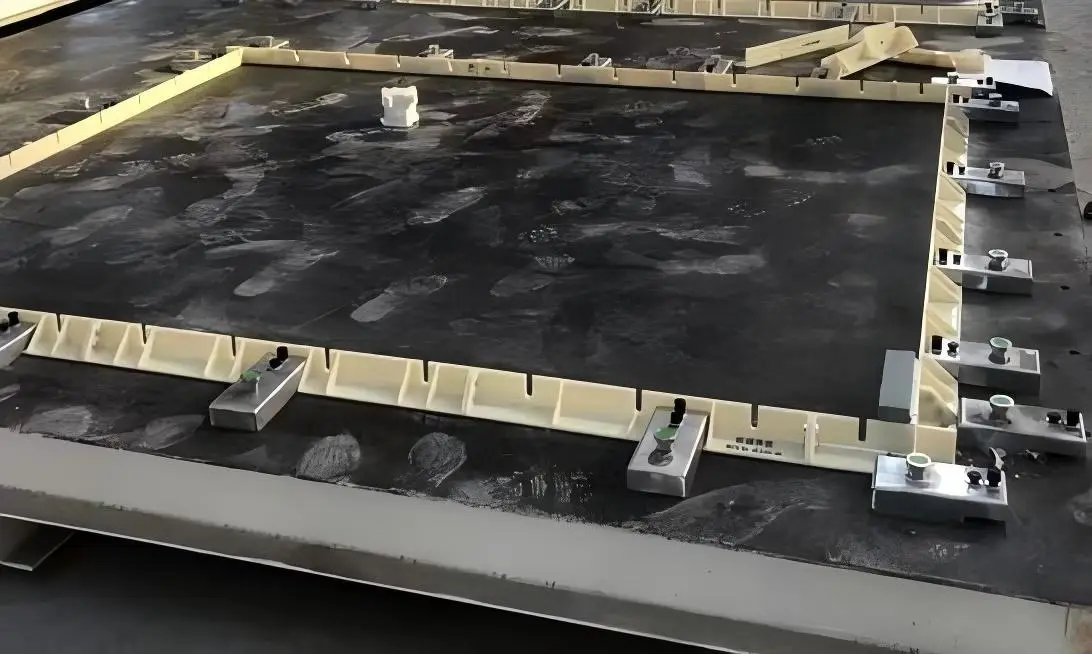
Magnetic Box Maintenance Notice Manual
Before using the magnetic box, check whether the bottom of the magnetic block and the platform are clean and flat.
DETAILS

13 Oct,2026
Magnetic Shuttering: Enhancing Efficiency in Electrical Applications
Magnetic Shuttering: Enhancing Efficiency in Electrical Applications
Table of Contents
1. Introduction to Magnetic Shuttering
2. Understanding the Basics of Magnetic Materials
3. The Role of Magnetic Shuttering in Electrical Applications
4. Key Benefits of Magnetic Shuttering Technology
4.1 Improved Energy Efficiency
4.2 Enhanced Operational Reliability
4.3 Cost-Effectiveness
5. Applications of Ma
DETAILS

Ningbo Yati Metal Products Co., Ltd.
No. 55, Meiliangqiao Village, Hengjie Town, Haishu District, Ningbo City, Zhejiang Province