Exploring the Advantages of Precast Formwork Magnets in Electrical Applications
In the electrical and magnetic materials sector, precast formwork magnets are increasingly recognized for their innovative contributions to construction and fabrication processes. These powerful tools are specifically designed to streamline the installation and alignment of precast concrete elements, significantly improving efficiency and accuracy in various applications. Precast formwork magnets
In the electrical and magnetic materials sector, precast formwork magnets are increasingly recognized for their innovative contributions to construction and fabrication processes. These powerful tools are specifically designed to streamline the installation and alignment of precast concrete elements, significantly improving efficiency and accuracy in various applications.
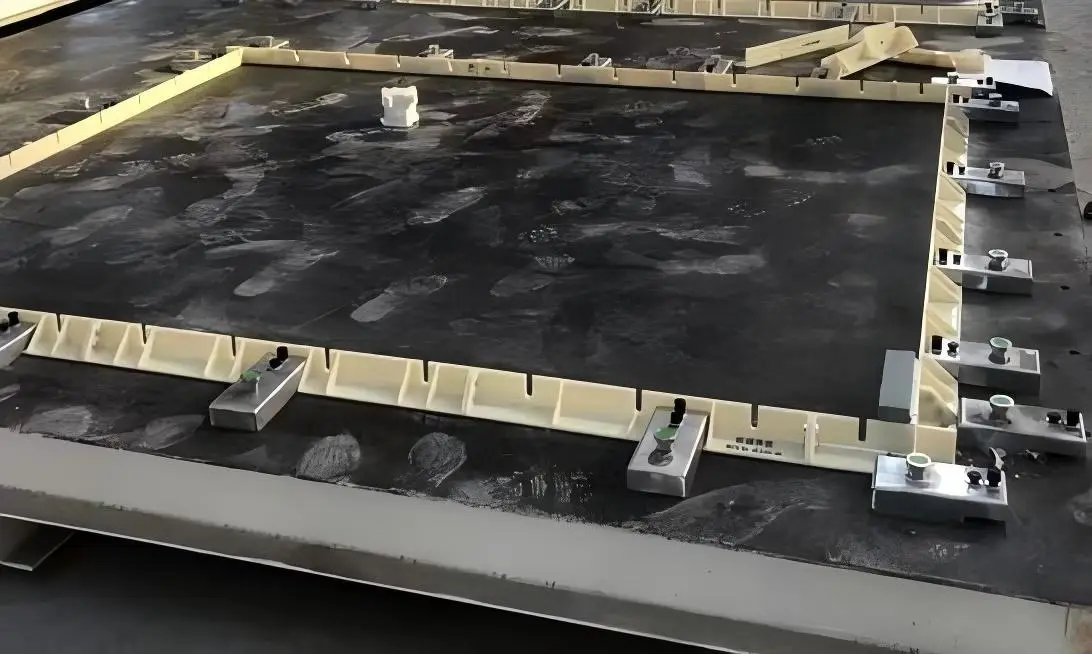
Precast formwork magnets are utilized to hold formwork in place during the curing process of concrete. Their design allows for quick and easy manipulation, enabling workers to adjust the positioning of the molds as needed without requiring extensive manual labor or additional equipment. This versatility makes them an ideal choice for both large-scale projects and smaller installations.
One of the primary advantages of using precast formwork magnets is their ability to enhance productivity. Traditional methods of securing formwork often involve cumbersome mechanical systems or labor-intensive manual processes. In contrast, magnets can be positioned and removed swiftly, allowing for faster cycle times in concrete casting. This increase in speed not only boosts overall project timelines but also reduces labor costs associated with prolonged installation processes.
Moreover, the precision offered by precast formwork magnets is critical in the electrical industry, where the alignment of various components can impact the functionality of the finished product. By providing a secure and stable holding mechanism, these magnets help ensure that all elements are accurately placed, resulting in improved structural integrity and performance. This is particularly important in applications where electrical components must fit perfectly within precast structures, such as in the construction of utility poles or electrical enclosures.
Another important consideration is the durability and reliability of precast formwork magnets. Designed to withstand the rigorous conditions of construction sites, these magnets are often constructed from high-quality materials that resist wear and tear. This longevity translates to fewer replacements over time, which can lead to significant cost savings.
Furthermore, the use of precast formwork magnets aligns with modern trends toward automation and smart construction techniques. As the industry moves toward more advanced methodologies, incorporating these magnets can facilitate the integration of robotic systems and automated processes that further enhance productivity and precision.
In conclusion, precast formwork magnets represent a significant advancement in the electrical and magnetic materials industry, providing valuable benefits in terms of efficiency, precision, and durability. For professionals looking to optimize their construction processes, investing in high-quality precast formwork magnets can lead to improved outcomes and a competitive edge in the market. The ability to streamline workflows while maintaining high standards of accuracy is essential in today’s fast-paced construction landscape.
MORE
18 Jan,2025
Magnetic Box Maintenance Notice Manual
Before using the magnetic box, check whether the bottom of the magnetic block and the platform are clean and flat.
DETAILS

13 Oct,2026
Magnetic Shuttering: Enhancing Efficiency in Electrical Applications
Magnetic Shuttering: Enhancing Efficiency in Electrical Applications
Table of Contents
1. Introduction to Magnetic Shuttering
2. Understanding the Basics of Magnetic Materials
3. The Role of Magnetic Shuttering in Electrical Applications
4. Key Benefits of Magnetic Shuttering Technology
4.1 Improved Energy Efficiency
4.2 Enhanced Operational Reliability
4.3 Cost-Effectiveness
5. Applications of Ma
DETAILS

Ningbo Yati Metal Products Co., Ltd.
No. 55, Meiliangqiao Village, Hengjie Town, Haishu District, Ningbo City, Zhejiang Province