Shuttering Magnets vs Traditional Bolting Systems Which Is Best for Your Formwork
Image Source: statics.mylandingpages.co Shuttering magnets deliver up to 60% faster setup, lower labor costs, and improved safety for repetitive formwork. Traditional bolting systems still win for heavy-load or custom applications. Project teams should evaluate load requirements, repetition rates, and labor availability. This direct comparis

Shuttering magnets deliver up to 60% faster setup, lower labor costs, and improved safety for repetitive formwork. Traditional bolting systems still win for heavy-load or custom applications. Project teams should evaluate load requirements, repetition rates, and labor availability. This direct comparison helps builders select the right system for maximum efficiency and cost savings.
Key Takeaways
- Shuttering magnets speed up formwork setup by 60% and cut labor costs.
- Traditional bolting systems handle heavy loads and custom shapes better.
- Choose based on your project's load, repetition, and labor needs.
What Is a Shuttering Magnet?

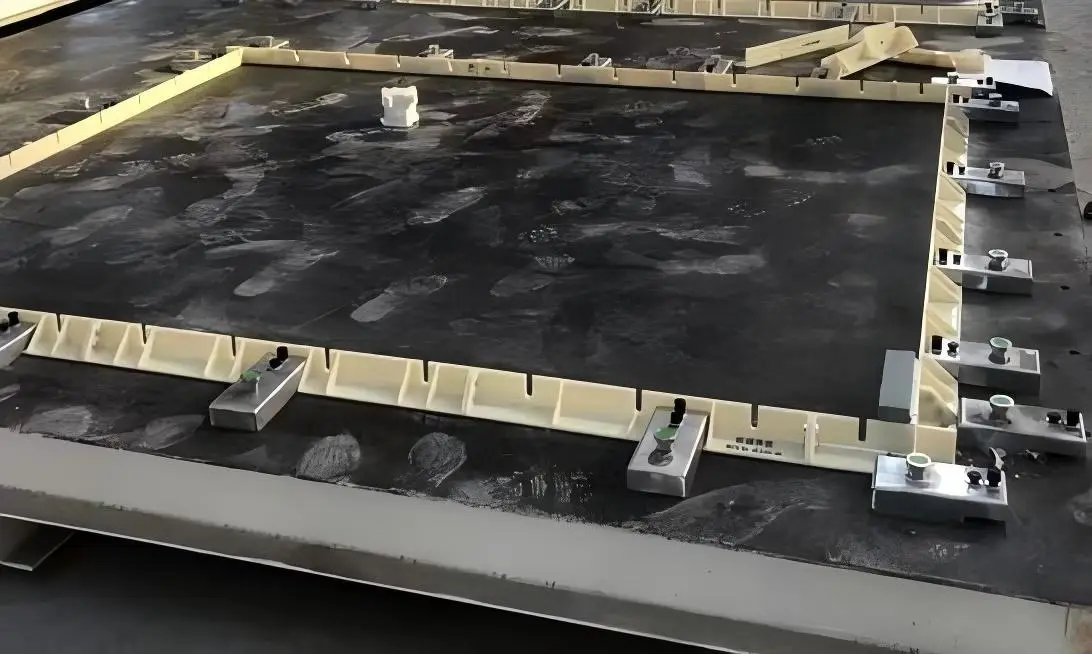
A shuttering magnet is a reusable clamping device that secures formwork to a steel table or pallet using strong magnetic force. These devices replace bolts, clamps, and other mechanical fasteners in many modern casting operations. A shuttering magnet offers a fast, clean, and adjustable solution for holding side rails and bulkheads in place during concrete pours.
How Magnetic Clamping Works
The magnet body contains a powerful rare-earth magnet assembly. A simple lever or button activates the magnetic circuit. The operator places the shuttering magnet on the steel table, positions the formwork rail against it, and engages the magnet. The magnetic force locks the rail firmly to the table surface. This action creates a strong, reliable hold without drilling or bolting. Knowing how to use a shuttering magnet correctly ensures precise alignment and consistent results across repeated cycles.
Manufacturers rate these magnets by adhesive force. Common models range from 450 kg to 2,500 kg.
| Item No. | Adhesive Force (kg) |
|---|---|
| SM-450 | 450 |
| SM-600 | 600 |
| SM-900 | 900 |
| SM-1350 | 1350 |
| SM-1500 | 1500 |
| SM-1800 | 1800 |
| SM-2100 | 2100 |
| SM-2500 | 2500 |

High Forces from 450KG to 2500KG in small body, save the space of your mold extremely
Typical Applications in Precast
Precast concrete production relies heavily on shuttering magnets for repetitive panel casting. These magnets suit wall panels, floor slabs, beams, and columns. The table below matches nominal force ranges to common applications.
| Nominal force range | Possible application |
|---|---|
| 450–600 kg | Low formwork, small concrete elements and light-duty positioning |
| 900–1,000 kg | General precast panels and medium formwork |
| 1,200–1,500 kg | Larger wall panels and higher formwork |
| Above 1,500 kg | Heavy-duty forms and demanding production conditions |
A formwork magnet delivers high holding power in a compact body. This design saves mold space and supports accuracy in every cast. Precast operations benefit from rapid setup, consistent quality, and reduced labor costs.
What Are Traditional Bolting Systems?

How Bolted Formwork Connections Work
Bolted formwork connections rely on mechanical fastening rather than magnetic force. Workers align shuttering panels and insert bolts through pre-drilled or field-drilled holes. Washers distribute the clamping force evenly across the panel surface. Nuts tighten against the washer and panel. This action creates a rigid joint between formwork components.
The traditional bolting system uses threaded rods, high-strength bolts, wing nuts, and steel plates for heavy-duty connections. Operators must access both sides of the formwork. They require wrenches, impact drivers, or torque tools for each bolt. Alignment takes significant time, especially on complex setups. Shuttering with bolted connections demands more labor per fastening point. Each connection requires careful torque control to avoid over-tightening or under-tightening.
Where Bolting Remains Standard
Traditional bolted fixing systems dominate custom formwork applications. Irregular shapes and non-repeating panel layouts benefit from the adjustability of bolts. Heavy-load concrete pours demand the mechanical strength that only bolted connections can provide. High-pressure casting operations require the positive lock that only bolts can deliver reliably. Magnetic systems cannot match this load capacity.
Custom bridge forms, tunnel formwork, and architectural concrete elements often use bolting exclusively. Steel shuttering tables with non-magnetic surfaces cannot accept shuttering magnets at all. Projects with infrequent reuse cycles frequently prefer bolting's lower upfront equipment cost. The initial investment for a traditional bolting system remains significantly lower than a magnetic system. Many shuttering contractors maintain both systems in their inventory. They select the best method for each specific formwork requirement and budget constraint.
Speed, Cost, and Safety Compared
Project teams compare shuttering magnets and traditional bolting systems across three critical dimensions: installation time, worker safety, and long-term maintenance costs. Each factor influences the total cost of ownership and the overall success of a concrete casting operation. A thorough evaluation helps contractors select the right system for their specific production needs.
Installation Time and Labor Savings
Installation speed represents the most significant advantage of magnetic clamping technology. A shuttering magnet locks into position within seconds. Workers simply place the magnet on the steel table, position the formwork rail, and engage the magnetic force. This process requires no drilling, no torque tools, and no access to both sides of the formwork.
Traditional bolting demands far more time and effort. Workers must align panels, insert bolts through pre-drilled holes, attach washers, and tighten nuts to the correct torque. Each connection point requires individual attention. A typical precast concrete panel setup illustrates this difference clearly.
| Method | Setup Time |
|---|---|
| Magnetic | 5–10 minutes |
| Bolting | 30–45 minutes |
The data reveals a dramatic gap in installation efficiency. Magnetic systems complete the same task in a fraction of the time. Shuttering magnet installation finishes within seconds per unit. Bolting requires drilling and tightening with no comparable speed advantage.
Documented labor savings reinforce these findings. Contractors switching from bolting to magnetic formwork report significant reductions in labor time.
| Savings Metric | Value |
|---|---|
| Reduction in formwork installation time (labor time) | 40% to 60% |
| Labor hours saved per pallet setup | Up to 1.5 hours |
These savings compound across every production cycle. A precast plant running multiple casts per day achieves substantial labor reductions over weeks and months. The 40% to 60% reduction in installation time translates directly into lower labor costs and higher production efficiency. Teams complete more casts per shift with the same workforce. This efficiency gain provides a clear competitive advantage for high-volume operations.
Fast installation and disassembly also improve workflow on crowded job sites. Workers spend less time on repetitive fastening tasks. They move quickly between formwork positions. The reduced cycle time allows faster turnover of casting tables and molds. Projects with tight deadlines benefit enormously from this accelerated pace.
Worker Safety and Site Cleanliness
Safety improvements accompany the speed advantages of magnetic systems. Traditional bolting exposes workers to several hazards. Impact drivers and wrenches create noise and vibration. Workers risk pinching injuries when handling heavy bolts and steel plates. Reaching under or around formwork to access bolt connections increases strain and fall risk.
Shuttering magnets eliminate these hazards. Workers engage the magnet with a simple lever or button. No tools contact the formwork surface. No drilling creates flying debris or sharp metal edges. The magnetic hold engages instantly and releases with equal ease. This simple operation reduces the physical demands on workers throughout the shift.
Site cleanliness also improves with magnetic systems. Bolting generates metal shavings from drilling operations. Loose bolts, nuts, and washers scatter across the work area. These small parts create trip hazards and require constant cleanup. Magnetic systems produce no debris. The work area stays organized and clear. Workers avoid the clutter that slows movement and creates accidents.
Enhanced safety extends to the formwork itself. Bolted connections can loosen during vibration from concrete placement. Workers must inspect and retighten bolts throughout the pour. Magnetic clamps maintain their holding force without adjustment. This reliability reduces the need for workers to approach active formwork during dangerous operations.
Maintenance and Reusability
Long-term maintenance costs differ significantly between the two systems. Shuttering magnets require minimal upkeep. The magnetic assembly has no moving parts that wear out quickly. Workers should clean the magnet face after each use to remove concrete residue and metal particles. This simple step preserves holding force and extends service life. Learning how to maintain precast shuttering magnets involves basic cleaning and periodic inspection of the lever mechanism.
Bolted systems demand more extensive maintenance. Threads on bolts and nuts wear with repeated use. Damaged threads reduce clamping force and require replacement. Workers must inspect bolts for deformation, corrosion, and fatigue. Steel plates and washers bend under heavy loads and need periodic replacement. The cumulative cost of replacement hardware adds up over time.
Reusability favors magnetic systems for repetitive operations. A quality shuttering magnet withstands thousands of cycles without significant performance loss. The magnetic force remains consistent across repeated uses. This durability provides excellent return on investment for high-volume precast production.
Bolted connections degrade faster under repeated use. Each tightening cycle stresses the threads and bolt head. Workers must replace bolts regularly to maintain safe clamping force. The labor cost for inspection and replacement adds to the total ownership cost.
Precise alignment becomes easier with magnetic systems over time. Workers develop muscle memory for magnet placement. They achieve consistent positioning without measuring each connection. This repeatability improves accuracy across production runs. Bolted systems require careful alignment for every connection because hole positions may shift after repeated use.
The initial investment for magnetic systems exceeds the cost of basic bolting hardware. However, the labor savings, reduced maintenance, and extended service life offset this upfront premium. Most operations recover the investment within months through reduced labor hours and hardware replacement costs. The long-term financial picture strongly favors magnetic technology for repetitive formwork applications.
Pros and Cons of Each System
Advantages of Shuttering Magnets
A shuttering magnet delivers speed and simplicity on repetitive jobs. Workers place the unit, flip the lever, and the hold engages in seconds. This speed boosts efficiency across every casting cycle. The compact body saves mold space and improves layout accuracy. A shuttering magnet also protects worker safety because no drilling or torque tools are needed. Precast plants reuse each unit for thousands of cycles with minimal wear. The system supports production flexibility when teams switch panel sizes between runs.
Limitations of Shuttering Magnets
Magnetic clamping only works on steel tables or pallets. Non-magnetic surfaces reject the device entirely. A formwork magnet also has a fixed force ceiling. Loads beyond the rated adhesive force cause the magnet to slip under pressure. High-pressure pours and heavy custom forms exceed this limit. The upfront cost per unit runs higher than basic bolting hardware. Dirty magnet faces reduce holding power, so crews must clean them after each use.
Advantages of Traditional Bolting
Bolted connections handle extreme loads without slipping. Workers can adjust bolt positions to fit irregular shapes and custom layouts. The hardware costs little at the start. Bolting works on any surface material, including timber and non-magnetic steel. Modular formwork systems often ship with bolted joints as standard. This method gives crews full control over clamping force at every connection point.
Limitations of Traditional Bolting
Bolting demands far more labor per connection. Workers need access to both sides of the shuttering, which slows assembly on crowded sites. Drilling creates metal debris and trip hazards. Threads wear after repeated cycles, so bolts need regular replacement. Vibration during pours can loosen connections, forcing mid-pour inspections. Precast operations lose speed with every bolted setup.
When a Formwork Magnet Is the Clear Winner
Repetitive Panel Systems and High-Rise Projects
Repetitive panel systems represent the ideal use case for a shuttering magnet. High-rise projects demand fast floor cycles and consistent quality across many levels. Magnetic clamping shines in these conditions because workers repeat the same setup hundreds of times.
Magnets facilitate quick assembly and disassembly of formwork, reducing construction cycles and increasing productivity. This was demonstrated in the construction of a high-rise building.
European high-rise projects using shuttering magnets cut formwork setup time by up to 70 percent while maintaining structural integrity during concrete pouring. Who benefits from shuttering magnets? Contractors running tight schedules and repetitive layouts see the greatest gains. Modular formwork systems pair naturally with magnetic clamps because both prioritize speed and standardization.
Fast-Cycle Precast Production
Precast concrete production achieves remarkable gains with magnetic technology. A formwork magnet eliminates drilling, bolting, and hardware replacement across every cycle. Precast plants switching to magnetic shuttering recover their investment in about three months on average.
| Metric | Traditional Method | Magnetic Formwork | Improvement |
|---|---|---|---|
| Setup time per production run | 2 hours | 30 minutes | 75% reduction |
| Setup and teardown time | N/A | N/A | Up to 40% reduction |
| Production capacity | N/A | N/A | Up to 7x increase |
| Complexity, time, and cost | N/A | N/A | Up to 70% reduction |
High-volume production environments benefit most from this efficiency. Automated production lines and automation investments amplify the speed advantage of magnetic shuttering. Precast operations casting wall panels, floor slabs, and columns achieve consistent production efficiency with fewer labor hours. The table below shows how different precast applications use magnetic solutions.
| Case Study / Project | Magnet Solution Used | Demonstrated Effectiveness |
|---|---|---|
| European high-rise projects | Wewin shuttering magnets | Cut formwork setup time by up to 70% |
| Southeast Asian infrastructure | Wewin magnetic boxes | Enabled reusable formwork in large-scale panel production |
| European and Middle Eastern factories | Weizhong SM-900 shuttering magnets | Achieved 8820N holding force with zero defects |
Precast concrete production teams also reduce steel grinding and maintenance operations by over 30 percent. Energy savings per casting cycle reach up to 25 percent. These numbers demonstrate why magnetic shuttering dominates fast-cycle precast environments.
When Traditional Bolting Still Excels
Magnetic systems dominate repetitive work, yet traditional bolting retains clear advantages in demanding applications. Certain projects demand the mechanical strength and adjustability that only bolted connections provide.
Custom, Irregular, and Heavy-Load Formwork
Custom shapes and irregular layouts challenge magnetic clamping systems. Bolted connections allow workers to position fasteners at any point along the formwork. Curved walls, angled columns, and architectural features require this flexibility. A shuttering magnet offers fixed placement options that cannot match bolted adjustability.
Heavy-load formwork demands mechanical fastening for structural integrity. Bolts distribute clamping force across the entire connection point. This distribution prevents slippage under extreme loads. Precast operations casting massive beams or bridge segments often choose bolted systems for this reason. The positive lock of a threaded connection provides certainty that magnetic force cannot guarantee.
Non-magnetic surfaces also require traditional bolting methods. Timber formwork, aluminum tables, and composite panels reject magnetic devices entirely. Steel shuttering with non-magnetic alloys presents the same limitation. Contractors working with mixed materials keep bolting hardware on hand for these situations.
High-Pressure Concrete Pours
High-pressure pours create forces that exceed magnetic holding capacity. Concrete placement under pressure generates lateral loads against formwork walls. These loads can dislodge magnetic clamps rated below the required force threshold. Bolted connections resist these forces through direct mechanical engagement.
Vibration during concrete consolidation loosens magnetic contact over time. Bolts maintain their clamping force throughout the pour cycle. Workers can verify torque values and retighten connections as needed. This reliability proves essential for walls exceeding three meters in height.
Precast elements with thick sections require bolted connections for safety. The risk of formwork failure during a high-pressure pour justifies the additional labor cost. Project engineers specify bolting when calculated loads approach or exceed magnetic force ratings. Safety margins demand this conservative approach.
Decision Guide: Key Questions for Your Project
Selecting between a shuttering magnet and traditional bolting requires a structured evaluation. Project teams should ask specific questions about load conditions, repetition rates, and available labor. These questions guide the decision toward the system that delivers the best performance and value.
Questions About Load and Pressure
Load capacity stands as the first critical consideration. Engineers must calculate the maximum dynamic load that the formwork will experience during concrete placement. Vibration, hydrostatic pressure, and concrete flow all contribute to these forces. The selected clamping method must resist these loads without failure.
Reputable engineering standards recommend that shuttering magnets be selected with a safety factor of at least 1.5x to 2.0x the maximum calculated dynamic load. For example, if a precast element needs 1,000 kg of lateral resistance to prevent formwork shifting during vibration, the combined shear capacity of the deployed magnets should exceed 1,500 kg to 2,000 kg. This margin should be verified against the supplier's technical data, formwork heights, and vibration frequencies.
Shear force (sliding resistance) is critical because it prevents formwork from expanding outward under hydrostatic pressure from wet concrete. As a general engineering rule, the shear force of a smooth-bottomed shuttering magnet is approximately 30% to 40% of its vertical holding force. Buyers should verify that manufacturers use calibrated tensile testing machines and provide certified test reports demonstrating consistent shear resistance across production batches.
The following table provides general guidance for matching formwork types to rated holding forces.
| Formwork Type | Recommended Rated Holding Force |
|---|---|
| Lightweight profiling | ~450 kg |
| Heavy-duty structural formwork | 2,500 kg or more |
Nominal capacity alone does not guarantee success. Rated force must be matched with shear resistance and vibration conditions. A formwork magnet rated at 1,500 kg may perform well in one application and fail in another. The difference lies in the actual shear demands of the specific pour.
Project engineers should also consider formwork height. Taller formwork creates greater hydrostatic pressure at the base. This pressure translates into higher lateral loads against the clamping system. Walls exceeding three meters in height often require bolted connections or a combination of both systems. The risk of formwork failure increases with height, and safety margins must account for this variable.
Concrete mix design affects load calculations as well. Self-consolidating concrete flows more readily and creates different pressure profiles than standard mixes. High-slump concrete exerts greater hydrostatic pressure at lower depths. These factors influence the required holding force and the choice between magnetic and bolted systems.
Temperature and pour rate also matter. Cold weather slows concrete setting and extends the period of maximum pressure. Rapid pours generate higher dynamic loads. Engineers must factor these conditions into their load calculations. A conservative approach protects workers and prevents costly formwork failures.
Questions About Repetition and Labor
Repetition rate determines the economic advantage of each system. High-repetition projects favor magnetic clamping because the speed advantage compounds across many cycles. Low-repetition projects may not justify the higher upfront cost of magnetic systems.
Project teams should ask how many times the formwork will be assembled and disassembled. A precast concrete production facility running multiple casts per day achieves substantial savings with magnetic systems. The same setup repeats hundreds of times per year. Each cycle saves 40% to 60% in installation time compared to bolting. These savings accumulate rapidly and offset the initial investment within months.
Labor availability influences the decision as well. Magnetic systems require fewer workers per setup. A single operator can position and engage a shuttering magnet in seconds. Bolted connections demand multiple workers, access to both sides of the formwork, and torque tools. Projects facing labor shortages benefit from the reduced manpower requirements of magnetic systems.
Worker skill level also plays a role. Magnetic clamping requires minimal training. Workers learn the basic operation quickly and achieve consistent results. Bolted systems demand more expertise. Workers must understand torque specifications, thread condition, and proper washer placement. Errors in bolted connections can lead to formwork failure and safety incidents.
Site conditions affect the choice between systems. Congested sites with limited access favor magnetic clamping because workers need only one side of the formwork. Bolting requires access to both sides, which becomes difficult in tight spaces. Projects with restricted site access should prioritize magnetic solutions.
The table below summarizes key decision factors for each system.
| Decision Factor | Shuttering Magnet | Traditional Bolting |
|---|---|---|
| Repetition rate | High (100+ cycles) | Low to medium |
| Labor per setup | 1 worker | 2+ workers |
| Access required | One side | Both sides |
| Setup time | Seconds per unit | Minutes per connection |
| Training required | Minimal | Moderate |
| Upfront cost | Higher | Lower |
Production efficiency goals also guide the decision. Operations targeting fast cycle times and high output benefit from magnetic systems. Precast plants with automated production lines achieve the greatest gains. The speed of magnetic clamping aligns with automation investments and supports higher throughput. Teams focused on custom work with irregular shapes may find bolting more practical despite the slower setup.
Future production needs should factor into the decision. A precast operation planning to increase volume should invest in magnetic systems now. The scalability of magnetic clamping supports growth without proportional increases in labor. Bolted systems require more workers to achieve higher output, which increases long-term costs.
Modular formwork systems pair naturally with magnetic clamping. These systems prioritize standardization and speed, which align with the strengths of magnetic technology. Contractors using modular formwork systems should evaluate magnetic clamping as a complementary solution. The combination delivers exceptional efficiency for repetitive panel production.
Maintenance requirements differ between systems and affect long-term costs. Magnetic systems need only basic cleaning and periodic inspection. Bolted systems require regular replacement of worn bolts, nuts, and washers. The labor cost for inspection and replacement adds to the total ownership cost of bolted systems. Operations with limited maintenance resources should consider this factor.
The final question concerns accuracy and consistency. Magnetic systems deliver repeatable positioning because workers place the magnet in the same location each cycle. Bolted systems may experience hole misalignment after repeated use. This misalignment affects panel accuracy and requires corrective action. Projects demanding tight tolerances benefit from the consistency of magnetic clamping.
Project teams should match their specific load profile, repetition rate, and labor resources to the system that delivers the best return. No single answer fits every application.
A thorough evaluation of these questions leads to a confident decision. The right system improves efficiency, reduces costs, and supports safe production. Teams that invest time in this analysis achieve better outcomes on every project.
Shuttering magnets win on speed, safety, and reusability in repetitive, fast-cycle formwork. Traditional bolting wins on load capacity, adjustability, and reliability for custom or heavy-duty pours. Precast teams gain efficiency with a shuttering magnet. Precast crews still need bolting for high-pressure work. Choose based on load profile, repetition, and labor resources.
FAQ
How does a worker choose the right shuttering magnet for a job?
A worker matches the magnet's rated force to the calculated load. The load must stay below the rated capacity. Shuttering with higher pressure demands stronger magnets or bolted connections.
How to maintain precast shuttering magnets for long service life?
Workers clean the magnet face after each use. They remove concrete residue and metal particles. This simple step preserves holding force and extends service life across thousands of cycles.
Who benefits from shuttering magnets the most?
Precast plants and high-rise contractors gain the most. These teams repeat the same formwork setup many times. Fast cycles and low labor costs drive their savings. Learning how to use a shuttering magnet takes only minutes. Accuracy stays consistent across every cast.
MORE
18 Jan,2025
Magnetic Box Maintenance Notice Manual

13 Oct,2026
Magnetic Shuttering: Enhancing Efficiency in Electrical Applications

Ningbo Yati Metal Products Co., Ltd.
No. 55, Meiliangqiao Village, Hengjie Town, Haishu District, Ningbo City, Zhejiang Province