Magnetic Shuttering System - How It Works and Why It Matters
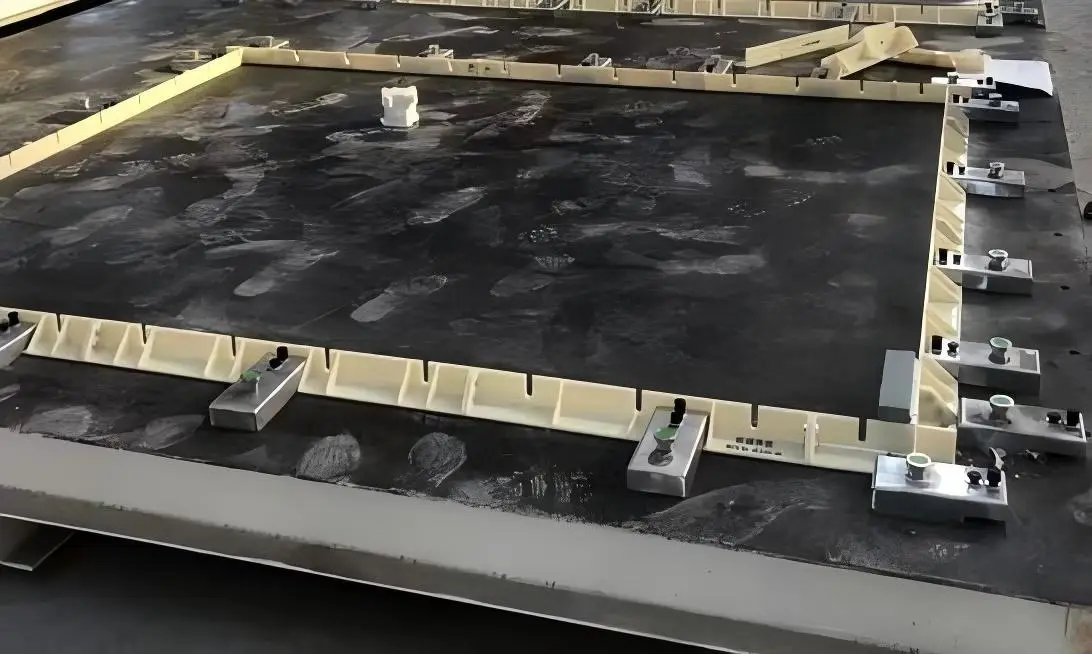
Image Source: statics.mylandingpages.co A magnetic shuttering system uses magnetic force to secure formwork panels on steel surfaces. This formwork system replaces bolts and clamps with shuttering magnets, enabling fast setup on a steel pouring platform. Contractors use it for precast concrete, precast beds, and concrete construction. Shutte

A magnetic shuttering system uses magnetic force to secure formwork panels on steel surfaces. This formwork system replaces bolts and clamps with shuttering magnets, enabling fast setup on a steel pouring platform. Contractors use it for precast concrete, precast beds, and concrete construction. Shuttering magnets save time, improve safety, and reduce formwork damage.
Key Takeaways
- Magnetic shuttering systems use strong magnets to hold formwork in place. This method saves time and avoids drilling holes.
- Clean the steel platform and magnet base before each use. This step ensures maximum holding power and safety.
- Choose the right magnet strength for your project. A 900 kg magnet works for standard walls, while 2100 kg handles heavy structures.
How a Magnetic Shuttering System Works

The Magnetic Holding Principle
A shuttering magnet relies on a magnetic holding principle that concentrates magnetic flux toward a steel surface. Inside the device, a high-performance magnetic circuit forms from neodymium magnets and steel pole pieces. This arrangement directs the magnetic flux downward, generating the intense suction required to hold formwork steady during pouring. The neodymium magnet and steel poles sit with matching polarity on both sides. This configuration concentrates magnetic flux toward the steel casting bed. The concentrated flux produces a strong holding force that keeps steel formwork firmly in place during concrete pouring.
The magnetic force transfers through the steel housing to the casting table. This transfer prevents formwork movement and helps maintain dimensional accuracy. A high-strength magnetic fixing device uses this same principle to secure panels without bolts or clamps. The magnetic holding capacity depends on the quality of the internal array and the cleanliness of the contact surface. Keeping the magnetic array clean is critical for preserving the long-term strength of the shuttering magnet. Proper alignment of the magnetic base also sustains maximum holding performance.
The gap between the bottom of the magnet block and the platform will significantly affect the holding capacity of the shuttering magnet.
The gap between the bottom of the magnet block and the platform will significantly affect the holding capacity of the shuttering magnet.
Even a thin layer of debris or rust creates a gap. That gap weakens the magnetic circuit and reduces holding force. Contractors must clean the steel pouring platform before placing any shuttering magnet. This step ensures the magnetic fixing device achieves its rated holding force.
Key Components of a Shuttering Magnet
A shuttering magnet contains several critical parts. The core permanent magnet material is the neodymium magnet. Manufacturers choose neodymium magnets for their strong magnetic performance. These magnets sit inside a powder-coated steel housing box. The housing provides durability and protection against job site damage.
The spring and release mechanism allows the operator to engage and disengage the magnetic force. This spring and release mechanism typically uses a lever or button. The operator presses the lever to rotate the internal magnet array. Rotation aligns the magnetic poles and activates the holding force. Releasing the lever breaks the magnetic circuit and frees the formwork.
A typical shuttering magnet for precast concrete production delivers a magnetic pull force between 450 KG and 3000 KG. Common models and their adhesive forces include:
- SM-450: 450 KG
- SM-600: 600 KG
- SM-900: 900 KG
- SM-1350: 1350 KG
- SM-1500: 1500 KG
- SM-1800: 1800 KG
- SM-2100: 2100 KG
- SM-2500: 2500 KG
The shear force of a smooth-bottomed shuttering magnet is generally about 30%–40% of its vertical holding force. This shear force resists the formwork expanding outward under hydrostatic pressure from wet concrete. Manufacturers verify shear force using calibrated tensile testing machines with certified batch test reports. A magnet rated at 1,000 N pull force provides an effective shear resistance of roughly 300–400 N. For a 3 m shuttering rail weighing 15 kg under 5g vibration, the lateral inertial force can reach 750 N. Multiple shuttering magnets or additional end stops are needed for safe restraint in this scenario.
Step-by-Step Operation
Operating a shuttering magnet follows a clear sequence. Each step ensures safety and precise alignment.
- Clean the steel pouring platform and the bottom of the shuttering magnet. Remove debris, rust, and concrete residue.
- Position the formwork panel on the steel surface. Align it to the required dimensions.
- Place the shuttering magnet against the formwork edge. The magnet base must sit flat on the steel platform.
- Press the spring and release mechanism to engage the magnetic force. The magnet locks the formwork in place.
- Verify the precise alignment of the formwork before pouring concrete.
- Pour the concrete and allow it to cure.
- Release the spring and release mechanism to disengage the magnet. Remove the formwork and reposition the shuttering magnets for the next cycle.
This process takes seconds per unit. Bolted clamps take minutes per clamp and require threaded holes. Welded profiles take even longer and are not reusable. The table below compares these methods.
| Method | Setup Time | Requires Drilling? | Repositionable? | Automation Compatible? | Electricity Needed? |
|---|---|---|---|---|---|
| Shuttering Magnets | Fast (seconds per unit) | No | Unlimited | Yes (with solenoid versions) | No (manual) / Pulse only (auto) |
| Bolted Clamps | Slow (minutes per clamp) | Yes (threaded holes) | Limited (fixed hole pattern) | Difficult | No |
| Welded Profiles | Very slow | No (but welding required) | Not reusable | No | Yes (welding) |
| Electromagnetic Chucks | Fast | No | Unlimited | Yes | Yes (continuous) |
| Vacuum Clamps | Medium | No | Yes | Limited | Yes (continuous vacuum pump) |
The magnetic shuttering approach eliminates drilling and welding. This saves labor time and protects the formwork surface. Precast concrete production benefits most from this speed. A precast bed can run more cycles per day with shuttering magnets than with bolted clamps. The magnetic force also reduces worker fatigue and injury risk. Workers no longer handle heavy clamps or power tools at awkward angles.
Shuttering Magnet vs. Formwork Magnet: Key Differences
Magnetic System vs. Bolting and Clamping
A shuttering magnet uses neodymium arrays to generate consistent holding force. This force does not weaken under vibration. Traditional screw fixing suffers from false tightening. Different workers apply different torque levels. During concrete vibration, bolts loosen. The formwork shifts. This shifting causes grout leakage from the form base. Honeycombing and weak panel edges result. Magnetic shuttering delivers unyielding resistance. The formwork stays locked in place. Leakage stops. Modern shuttering magnet profiles include integrated chamfer strips. These strips form clean beveled edges without adhesives. Rework disappears. A shuttering magnet requires no drilling. The steel platform stays smooth. Formwork positioning becomes faster and more precise. Shuttering magnets protect the formwork surface. The formwork lasts longer without holes or weld marks. Each shuttering magnet engages in seconds. Screw fixing takes 15 to 30 seconds per point. A shuttering magnet ensures consistent force every time. This reliability distinguishes a shuttering magnet from traditional formwork clamps. Contractors trust a shuttering magnet for vibration resistance.
Main Benefits for Contractors
Shuttering magnets deliver major productivity gains. Tasks needing 30 to 60 minutes now complete in under 10 minutes. Shuttering magnets shorten setup time. Formwork changes that took nearly an hour now take under 15 minutes. Shuttering magnets reduce labor requirements. Shuttering magnets improve alignment precision. The uniform holding force of each shuttering magnet ensures consistent results. Tolerances reach ±1 mm. Shuttering magnets prevent downstream assembly problems. Formwork produces fewer defective panel edges. Timber forms absorb moisture and deform under pressure. A shuttering magnet maintains rigid lines. The concrete cures with accurate dimensions. This precision reduces grinding and patching. Safety improves with shuttering magnets. Precast operations run more cycles per day. The formwork surface stays clean. Shuttering magnets do not damage the formwork.
Who Benefits Most
Precast concrete manufacturers see the highest return. Wall panel production benefits directly. Shuttering magnets secure panels up to massive architectural pieces. Beam and column manufacturing requires precision. Different types of shuttering magnets handle various applications. Corner magnets ensure perfect 90-degree angles. Custom architectural elements benefit from flexibility. Floor slab production uses long bar magnets for continuous edge forms. Infrastructure components also benefit. Precast pipes, manholes, and barriers secure easily on a steel bed. Each precast concrete bed benefits from magnetic holding force. Precast concrete operations that adopt shuttering magnets cut setup time by over 60%. Precast output increases without additional labor. Precast producers gain a competitive edge. Concrete quality improves. Concrete dimensions stay accurate. The key differences between shuttering magnet and formwork magnet approaches favor magnetic systems for steel-based work.
Using, Maintaining, and Choosing Shuttering Magnets
Best Practices for Use and Care
Proper care extends the life of every shuttering magnet. Operators should clean magnets after each use to prevent concrete residue and dust accumulation. A wire brush or scraper removes debris from the magnet base and housing. Wiping surfaces with a cloth ensures optimal contact with steel formwork. Weekly maintenance includes wiping contact faces clean of concrete paste, checking the hex socket for damage, and verifying release torque. Annual maintenance involves inspecting and re-greasing the internal pole-reversal shaft seal. Teams should avoid allowing hardened concrete residue to build up between the magnet face and the pallet. This residue mechanically levers the housing and cracks the rubber sole. A cracked sole leads to surface contact loss and reduced holding force.
| Frequency | Inspection Tasks |
|---|---|
| Daily | Visual damage check; clean working surfaces; activation/deactivation test |
| Weekly | Deep solvent cleaning; check for loose components; verify holding force with a pull gauge |
| Monthly | Apply anti-rust treatment; inspect internal mechanisms; document wear patterns |
What to Look For When Buying
Selecting the right shuttering magnet requires matching holding force to the application. A 900kg magnet suits standard side formwork and lighter wall panels. A 2100kg magnet handles heavier structural elements and higher side forms. Buyers should compare pull force, durability, and application conditions rather than price alone. Surface contact quality matters because rust, paint, or air gaps reduce effective holding force. More holding force usually means a larger, heavier magnet, which affects repositioning speed.
| Item | L (mm) | W (mm) | H (mm) | Pull Force ≥kg |
|---|---|---|---|---|
| GME-450 | 170 | 60 | 40 | ≥450 |
| GME-900 | 280 | 60 | 40 | ≥900 |
| GME-1350 | 320 | 90 | 60 | ≥1350 |
| GME-2100 | 320 | 120 | 60 | ≥2100 |

A magnetic shuttering system replaces bolts and clamps with magnetic force. This approach delivers faster, safer, and cleaner formwork setup. Contractors gain clear improvements in labor time, surface quality, and worker safety. Selecting the right magnet strength and button type for each formwork application ensures the best results. For steel-based concrete work, magnetic shuttering is a practical upgrade. Precast producers and concrete contractors find that the system pays for itself over time. Precast operations benefit most from reduced setup time and consistent formwork alignment.
FAQ
How strong does a shuttering magnet need to be?
Magnet strength depends on the formwork height and concrete pressure. A 900 kg magnet suits standard wall panels. Heavy structural elements require a 2100 kg magnet. Contractors should match pull force to each application.
Can a shuttering magnet damage the steel platform?
No. A shuttering magnet leaves no holes or weld marks on the steel surface. The magnetic base contacts the platform without drilling. This feature protects the platform and extends its service life.
Do shuttering magnets work on rusty or dirty surfaces?
Rust and debris create gaps that weaken the magnetic circuit. Operators must clean the platform before placing any magnet. A clean surface ensures full holding force during precast production.
MORE
18 Jan,2025
Magnetic Box Maintenance Notice Manual

13 Oct,2026
Magnetic Shuttering: Enhancing Efficiency in Electrical Applications

Ningbo Yati Metal Products Co., Ltd.
No. 55, Meiliangqiao Village, Hengjie Town, Haishu District, Ningbo City, Zhejiang Province