Exploring the Cost Benefits of Precast Magnets in Electrical Manufacturing
Exploring the Cost Benefits of Precast Magnets in Electrical Manufacturing Table of Contents Introduction to Precast Magnets The Rise of Precast Magnets in Manufacturing Cost Effectiveness of Precast Magnets Durability and Performance Advantages Versatility of Applications Comparative Analysis with Conventional Magnets Sustainability and Eco-Friendly Considerations FAQs about Precast Magnets Conc
Exploring the Cost Benefits of Precast Magnets in Electrical Manufacturing
Table of Contents
- Introduction to Precast Magnets
- The Rise of Precast Magnets in Manufacturing
- Cost Effectiveness of Precast Magnets
- Durability and Performance Advantages
- Versatility of Applications
- Comparative Analysis with Conventional Magnets
- Sustainability and Eco-Friendly Considerations
- FAQs about Precast Magnets
- Conclusion
Introduction to Precast Magnets
In the realm of electrical manufacturing, **precast magnets** have emerged as a game-changing technology. These magnets, crafted from advanced materials and designed for specific applications, offer numerous benefits over traditional magnetic solutions. As industries seek to optimize production efficiency and reduce costs, understanding the advantages of **precast magnets** becomes crucial.
Precast magnets are custom-made to suit various manufacturing needs, resulting in improved functionality and operational efficiency. They can be integrated seamlessly into products ranging from electric motors to transformers, enhancing performance while maintaining cost-effectiveness.
The Rise of Precast Magnets in Manufacturing
The adoption of precast magnets in electrical manufacturing has surged in recent years. This trend is attributed to several driving factors, including technological advancements, increasing demand for energy-efficient solutions, and a heightened focus on sustainability.
Manufacturers are now prioritizing **precision engineering** and **customization**. Precast magnets are capable of being tailored to meet the specific needs of various applications, allowing for more efficient energy consumption and reduced waste during the manufacturing process. As a result, organizations can achieve **greater operational efficiency** and **cost savings**.
Cost Effectiveness of Precast Magnets
The cost benefits of utilizing precast magnets in electrical manufacturing are substantial. Here are several factors contributing to their cost-effectiveness:
1. Reduced Material Waste
Traditional magnet production often results in significant material waste during the manufacturing process. Precast magnets, on the other hand, are designed to minimize this waste, as they are produced with precision and tailored to specific requirements. This reduction in waste translates to lower overall production costs.
2. Lower Labor Costs
The manufacturing of precast magnets typically requires less labor than conventional methods. Automated production processes streamline the creation of these magnets, reducing the need for extensive manual labor while maintaining high-quality standards. Consequently, companies can allocate resources more effectively, enhancing overall productivity.
3. Long-Term Financial Savings
Investing in precast magnets may require a higher initial outlay compared to traditional magnets. However, the long-term savings accrued through reduced operational costs and improved efficiencies often outweigh the initial investment. This financial strategy positions businesses for sustainable growth and profitability.
Durability and Performance Advantages
Precast magnets offer superior durability compared to traditional magnetic materials. The following aspects highlight their performance advantages:
1. Increased Resistance to Environmental Factors
Precast magnets are engineered to withstand various environmental conditions, including temperature fluctuations, humidity, and corrosive elements. This resilience ensures that they maintain their magnetic properties over time, resulting in fewer replacements and repairs.
2. Enhanced Magnetic Strength and Stability
The innovative materials used in the creation of precast magnets provide increased magnetic strength and stability. This enhancement leads to improved performance in electrical applications, ultimately contributing to greater energy efficiency and reduced operational costs.
3. Consistent Performance Over Time
Unlike traditional magnets, which can degrade in performance due to wear and tear, precast magnets retain their effectiveness throughout their lifespan. This reliability is essential in high-demand manufacturing environments, where consistent performance is critical for success.
Versatility of Applications
The versatility of precast magnets positions them as a valuable asset in various facets of electrical manufacturing. Their adaptability allows for utilization in numerous applications, such as:
1. Electric Motors
Precast magnets play a pivotal role in enhancing the efficiency and performance of electric motors. By integrating these magnets, manufacturers can create motors that operate with greater energy efficiency and reduced energy consumption.
2. Transformers
In transformers, precast magnets contribute to improved magnetic coupling and reduced losses. This enhancement is crucial for ensuring efficient power transfer and reducing operational costs.
3. Sensors and Actuators
The precision and customization of precast magnets make them ideal for use in sensors and actuators. Their reliability and consistent performance ensure that these components operate effectively, providing accurate readings and responses.
Comparative Analysis with Conventional Magnets
When comparing precast magnets to conventional magnetic materials, several key differences illustrate the superiority of precast solutions:
1. Production Efficiency
Conventional magnets often require complex manufacturing processes that can be time-consuming and costly. In contrast, precast magnets can be produced more efficiently, allowing for quicker turnaround times and reduced lead times.
2. Customization Potential
While conventional magnets may offer standard shapes and sizes, precast magnets can be tailored to meet the specific needs of unique applications. This customization enhances functionality and ensures optimal performance.
3. Overall Cost-Effectiveness
Overall, the cost-effectiveness of precast magnets shines when considering the value they bring to electrical manufacturing. The reduction in waste, labor, and maintenance costs positions them as a superior choice for modern manufacturers seeking to enhance their competitive edge.
Sustainability and Eco-Friendly Considerations
As industries increasingly prioritize sustainability, precast magnets provide an environmentally-friendly alternative to conventional magnets. Here are several eco-friendly advantages:
1. Reduced Carbon Footprint
The efficient manufacturing processes associated with precast magnets often result in a lower carbon footprint compared to traditional production methods. By minimizing waste and energy consumption, businesses can contribute to a more sustainable future.
2. Recyclability of Materials
Many precast magnets are produced from recyclable materials, ensuring that they can be repurposed at the end of their lifespan. This circular approach aligns with global sustainability goals and promotes responsible manufacturing practices.
3. Energy-Efficient Operations
By integrating precast magnets into electrical manufacturing processes, companies can achieve greater energy efficiency. This aspect not only reduces operational costs but also supports environmental initiatives aimed at reducing energy consumption.
FAQs about Precast Magnets
1. What are precast magnets made of?
Precast magnets are typically made from advanced magnetic materials that can be tailored to specific applications. Common materials include ferrite, neodymium, and SmCo alloys.
2. How do precast magnets compare to conventional magnets?
Precast magnets offer numerous advantages, including reduced material waste, enhanced performance, and customization potential, making them a superior choice in many applications.
3. Are precast magnets environmentally friendly?
Yes, precast magnets are often produced with eco-friendly materials and processes, resulting in a lower carbon footprint and improved recyclability.
4. Can precast magnets be used in high-temperature applications?
Many precast magnets are designed to withstand high temperatures, making them suitable for demanding applications such as electric motors and transformers.
5. What industries benefit from precast magnets?
Precast magnets are used across various industries, including automotive, aerospace, renewable energy, and consumer electronics, providing benefits in performance and cost efficiency.
Conclusion
The exploration of precast magnets in electrical manufacturing reveals significant cost benefits and performance advantages that cannot be overlooked. From reduced material waste and labor costs to enhanced durability and versatility, precast magnets represent a critical advancement in manufacturing technology.
As industries continue to seek innovative solutions to remain competitive, precast magnets provide a pathway toward greater efficiency and sustainability. By embracing these modern magnetic materials, manufacturers can position themselves for success in an evolving marketplace, ultimately achieving higher profits and contributing to a greener future.
MORE
18 Jan,2025
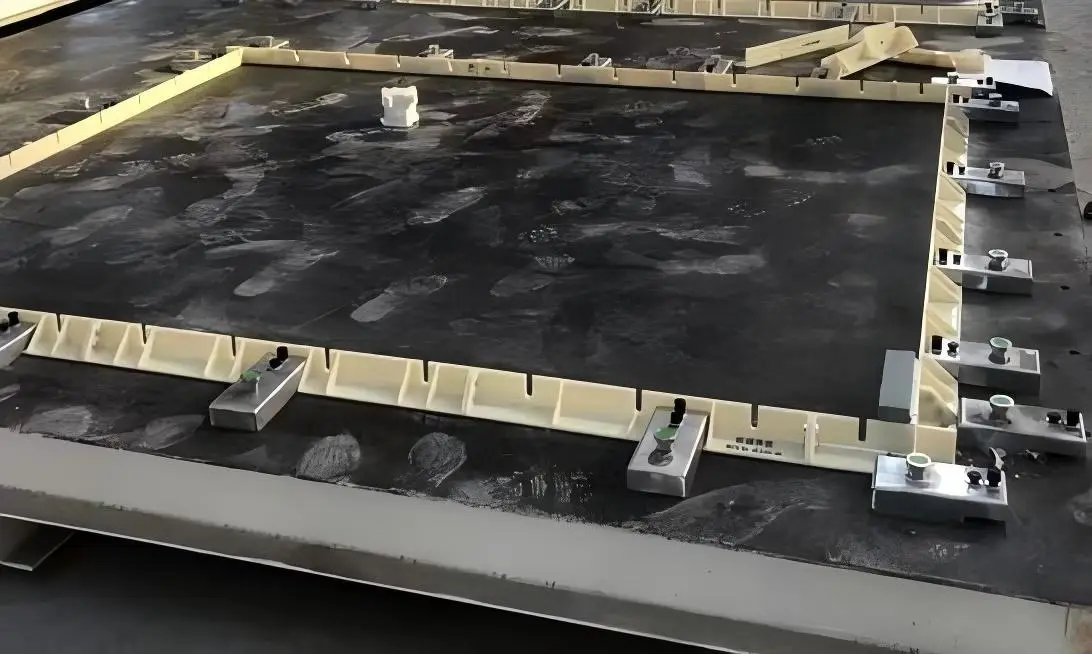
Magnetic Box Maintenance Notice Manual
Before using the magnetic box, check whether the bottom of the magnetic block and the platform are clean and flat.
DETAILS
13 Oct,2026
Magnetic Shuttering: Enhancing Efficiency in Electrical Applications
Magnetic Shuttering: Enhancing Efficiency in Electrical Applications
Table of Contents
1. Introduction to Magnetic Shuttering
2. Understanding the Basics of Magnetic Materials
3. The Role of Magnetic Shuttering in Electrical Applications
4. Key Benefits of Magnetic Shuttering Technology
4.1 Improved Energy Efficiency
4.2 Enhanced Operational Reliability
4.3 Cost-Effectiveness
5. Applications of Ma
DETAILS

Ningbo Yati Metal Products Co., Ltd.
No. 55, Meiliangqiao Village, Hengjie Town, Haishu District, Ningbo City, Zhejiang Province