Why Precast Concrete Magnets Are the Hottest Trend in 2026
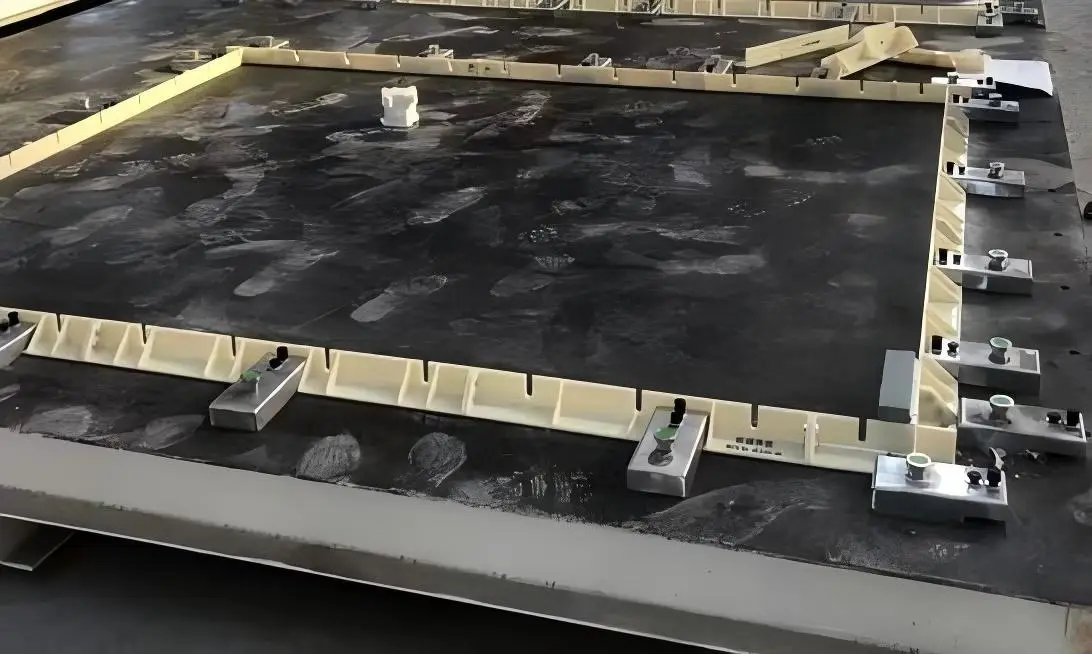
Image Source: statics.mylandingpages.co The 2026 labor shortage forces crews to do more with fewer hands. Precast magnets cut setup time in half. Producers need beds stripped and reset in hours, not days. Magnetic formwork is the only way to keep up. New precast concrete magnet technology delivers holding forces that rival bolted systems. Th

The 2026 labor shortage forces crews to do more with fewer hands. Precast magnets cut setup time in half. Producers need beds stripped and reset in hours, not days. Magnetic formwork is the only way to keep up. New precast concrete magnet technology delivers holding forces that rival bolted systems. These precast concrete magnets require zero drilling and cause no bed damage. Precast magnets have jumped from niche upgrade to standard equipment. Precast magnets now drive precast construction across the industry.
Key Takeaways
- Precast concrete magnets cut setup time by half and boost plant output.
- They protect steel beds from damage and last for many years.
- Workers learn to use them in one shift with no special skills.
The Formwork Revolution Is Here

Goodbye Clamps, Bolts, and Drilling
Traditional precast concrete formwork relies on welding and bolting to secure molds. These methods damage casting beds through drilling, thermal deformation, and weld slag residue. The table below compares fixing methods across key performance metrics.
| Fixing Method | Setup Time per Point | Risk to Casting Bed | Initial Cost per Point | Reusability Rate | Formwork Flexibility |
|---|---|---|---|---|---|
| Neodymium Magnets | 5–10 seconds | Zero (non-destructive) | $40–$150 (asset) | High (>5 years) | Infinite / continuous |
| Welding | 5–10 minutes | Severe (warping/pitting) | <$5 (consumable) | Single-use | High / continuous |
| Bolting | 3–5 minutes | High (drilling holes) | <$10 (hardware) | Moderate | Low (fixed grid) |
Welding and bolting carry lower upfront consumable costs. Their hidden expenses—destroyed beds and excessive labor hours—make them economically inefficient for modern high-throughput plants.
How Magnetic Shuttering Actually Works
A formwork magnet uses neodymium core technology to create powerful holding forces. These magnetic fixtures attach directly to steel casting beds without drilling or welding. Operators position and hold formwork in seconds using a simple release lever. The functions of precast concrete magnets include rapid repositioning, millimeter-level adjustment, and secure fixation during concrete pouring. Modern precast magnet technology now delivers holding forces up to 3,100 kg (approximately 6,834 lb). This force level rivals bolted connections. Reinforced grade magnets achieve pull forces between 12,000 and 15,000 lb. The MagFly AP magnet reaches adhesive forces up to 22,000 N. These advances make shuttering magnets as effective as traditional methods.
Precast magnets securely attach to the metal framework with powerful magnetic force, eliminating the need for traditional clamping methods. This speeds up formwork installation and allows for easy adjustments and repositioning.
Why 2026 Is the Tipping Point
Labor shortages have reached critical levels across major industrial markets. Annual wage increases in precast plants now range from 8% to 12%. Traditional shuttering historically consumed up to 30% of total pallet cycle time. Magnetic formwork reduces installation time by 40% to 60%. Plants using magnet formwork report a 15% to 20% boost in total capacity. Dimensional defect rates drop from approximately 3% to under 0.5%. The precast concrete manufacturing process now demands speed that only precast concrete magnets can deliver. Precast magnets deskill setup, letting general workers achieve precise placement without specialized training. This capability addresses the persistent shortage of certified welders and experienced formwork carpenters. Precast concrete magnets preserve capital equipment worth $50,000 to $100,000 by extending bed lifespan an average of 3 to 5 years. The convergence of labor scarcity, demand for speed, and leapfrog improvements in precast concrete formwork technology makes 2026 the definitive tipping point.
Top Benefits Driving the Trend
Faster Setups and Stripping
Precast concrete magnets reduce bed preparation time dramatically. Traditional drilled or welded formwork requires 45 to 60 minutes per panel. Magnetic formwork completes the same task in 10 to 15 minutes. The efficient installation process removes waiting periods entirely. Operators position and lock precast concrete magnets in seconds. This speed boosts construction efficiency across the plant.
| Operational Metric | Traditional Formwork | Magnetic Formwork |
|---|---|---|
| Bed Preparation Time | 45–60 min per panel | 10–15 min per panel |
| Casting Bed Lifespan | 3–5 years | 10+ years |
| Consumable Waste | High | Near zero |
Reusable Hardware, Lower Costs
The economic strength of precast magnets comes from their reusability and durability. Screws wear out, strip threads, and permanently damage steel casting tables through repeated drilling. Magnets, when properly maintained and kept clean, generally have a longer service life. Magnetic systems require no drilling into the steel casting table, protecting the surface and reducing long-term wear. The reusability and durability of precast magnets deliver sustained savings across years of production.
Fewer Injuries, Safer Beds
Tack welding forms directly to the bed causes thermal distortion, pitting, and scarring. Repairing this damage requires intensive grinding, patching, and eventually, complete resurfacing or replacement of the steel bed. Precast magnets use non-destructive magnetic adhesion that keeps casting tables pristine. This drastically reduces maintenance downtime and preserves panel surface finish. Workers avoid welding burns, clamping strains, and drill kickback injuries. Easy installation and removal keep crews safe and production uninterrupted.
Cleaner Panels, Less Repair
Each precast concrete magnet delivers precision and consistency that welded systems cannot match. Formwork alignment remains stable throughout pouring. This eliminates shifting that creates dimensional defects. Precast magnets hold formwork securely throughout the pour. The result: panels with smooth surfaces and sharp edges requiring minimal patching. This precision lowers finishing costs and raises first-pass quality rates.
The 5 Best Precast Concrete Magnets of 2026
The market for precast concrete magnets has exploded in 2026. Producers face a dizzying array of options. Each product targets different bed types, formwork materials, and production volumes. This section breaks down the five best precast concrete magnets of 2026. The analysis covers holding force, durability, and real-world application. These common precast concrete magnets represent the current pinnacle of precast magnet technology.
HILTI MMS 6
HILTI built its reputation on jobsite reliability. The MMS 6 continues that tradition with a magnetic shuttering system designed for heavy steel beds. This precast concrete magnet delivers a holding force of 850 kg (1,874 lb) per unit. The MMS 6 uses a double-magnet core that doubles contact surface area. Operators activate the magnet with a single lever pull. The lever mechanism requires only 15 kg of force to engage. This design reduces operator fatigue during long shifts.
The MMS 6 shines in high-volume plants. Its sealed housing prevents concrete slurry from entering the magnet core. This protection extends service life beyond 10,000 cycles. The magnet weighs 5.2 kg (11.5 lb). Workers can reposition it easily without mechanical aids. HILTI offers a full accessory line for the MMS 6. These accessories include adapters for plywood formwork and steel walers. The MMS 6 costs approximately $180 to $220 per unit. This price point positions it as a premium option for plants that demand maximum uptime.
Magna-Tech 2000
Magna-Tech designed the 2000 model for battery molds and tilting tables. This precast concrete magnet generates 2,000 kg (4,409 lb) of holding force. The unit features a patented cam-release mechanism. Operators disengage the magnet with a quarter-turn of a hex key. This quick-release design cuts stripping time by an additional 20% compared to lever-based systems.
The Magna-Tech 2000 targets precast panels with thicknesses from 100 mm to 400 mm. Its low-profile body measures just 45 mm in height. This slim profile allows formwork to sit flush against the bed surface. The magnet housing uses stainless steel construction. This material choice prevents corrosion in humid plant environments. Magna-Tech rates the 2000 for 15,000 cycles. The company backs this claim with a three-year warranty. The Magna-Tech 2000 costs $250 to $300 per unit. Plants with high-mix production schedules will find this magnet particularly valuable.
Great Magtech GME Button Magnet Series
Great Magtech engineered the GME Button Magnet Series for versatility. These common precast concrete magnets fit nearly every formwork profile. The button design features a compact 60 mm diameter base. This small footprint allows placement in tight corners and around embedded items. Each button magnet delivers 450 kg (992 lb) of holding force. The series includes models with 300 kg, 450 kg, and 600 kg capacities.
The GME Button Magnet Series excels in precast concrete formwork with complex geometries. Its threaded center hole accepts standard M12 bolts. This feature lets crews attach custom brackets and spacers directly to the magnet. The button series uses rare-earth neodymium cores. These cores maintain full strength across temperature ranges from -40°C to 80°C. Great Magtech sells the GME Button Magnet Series in packs of 10. A pack costs $400 to $550. This pricing makes the series accessible for small and mid-sized plants. The reusability and durability of these magnets deliver years of dependable service.
Great Magtech GME Heavy-Duty Shuttering Magnet
Great Magtech also produces a heavy-duty option for demanding pours. The GME Heavy-Duty Shuttering Magnet generates 2,500 kg (5,511 lb) of holding force. This capacity handles tall panels and high-slump concrete mixes. The magnet body uses a reinforced steel casing. This casing withstands impact from concrete buckets and rebar cages.
The heavy-duty model features a dual-lever release system. Two levers distribute the release force evenly across the magnet core. This design prevents jamming and reduces wear on internal components. The GME Heavy-Duty Shuttering Magnet weighs 12 kg (26.5 lb). Its weight provides stability during formwork positioning. Great Magtech recommends this magnet for beds producing panels thicker than 300 mm. The unit costs $350 to $420. Plants that cast heavy structural elements will find this magnet indispensable.
Magnetbau-Schramme Adaptive Flex Magnet
Magnetbau-Schramme introduced the Adaptive Flex Magnet for irregular formwork shapes. This precast concrete magnet uses a flexible magnetic base. The base conforms to curved and angled steel surfaces. Traditional flat magnets lose holding force on uneven beds. The Adaptive Flex Magnet maintains full contact and full strength.
The Flex Magnet delivers 1,200 kg (2,645 lb) of holding force on flat surfaces. On curved surfaces with a radius down to 500 mm, it maintains 900 kg (1,984 lb). This performance opens new design possibilities for architectural precast. The magnet uses a segmented core design. Individual segments move independently to match bed contours. Magnetbau-Schramme includes a protective magnet box with each unit. This magnet box shields the core during storage and transport. The Adaptive Flex Magnet costs $500 to $600 per unit. Its specialized capabilities justify the premium price for plants producing curved or textured panels.
| Magnet Model | Holding Force | Best Application | Price Range | Cycle Rating |
|---|---|---|---|---|
| HILTI MMS 6 | 850 kg (1,874 lb) | Heavy steel beds | $180–$220 | 10,000+ |
| Magna-Tech 2000 | 2,000 kg (4,409 lb) | Battery molds, tilting tables | $250–$300 | 15,000 |
| GME Button Magnet Series | 300–600 kg (661–1,323 lb) | Complex geometries | $400–$550 (10-pack) | 8,000+ |
| GME Heavy-Duty Shuttering Magnet | 2,500 kg (5,511 lb) | Tall panels, high-slump mixes | $350–$420 | 12,000+ |
| Magnetbau-Schramme Adaptive Flex | 1,200 kg (2,645 lb) flat / 900 kg (1,984 lb) curved | Curved and angled formwork | $500–$600 | 10,000+ |
Real-World Results
Case Study: 40% Faster Bed Turnaround
A mid-sized precast plant in Ohio adopted precast magnets across its eight production beds. The plant previously relied on bolted formwork systems. Each bed required 90 minutes for stripping and resetting. The transition to magnetic formwork reduced this time to 54 minutes. This 40% improvement freed 36 minutes per bed per cycle. The plant added two extra pours per week without overtime. The switch required no changes to the plant's mixing or curing schedules. Precast concrete magnets delivered this gain with zero bed damage. The plant estimated annual savings of $180,000 in labor and bed maintenance costs.
Case Study: Cutting Labor Hours Per Panel
A Texas producer tracked labor hours before and after adopting magnetic shuttering. Each panel required 4.5 hours of formwork labor under the old drilling method. The same task with precast concrete magnets required 2.7 hours. This 40% labor reduction saved the company 1.8 hours per panel. The plant produced 200 panels per week. The weekly labor savings totaled 360 hours. The plant reassigned these hours to reinforcement and finishing tasks. Precast magnets helped the company absorb a 12% wage increase without raising panel prices. The switch paid for itself in four months.
What the Numbers Say Across Projects
Data from 12 plants using precast magnets revealed consistent patterns. Each precast concrete magnet delivered reliable holding force across thousands of cycles. Average bed turnaround time dropped 38% across all sites. Labor hours per panel fell 35% to 45%. Plants reported a 95% reduction in formwork-related quality rework. The precision and consistency of magnetic formwork eliminated alignment errors. Overall construction efficiency improved by 18% to 22%. Dimensional accuracy improved to within 1 mm tolerances. The numbers confirmed that precast magnets delivered measurable, repeatable results. Plants that adopted precast magnets early gained a competitive advantage in their regional markets.
How to Integrate Magnets Into Your Workflow
Matching Magnet Strength to Formwork Type
Magnet selection starts with the pour. Crews must match pull-off force to the height and weight of the concrete. Thin wall panels work well with lighter magnetic boxes. Heavy structural beams demand high-power integrated shuttering systems. Bar magnets suit linear elements. Smaller boxes handle complex shapes and block-outs. Stainless steel or nickel-coated precast concrete magnets resist corrosion. Professional release tools prevent leverage damage during demolding. This compatibility with formwork keeps every bed productive.
| Factor | Shuttering Magnet | Formwork Magnet |
|---|---|---|
| Best for | Standard wall panels, flat steel casting tables | Beams, columns, complex formwork |
| Force distribution | Concentrated at one point | Distributed along the formwork |
| Initial cost | Lower | Higher |
Using Magnets for Electrical Conduit and Electric Box Fixing
Electrical conduit and electric box fixing becomes simple with magnets. Precast magnets hold electrical boxes on steel casting beds. The boxes stay put during pouring and vibration. Removal leaves a clean recess for the electrical box. Electrical conduit fixing magnets create voids for embedding electrical conduits. Conduit fixing magnets attach directly to steel formwork without drilling. Electric box fixing magnets ensure accuracy across repeated molds. Crews place electrical conduits and electrical conduit runs before the pour. Electric box fixing magnets speed every electrical conduit and electrical conduit placement. Precast magnets make electrical conduit and electric box fixing repeatable. Electrical conduit fixing magnets and conduit fixing magnets cut setup time. Electric box fixing magnets improve electrical conduit and electrical conduit accuracy. Precast magnets simplify electrical conduit and electric box fixing on every bed.
Training Crews in a Single Shift
Magnetic systems deskill formwork setup. General workers learn placement in one shift. Trainers demonstrate lever engagement and release. Trainees practice on a single bed. Most crews reach full speed within four hours.
Maintenance and Storage That Extend Life
Proper care extends magnet life for years.
- Clean magnets after each use with a wire brush or scraper.
- Inspect for cracks, dents, and release mechanism damage.
- Store magnets in a dry, temperature-controlled environment below 80°C.
- Apply anti-rust oil to the magnet base for long-term storage.
- Keep magnets away from alkali and strong acids.
- Do not stack magnets directly on one another.
2026 marks the tipping point for precast magnets. Labor shortages, speed demands, and magnet technology improvements converged. The five precast concrete magnets fit any bed, budget, and formwork type. Precast magnets work with steel, plywood, and battery molds. Precast magnets offer significant cycle-time savings. Producers should start with one bed and measure these savings. They can then scale across the plant. Contractors who adopt precast magnets now set the pace. Those who wait will chase.
FAQ
Do precast concrete magnets work on all casting bed materials?
Magnets require ferromagnetic beds. Steel casting tables deliver full holding force. Aluminum and wooden beds need steel backing plates. Producers should verify bed material before purchasing magnetic formwork systems.
How much do precast concrete magnets cost per bed?
A typical bed needs 20 to 40 magnets. Unit prices range from $40 to $600. Plants spend $2,000 to $15,000 per bed. Most operations recover this cost within four to six months.
Can crews use magnets with plywood formwork?
Yes. Adapters and steel walers let magnets secure plywood forms. The magnet attaches to the steel bed. The adapter grips the plywood edge. This setup delivers reliable holding force for wood formwork.
MORE
18 Jan,2025
Magnetic Box Maintenance Notice Manual

13 Oct,2026
Magnetic Shuttering: Enhancing Efficiency in Electrical Applications

Ningbo Yati Metal Products Co., Ltd.
No. 55, Meiliangqiao Village, Hengjie Town, Haishu District, Ningbo City, Zhejiang Province