Top Advantages of Using Magnetic Shuttering in Your Projects
Top Advantages of Using Magnetic Shuttering in Your Projects Introduction to Magnetic Shuttering Magnetic shuttering has revolutionized the construction industry, presenting a modern solution that offers numerous advantages over traditional shuttering techniques. With the increasing demand for efficiency, safety, and cost-effectiveness in construction, magnetic shuttering stands out as a tool that
Top Advantages of Using Magnetic Shuttering in Your Projects
Introduction to Magnetic Shuttering
Magnetic shuttering has revolutionized the construction industry, presenting a modern solution that offers numerous advantages over traditional shuttering techniques. With the increasing demand for efficiency, safety, and cost-effectiveness in construction, magnetic shuttering stands out as a tool that enhances productivity while simplifying the building process.
What is Magnetic Shuttering?
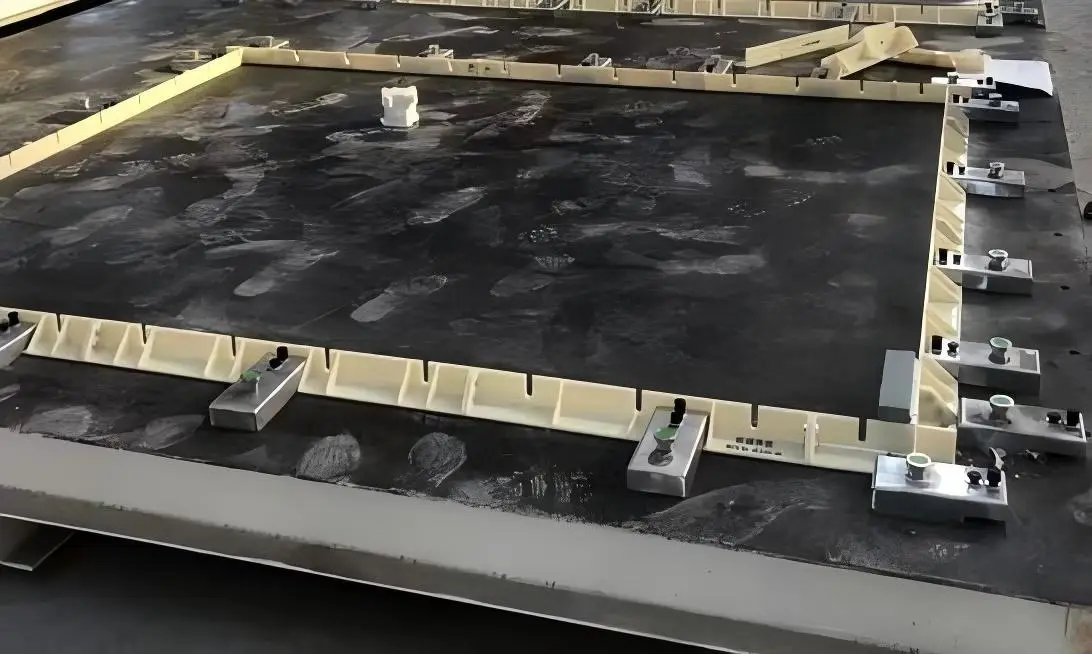
Magnetic shuttering refers to the use of magnetic forces to adhere shuttering panels to the substrate, usually concrete. This innovative approach enables quick setup and tear-down of formwork, which is essential in large-scale construction projects. The magnetic panels can be easily repositioned without the need for additional tools, enhancing the speed and flexibility of construction operations.
How Magnetic Shuttering Works
The principle behind magnetic shuttering involves the use of powerful magnets embedded within the shuttering panels. These magnets create a strong bond with the steel formwork or concrete surfaces, eliminating the need for traditional clamps or fasteners. This ensures that the panels remain securely in place during the pouring of concrete, providing a smooth and accurate finish.
Key Advantages of Magnetic Shuttering
1. Enhanced Efficiency and Speed
One of the primary advantages of magnetic shuttering is its ability to significantly reduce the time required for setup and breakdown. Traditional shuttering methods often involve complex assembly and disassembly processes, whereas magnetic shuttering allows for quick attachment and removal. This efficiency translates to faster project completion times, enabling contractors to take on more jobs without compromising quality.
2. Cost-Effectiveness
While the initial investment in magnetic shuttering may be higher than conventional forms, the long-term savings are substantial. Reduced labor costs, decreased material wastage, and less downtime contribute to overall project savings. In addition, the durability of magnetic panels means they can be reused multiple times, further lowering costs over time.
3. Improved Safety Standards
Safety is paramount on construction sites, and magnetic shuttering enhances safety measures. The secure attachment of shuttering panels minimizes the risk of accidents associated with loose or unstable forms. Furthermore, the lack of cumbersome fasteners reduces tripping hazards on site, creating a safer working environment for construction crews.
4. Versatility in Applications
Magnetic shuttering is not limited to a specific type of project; it can be utilized in a wide array of applications, including residential, commercial, and industrial construction. Whether for walls, ceilings, or complex architectural designs, magnetic shuttering adapts easily to various shapes and sizes, offering unparalleled versatility to builders and architects.
Customization Options
The magnetic shuttering system can also be customized to meet specific project needs. Panels can be designed in various sizes and shapes, allowing for unique configurations tailored to the demands of each project. This customization leads to better alignment and a more polished end product.
5. High-Quality Finish
The precision offered by magnetic shuttering contributes to a superior finish in concrete structures. With panels firmly attached, there is minimal risk of concrete spilling or leaking, which can lead to surface imperfections. The result is smoother walls and surfaces that require less finishing work, saving both time and resources.
6. Environmentally Friendly Option
In an era where sustainability is increasingly important, magnetic shuttering presents an eco-friendly alternative. The longevity of the materials coupled with reduced waste and the ability to reuse components aligns with green building practices. By minimizing the need for disposable formwork, magnetic shuttering contributes to a more sustainable construction process.
Challenges and Considerations
1. Initial Investment
While the cost savings are significant in the long run, the initial investment in magnetic shuttering systems can be a barrier for some contractors. It is essential to evaluate the potential return on investment (ROI) based on project volume and frequency of use.
2. Training and Familiarization
Adopting magnetic shuttering technology may require training for the workforce accustomed to traditional methods. Ensuring that staff are comfortable and knowledgeable about the system is crucial for maximizing its benefits.
Real-World Applications of Magnetic Shuttering
1. Commercial Buildings
In commercial construction, where timelines are critical, magnetic shuttering proves invaluable. Large office buildings and retail spaces benefit from the rapid assembly and disassembly of magnetic panels, enabling contractors to meet tight schedules without sacrificing quality.
2. Residential Projects
For residential constructions, magnetic shuttering offers builders the ability to create customized designs with precision. Homeowners appreciate the attention to detail and high-quality finishes achievable through this innovative method.
3. Infrastructure Development
Infrastructure projects such as bridges and highways utilize magnetic shuttering to ensure safety and efficiency. The robust nature of the panels withstands the rigors of larger-scale constructions and complex shapes, making them ideal for such applications.
Frequently Asked Questions (FAQs)
1. What types of materials are used in magnetic shuttering?
Magnetic shuttering materials typically include high-quality steel and durable magnets, ensuring strength and longevity. The specific combination may vary depending on the manufacturer and intended application.
2. Can magnetic shuttering be used for curved surfaces?
Yes, magnetic shuttering can be customized for various shapes, including curved surfaces, making it versatile for complex architectural designs.
3. How does magnetic shuttering compare to traditional methods?
Magnetic shuttering offers faster setup times, improved safety, and enhanced finish quality compared to traditional shuttering methods, making it a more efficient choice for many projects.
4. Is magnetic shuttering suitable for both small and large projects?
Absolutely. Magnetic shuttering is adaptable and can be utilized effectively in small residential projects as well as large commercial or infrastructure developments.
5. What are the maintenance requirements for magnetic shuttering?
Maintenance is minimal, primarily involving regular inspections for wear and tear. The robust materials used in magnetic shuttering systems are designed to endure multiple uses without significant degradation.
Conclusion
Incorporating magnetic shuttering into your construction projects presents a multitude of advantages that enhance efficiency, reduce costs, and improve safety. As the construction industry continues to evolve, embracing innovative solutions like magnetic shuttering is essential for staying competitive. By understanding its benefits and applications, contractors and builders can make informed decisions that lead to successful project outcomes. The future of construction is here, and magnetic shuttering is paving the way for a more efficient and sustainable industry.
MORE
18 Jan,2025
Magnetic Box Maintenance Notice Manual
Before using the magnetic box, check whether the bottom of the magnetic block and the platform are clean and flat.
DETAILS

13 Oct,2026
Magnetic Shuttering: Enhancing Efficiency in Electrical Applications
Magnetic Shuttering: Enhancing Efficiency in Electrical Applications
Table of Contents
1. Introduction to Magnetic Shuttering
2. Understanding the Basics of Magnetic Materials
3. The Role of Magnetic Shuttering in Electrical Applications
4. Key Benefits of Magnetic Shuttering Technology
4.1 Improved Energy Efficiency
4.2 Enhanced Operational Reliability
4.3 Cost-Effectiveness
5. Applications of Ma
DETAILS

Ningbo Yati Metal Products Co., Ltd.
No. 55, Meiliangqiao Village, Hengjie Town, Haishu District, Ningbo City, Zhejiang Province