Top Tips for Implementing Formwork Magnets in Your Projects
Top Tips for Implementing Formwork Magnets in Your Projects Introduction to Formwork Magnets In the fast-paced world of construction, leveraging advanced technology and tools can significantly enhance project efficiency and quality. Among these innovations, **formwork magnets** stand out as crucial components in modern formwork systems. These powerful magnets simplify the process of securing formw
Top Tips for Implementing Formwork Magnets in Your Projects
Introduction to Formwork Magnets
In the fast-paced world of construction, leveraging advanced technology and tools can significantly enhance project efficiency and quality. Among these innovations, **formwork magnets** stand out as crucial components in modern formwork systems. These powerful magnets simplify the process of securing formwork panels, allowing for faster setups and a more precise finish. This article explores top tips for effectively implementing formwork magnets in your projects, ensuring that you maximize their benefits while minimizing potential challenges.
Understanding Formwork Magnets: What They Are and How They Work
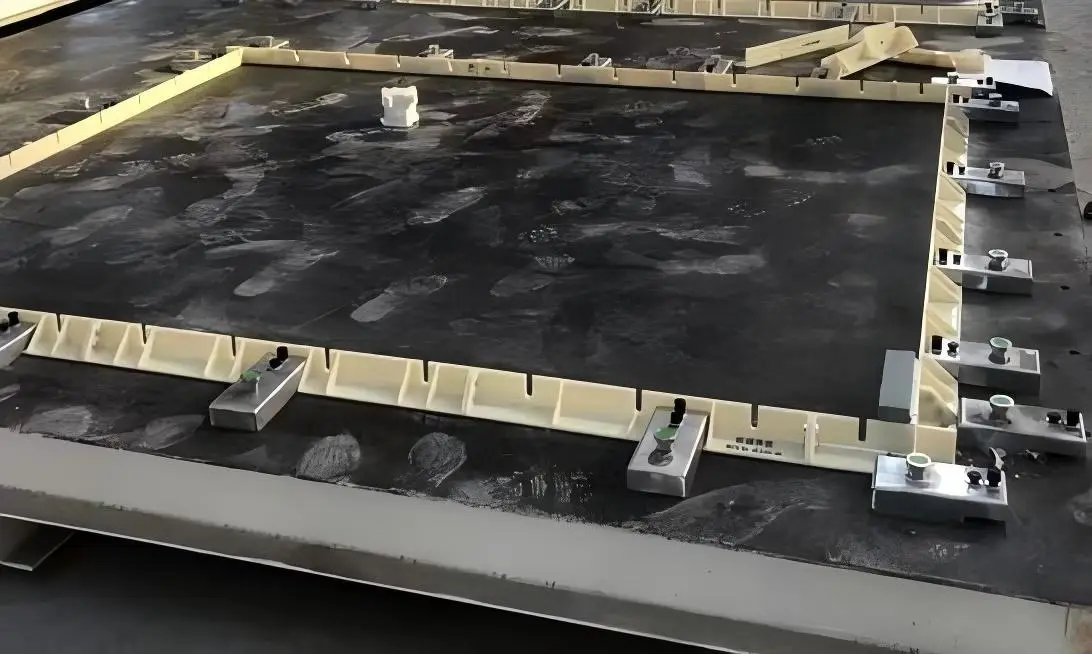
Formwork magnets are specialized devices used to hold formwork panels in place during the pouring of concrete. They utilize **magnetic force** to securely attach the panels to metal substrates, providing a reliable and adjustable solution for various construction applications. The ease of installation and removal of these magnets contributes to reduced labor costs and shortened project timelines.
Types of Formwork Magnets
There are several types of formwork magnets, each designed for specific applications. Understanding the different types can help you choose the right product for your project needs:
1. Permanent Magnets
Permanent magnets offer a strong, reliable hold without requiring an external power source. They are ideal for projects where the formwork needs to remain secure for extended periods.
2. Electromagnetic Magnets
Electromagnetic magnets allow for adjustable holding power and can be turned on and off as needed. This versatility makes them suitable for various tasks where flexibility is crucial.
3. Adjustable Magnets
These magnets come with adjustable holding strengths, allowing for customization based on the requirements of different panels and materials.
Key Advantages of Using Formwork Magnets
Integrating formwork magnets into your construction projects offers numerous benefits:
- **Reduced Labor Costs**: The ease of setup and removal leads to lower labor costs.
- **Increased Efficiency**: Quick adjustments and placements streamline the construction process.
- **Improved Accuracy**: Enhanced precision in formwork placement results in higher quality finishes.
- **Versatility**: Suitable for various types of concrete projects, from walls to slabs.
Top Tips for Implementing Formwork Magnets
When it comes to using formwork magnets, there are several best practices that can help you achieve optimal results. Here are our top tips:
1. Assess Your Project Requirements
Before integrating formwork magnets, evaluate your project's specific demands. Consider factors such as the size and weight of formwork panels, the type of concrete you'll be pouring, and the complexity of your formwork design. By understanding these requirements, you can select the most suitable magnets and configurations.
2. Choose the Right Type of Magnet
Selecting the appropriate type of magnet is crucial for achieving the best results. For projects requiring a stable hold for an extended period, permanent magnets may be the best choice. Conversely, if your project demands flexibility, adjustable or electromagnetic magnets can provide the necessary versatility.
3. Ensure Proper Surface Preparation
The effectiveness of formwork magnets hinges on the surfaces they adhere to. Ensure the surfaces are clean, free of debris, and have the appropriate magnetic properties. This preparation will maximize the holding power and ensure a secure hold during the concrete pouring process.
4. Follow Manufacturer Guidelines
Each type of formwork magnet comes with specific guidelines from the manufacturer. It’s essential to read and follow these instructions carefully to ensure proper installation and usage. Adhering to these guidelines will help you avoid common pitfalls and enhance the overall efficiency of your formwork system.
5. Test the Magnets Before Use
Before commencing with your project, conduct a thorough test of the magnets. This practice allows you to assess their holding strength and ensure they function as intended. It’s better to identify any issues before pouring concrete rather than dealing with complications during the process.
6. Implement Safety Protocols
Safety should always be a priority on any construction site. When working with formwork magnets, ensure that all team members are aware of proper handling procedures. Educate your crew on potential hazards, such as pinch points or magnetic fields, to prevent accidents.
7. Maintain Your Equipment
Regular maintenance of your formwork magnets is essential for ensuring their longevity and performance. Keep them clean and inspect them regularly for signs of wear or damage. Proper care will extend the life of your magnets and maintain their holding strength.
8. Document Your Processes
Keep detailed records of the methods and processes you use during your projects. Documentation can provide valuable insights for future projects, helping you refine your techniques and improve overall efficiency.
Common Mistakes to Avoid When Using Formwork Magnets
To maximize the benefits of formwork magnets, it's crucial to avoid common pitfalls. Here are some mistakes to steer clear of:
1. Neglecting Surface Compatibility
One of the most common mistakes is failing to evaluate surface compatibility. Not all surfaces work well with magnets, leading to poor hold and potential project delays.
2. Overloading the Magnets
Each magnet has a specified load capacity. Overloading can lead to failures during the curing process, resulting in costly repairs and delays. Always adhere to the manufacturer's recommendations regarding weight limits.
3. Failing to Train Staff
Inadequate training can lead to improper use of formwork magnets. Ensure that all crew members are well-trained in the setup and operation of these tools to avoid mishaps.
4. Ignoring Weather Conditions
Environmental factors such as temperature and humidity can affect the performance of formwork magnets. Be mindful of these conditions and adjust your methods accordingly.
Frequently Asked Questions (FAQs)
1. What are formwork magnets primarily used for?
Formwork magnets are used to hold formwork panels securely in place during concrete pouring. They provide a reliable and adjustable solution for various construction applications.
2. How do I choose the right type of formwork magnet for my project?
Evaluate your project requirements, including the size and weight of the panels, and choose the magnet type that best suits your needs—permanent, electromagnetic, or adjustable magnets.
3. What maintenance do formwork magnets require?
Regular maintenance includes cleaning the magnets, checking for wear or damage, and ensuring surfaces are free of debris. Proper care extends their lifespan and ensures optimal performance.
4. Can formwork magnets be reused?
Yes, formwork magnets can be reused as long as they are maintained properly and remain in good working condition. Regular inspections will help determine their usability.
5. Are there safety concerns associated with formwork magnets?
Yes, there are safety concerns, including pinch points and the effects of strong magnetic fields. Proper training and adherence to safety protocols are essential to prevent accidents.
Conclusion
Implementing formwork magnets in your construction projects can significantly enhance efficiency, accuracy, and cost-effectiveness. By understanding the types of magnets available, following best practices, and avoiding common mistakes, you can ensure successful outcomes in your formwork applications. Prioritize safety and maintenance to maximize the benefits of these powerful tools. With the right approach, formwork magnets will not only streamline your construction processes but also contribute to the overall quality of your work.
MORE
18 Jan,2025
Magnetic Box Maintenance Notice Manual
Before using the magnetic box, check whether the bottom of the magnetic block and the platform are clean and flat.
DETAILS

13 Oct,2026
Magnetic Shuttering: Enhancing Efficiency in Electrical Applications
Magnetic Shuttering: Enhancing Efficiency in Electrical Applications
Table of Contents
1. Introduction to Magnetic Shuttering
2. Understanding the Basics of Magnetic Materials
3. The Role of Magnetic Shuttering in Electrical Applications
4. Key Benefits of Magnetic Shuttering Technology
4.1 Improved Energy Efficiency
4.2 Enhanced Operational Reliability
4.3 Cost-Effectiveness
5. Applications of Ma
DETAILS

Ningbo Yati Metal Products Co., Ltd.
No. 55, Meiliangqiao Village, Hengjie Town, Haishu District, Ningbo City, Zhejiang Province