Understanding Precast Shuttering Magnets: A Key Component in Construction and Electrical Industries
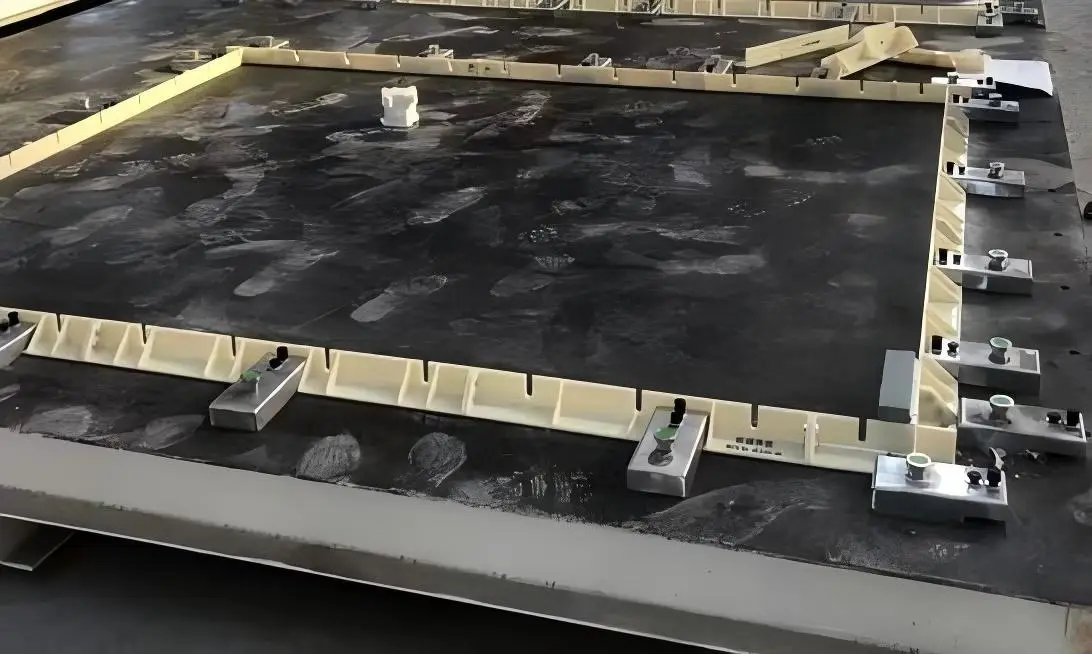
Precast shuttering magnets are crucial tools in modern construction, particularly within the realm of precast concrete components. These magnets are designed to securely hold shuttering forms in place during the casting of concrete, ensuring that the shapes and dimensions of the final product meet exact specifications. Their primary function revolves around providing a reliable and efficient solut
Precast shuttering magnets are crucial tools in modern construction, particularly within the realm of precast concrete components. These magnets are designed to securely hold shuttering forms in place during the casting of concrete, ensuring that the shapes and dimensions of the final product meet exact specifications. Their primary function revolves around providing a reliable and efficient solution for formwork support, allowing for better construction processes and improved quality of the end product.
One of the key advantages of using precast shuttering magnets lies in their ability to reduce setup time significantly. Traditional methods of securing shuttering forms often involve cumbersome clamping systems or labor-intensive procedures that can delay project timelines. By utilizing strong magnetic forces, precast shuttering magnets allow for quick adjustments and repositioning, streamlining the entire process of formwork installation. This not only enhances productivity but also contributes to cost savings throughout the construction phase.
The efficiency of these magnets is largely attributed to their robust design and the materials used in their construction. Typically made from high-grade magnetic materials, precast shuttering magnets can withstand the demanding conditions of construction sites, including exposure to cement, moisture, and varying temperatures. Their resistance to corrosion and wear ensures a longer lifespan, making them a sound investment for contractors and project managers alike.
Moreover, precast shuttering magnets come in various sizes and strengths, allowing for customization depending on the specific requirements of a project. This versatility makes them suitable for a wide range of applications, including walls, ceilings, and other structural components. By providing a secure hold, these magnets facilitate the accurate placement of formwork, which is vital for achieving the desired structural integrity and aesthetic appeal of precast concrete elements.
In addition to their use in construction, precast shuttering magnets find applications in other industries, particularly within the electrical and magnetic materials sectors. Their principles of operation can inspire innovations in various fields, illustrating the broader relevance of magnetic technology in modern engineering solutions.
In conclusion, precast shuttering magnets are integral to improving efficiency and precision in construction projects. Their ability to streamline processes, enhance productivity, and ensure high-quality outputs makes them invaluable tools for professionals in the construction and electrical industries. As technology continues to evolve, the role of such magnetic solutions will likely expand, further contributing to advancements in construction methodologies and material applications.
MORE
18 Jan,2025
Magnetic Box Maintenance Notice Manual
Before using the magnetic box, check whether the bottom of the magnetic block and the platform are clean and flat.
DETAILS

13 Oct,2026
Magnetic Shuttering: Enhancing Efficiency in Electrical Applications
Magnetic Shuttering: Enhancing Efficiency in Electrical Applications
Table of Contents
1. Introduction to Magnetic Shuttering
2. Understanding the Basics of Magnetic Materials
3. The Role of Magnetic Shuttering in Electrical Applications
4. Key Benefits of Magnetic Shuttering Technology
4.1 Improved Energy Efficiency
4.2 Enhanced Operational Reliability
4.3 Cost-Effectiveness
5. Applications of Ma
DETAILS

Ningbo Yati Metal Products Co., Ltd.
No. 55, Meiliangqiao Village, Hengjie Town, Haishu District, Ningbo City, Zhejiang Province