The Future of Construction: Exploring Innovations in Precast Formwork Magnet Box Technology
The Future of Construction: Innovations in Precast Formwork Magnet Box Technology The construction industry is undergoing a significant transformation. Traditional methods are giving way to innovative technologies that improve efficiency, safety, and sustainability. One of the most promising advancements is the use of precast formwork magnet boxes. These innovations are revolutionizing how structu
The Future of Construction: Innovations in Precast Formwork Magnet Box Technology
The construction industry is undergoing a significant transformation. Traditional methods are giving way to innovative technologies that improve efficiency, safety, and sustainability. One of the most promising advancements is the use of precast formwork magnet boxes. These innovations are revolutionizing how structures are built, streamlining processes, and offering a myriad of benefits. In this article, we will explore the future of construction through the lens of precast formwork magnet box technology, discussing its applications, advantages, and the trends shaping this dynamic field.
Table of Contents
- Understanding Precast Formwork Magnet Boxes
- Advantages of Using Precast Formwork Magnet Boxes
- Applications of Precast Formwork Magnet Boxes in Construction
- The Technology Behind Precast Formwork Magnet Boxes
- Sustainability and Environmental Impact of Precast Formwork
- Future Trends in Precast Construction
- Case Studies: Successful Implementations of Precast Magnet Boxes
- Frequently Asked Questions
Understanding Precast Formwork Magnet Boxes
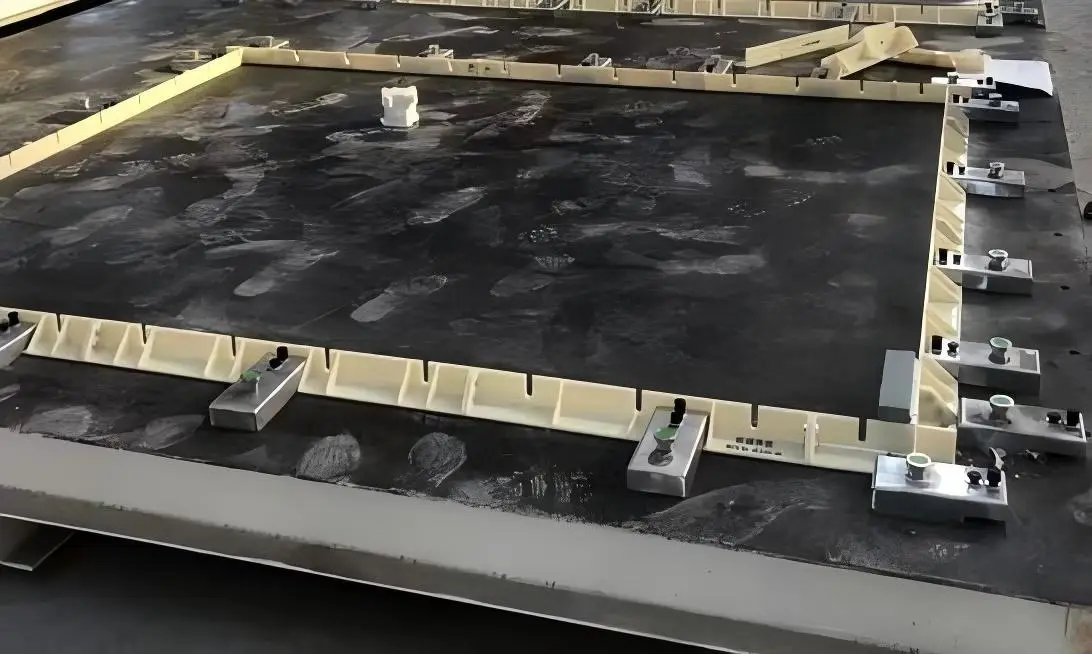
Precast formwork magnet boxes are innovative construction tools designed to enhance the efficiency and accuracy of building operations. These boxes utilize powerful magnets that securely hold formwork panels in place, allowing for quick and easy assembly and disassembly. This technology facilitates the creation of concrete structures with intricate designs, reducing the need for traditional formwork methods that can be time-consuming and labor-intensive.
The precast method involves creating concrete components in a controlled environment before transporting them to the construction site. This process not only speeds up construction times but also ensures higher quality and durability of the materials used. With the integration of magnet box technology, the placement and alignment of these precast units become significantly easier, paving the way for greater architectural creativity.
Advantages of Using Precast Formwork Magnet Boxes
The adoption of precast formwork magnet boxes offers numerous advantages that contribute to more efficient construction practices. Some of the key benefits include:
1. Increased Efficiency and Speed
One of the primary advantages of using magnet boxes is the drastic reduction in assembly time. The powerful magnets allow for quick setup, enabling construction teams to focus on other essential tasks without delay. This efficiency not only accelerates project timelines but also leads to significant cost savings.
2. Improved Safety
Safety is paramount in the construction industry. The use of magnet boxes minimizes the risks associated with traditional formwork methods, such as heavy lifting and the use of scaffolding. By securely holding formwork panels in place, these systems reduce the likelihood of accidents on the job site, fostering a safer working environment.
3. Enhanced Precision and Quality
Precast formwork magnet boxes allow for precise positioning of panels, ensuring that the finished product meets exact specifications. This accuracy leads to improved quality in the final structure, with fewer errors and the need for rework. The consistency offered by precast methods also enhances overall structural integrity.
4. Flexibility in Design
Architects and engineers appreciate the flexibility that magnet boxes provide in designing complex shapes and structures. The ease of assembling and disassembling formwork panels encourages creativity, allowing for innovative designs that may have been challenging to achieve with traditional methods.
5. Cost-Effectiveness
By reducing labor requirements, minimizing waste, and accelerating project timelines, precast formwork magnet boxes significantly lower overall construction costs. These savings make it an attractive option for contractors and clients alike, leading to more competitive pricing in the market.
Applications of Precast Formwork Magnet Boxes in Construction
The versatility of precast formwork magnet boxes makes them applicable in various construction scenarios. Here are some of the primary applications:
1. Residential Buildings
In residential construction, precast formwork magnet boxes facilitate the rapid construction of walls, floors, and roofs. Their ability to support complex designs enables builders to create visually appealing structures with ease.
2. Commercial Structures
Commercial projects, such as office buildings and retail spaces, benefit from the efficiency and flexibility of magnet box technology. This innovation allows for the rapid assembly of large-scale commercial structures while maintaining high quality and design standards.
3. Infrastructure Projects
Infrastructure projects, including bridges and tunnels, utilize precast formwork magnet boxes to create durable components that can withstand significant stress and environmental challenges. The precast method enhances the overall lifespan and performance of these essential structures.
4. Industrial Facilities
In industrial construction, precast formwork magnet boxes support the rapid creation of manufacturing plants and warehouses. The ability to customize designs according to specific operational needs makes this technology particularly valuable in the industrial sector.
The Technology Behind Precast Formwork Magnet Boxes
The technology behind precast formwork magnet boxes involves a combination of powerful magnetic systems and engineered materials designed for durability and precision. These boxes are typically constructed from high-strength steel or other robust materials to endure the stresses of construction.
1. Magnetic Strength and Design
The core feature of magnet box technology is the use of potent magnets that securely hold formwork in place. Advanced design techniques ensure that the magnetic strength is optimized for different applications, providing the necessary support without compromising flexibility.
2. Materials and Construction
Many precast formwork magnet boxes use high-performance materials that enhance their longevity and resistance to environmental factors. These materials are selected to withstand wear and tear, ensuring that boxes remain functional for numerous construction projects.
3. Automation and Control
Modern innovations in automation and control systems further enhance the usability of magnet boxes. Integrated technologies allow for precise control of the assembly and disassembly processes, promoting an efficient workflow on construction sites.
Sustainability and Environmental Impact of Precast Formwork
As the construction industry seeks to reduce its carbon footprint, precast formwork magnet boxes offer sustainable benefits. The controlled environment in which precast components are manufactured allows for better management of resources, reducing waste significantly.
1. Resource Efficiency
By optimizing material usage during the precast process, construction companies can minimize excess waste. The efficiency of magnet box systems further contributes to resource conservation, making them an eco-friendly option in construction.
2. Reduced Construction Time
Shorter construction timelines result in lower energy consumption on-site. The ability to quickly assemble structures with magnet boxes allows for faster project completion, reducing the overall environmental impact associated with prolonged construction activities.
3. Recyclability of Materials
Many materials used in precast construction are recyclable, promoting a circular economy in construction practices. This recyclability aligns with global sustainability goals and encourages environmentally conscious building methods.
Future Trends in Precast Construction
The future of precast construction looks promising, with numerous trends emerging that will shape the industry. These trends include:
1. Integration of Smart Technology
Smart technology will play a crucial role in the future of precast formwork magnet boxes. The integration of IoT devices and sensors will enable real-time monitoring of construction processes, enhancing efficiency and safety.
2. Enhanced Customization Capabilities
As construction demands evolve, the ability to customize precast components will become increasingly important. Future magnet box designs will likely focus on flexibility, allowing for more complex and unique building designs.
3. Expansion of Modular Construction
Modular construction is gaining traction as a viable building method. Precast formwork magnet boxes will be integral to this trend, facilitating the rapid assembly of modular units and contributing to efficient construction practices.
4. Focus on Sustainability and Green Building Practices
With growing concerns over climate change, the construction industry is prioritizing sustainability. Precast formwork magnet boxes will evolve to incorporate more eco-friendly materials and practices, aligning with green building certifications.
Case Studies: Successful Implementations of Precast Magnet Boxes
Numerous successful projects have demonstrated the effectiveness of precast formwork magnet boxes. Here are a few notable examples:
1. Urban High-Rise Development
A recent urban high-rise development utilized precast formwork magnet boxes to construct its façade efficiently. The project was completed ahead of schedule, and the quality of the finished product exceeded expectations, showcasing the advantages of this technology.
2. Bridge Construction
In a challenging bridge construction project, precast formwork magnet boxes allowed for rapid assembly while minimizing disruption to traffic. This project highlighted the adaptability of magnet box technology in complex infrastructure scenarios.
3. Industrial Facility Expansion
An industrial facility expansion project achieved significant cost savings by implementing precast formwork magnet boxes. The flexibility in design and speed of assembly contributed to the project’s success, demonstrating the value of this innovative approach.
Frequently Asked Questions
1. What are precast formwork magnet boxes?
Precast formwork magnet boxes are tools used in construction to hold formwork panels in place using strong magnets, allowing for quick assembly and disassembly.
2. How do magnet boxes improve construction efficiency?
Magnet boxes speed up the assembly process, reduce labor costs, and enhance the precision of formwork placement, leading to faster project completion.
3. Are precast formwork magnet boxes safe to use?
Yes, precast formwork magnet boxes improve safety by minimizing the need for traditional scaffolding and heavy lifting, reducing the risk of accidents on construction sites.
4. Can magnet boxes be used for complex designs?
Absolutely! The flexibility of magnet boxes allows for the creation of intricate designs that are difficult to achieve with traditional formwork methods.
5. What is the environmental impact of using precast formwork?
Using precast formwork reduces waste, optimizes resource efficiency, and shortens construction timelines, leading to a lower overall environmental impact.
Conclusion
The future of construction is being reshaped by innovations in precast formwork magnet box technology. As the industry seeks to enhance efficiency, safety, and sustainability, these advancements provide practical solutions to modern building challenges. The ability to streamline processes, improve design flexibility, and minimize environmental impact positions precast formwork magnet boxes as a vital component in the evolution of construction practices. Embracing these innovations will not only benefit contractors and clients but will also contribute to a more sustainable and efficient construction industry overall.
MORE
18 Jan,2025
Magnetic Box Maintenance Notice Manual

13 Oct,2026
Magnetic Shuttering: Enhancing Efficiency in Electrical Applications

Ningbo Yati Metal Products Co., Ltd.
No. 55, Meiliangqiao Village, Hengjie Town, Haishu District, Ningbo City, Zhejiang Province