The Role of Precast Magnets in Sustainable Electrical Solutions
The Role of Precast Magnets in Sustainable Electrical Solutions Table of Contents 1. Introduction to Precast Magnets 2. Understanding Precast Magnets 2.1 Definition and Composition 2.2 Types of Precast Magnets 3. Sustainability Benefits of Precast Magnets 3.1 Enhancing Energy Efficiency
The Role of Precast Magnets in Sustainable Electrical Solutions
Table of Contents
- 1. Introduction to Precast Magnets
- 2. Understanding Precast Magnets
- 3. Sustainability Benefits of Precast Magnets
- 4. Applications of Precast Magnets in Electrical Solutions
- 5. Future Trends in Precast Magnets and Sustainability
- 6. Challenges in Implementing Precast Magnets
- 7. Frequently Asked Questions
- 8. Conclusion
1. Introduction to Precast Magnets
The quest for sustainable electrical solutions has prompted innovation in various materials used within the industry. Precast magnets are at the forefront of this transformation, providing a unique approach to enhance energy efficiency while minimizing environmental impact. This article delves into the role of precast magnets, exploring their benefits, applications, and future trends within sustainable electrical solutions.
2. Understanding Precast Magnets
2.1 Definition and Composition
Precast magnets are specially formulated magnetic materials that are manufactured under controlled conditions, allowing for precise specifications regarding size, shape, and magnetic strength. These magnets are often composed of advanced materials like neodymium, ferrite, or other rare-earth components that contribute to their effectiveness in various applications. The controlled manufacturing process ensures that the magnets exhibit consistent performance, making them ideal for use in electrical systems.
2.2 Types of Precast Magnets
There are several types of precast magnets, each designed for specific applications:
- **Neodymium Magnets**: Known for their exceptional strength and energy efficiency, neodymium magnets are commonly used in high-performance applications.
- **Samarium-Cobalt Magnets**: These magnets offer excellent thermal stability and corrosion resistance, making them suitable for harsh environments.
- **Ferrite Magnets**: Cost-effective and widely used, ferrite magnets are ideal for various electrical applications but are less powerful than neodymium or samarium-cobalt types.
Each type of magnet serves unique purposes, contributing to the overall sustainability goals within electrical engineering.
3. Sustainability Benefits of Precast Magnets
3.1 Enhancing Energy Efficiency
Precast magnets play a critical role in enhancing the energy efficiency of electrical systems. Their high magnetic strength allows for smaller, more compact designs, which in turn reduces the overall size and weight of electrical devices. This compactness not only saves raw materials during production but also minimizes energy consumption during operation. Systems utilizing precast magnets often exhibit lower operational costs and contribute to reduced carbon footprints.
3.2 Waste Reduction and Recycling
The lifecycle of precast magnets promotes sustainability through waste reduction and recycling. These magnets can be designed to be reusable or recyclable, encouraging manufacturers to devise eco-friendly disposal methods. When end-of-life magnets are recycled, valuable materials can be recovered, further contributing to the circular economy. This not only conserves resources but also diminishes the reliance on mining new materials, which can be environmentally damaging.
4. Applications of Precast Magnets in Electrical Solutions
4.1 Industrial Use Cases
Precast magnets find extensive applications across various industries, including:
- **Electric Motors**: Precast magnets are integrated into electric motors to improve performance and efficiency, leading to lower energy consumption.
- **Transformers**: In transformers, these magnets help to enhance magnetic flux, reducing energy losses and improving the overall reliability of electrical systems.
- **Sensors**: Industries utilize precast magnets in sensors for precise measurements and feedback, crucial for applications in automation and robotics.
4.2 Role in Renewable Energy Solutions
The renewable energy sector has seen a significant uptick in the adoption of precast magnets, particularly in wind turbines and solar energy systems. In wind turbines, the use of strong neodymium magnets enables the generation of more electricity from smaller turbine designs. Similarly, precast magnets in solar inverters help optimize the conversion of sunlight into electricity, ensuring that renewable energy sources are utilized efficiently.
5. Future Trends in Precast Magnets and Sustainability
As the demand for sustainable electrical solutions continues to rise, several trends are emerging in the field of precast magnets:
- **Advanced Materials**: Ongoing research is focusing on developing new materials that can enhance the performance and sustainability of precast magnets.
- **Smart Integration**: The integration of smart technologies with precast magnets is paving the way for enhanced monitoring and control of electrical systems.
- **Sustainability Certifications**: Manufacturers are increasingly seeking sustainability certifications to meet consumer demands for eco-friendly products.
These trends indicate a shift towards a more sustainable future, where precast magnets play an integral role in the advancements of electrical engineering.
6. Challenges in Implementing Precast Magnets
While precast magnets offer numerous benefits, several challenges persist:
- **Cost Implications**: The initial investment associated with high-performance precast magnets can be significant, potentially deterring some manufacturers.
- **Supply Chain Issues**: The sourcing of raw materials, particularly for rare-earth magnets, can be impacted by global supply chain disruptions.
- **Performance Limitations**: Depending on the application, certain types of precast magnets may not perform optimally under extreme conditions, necessitating further research and development.
Addressing these challenges will be crucial for the broader adoption of precast magnets in sustainable electrical solutions.
7. Frequently Asked Questions
What are precast magnets used for?
Precast magnets are used in various applications, including electric motors, transformers, sensors, and renewable energy solutions like wind turbines and solar inverters.
How do precast magnets improve energy efficiency?
Their high magnetic strength allows for more compact designs, reducing energy consumption and operational costs for electrical devices.
Can precast magnets be recycled?
Yes, many precast magnets can be designed for reuse or recycling, contributing to waste reduction and the circular economy.
What types of materials are used in precast magnets?
Common materials include neodymium, samarium-cobalt, and ferrite, each offering different strengths and applications.
What challenges do manufacturers face when implementing precast magnets?
Manufacturers may encounter cost implications, supply chain issues, and performance limitations under certain conditions.
8. Conclusion
Precast magnets are poised to play a transformative role in sustainable electrical solutions, offering numerous benefits that enhance energy efficiency, reduce waste, and promote eco-friendly practices. Their diverse applications across various industries showcase their importance in modern electrical engineering. As we look toward a more sustainable future, the continued development and implementation of precast magnets will be essential in achieving our environmental goals. By overcoming current challenges and embracing innovative materials and technologies, we can unlock the full potential of precast magnets, ensuring a greener tomorrow for the electrical industry.
MORE
18 Jan,2025
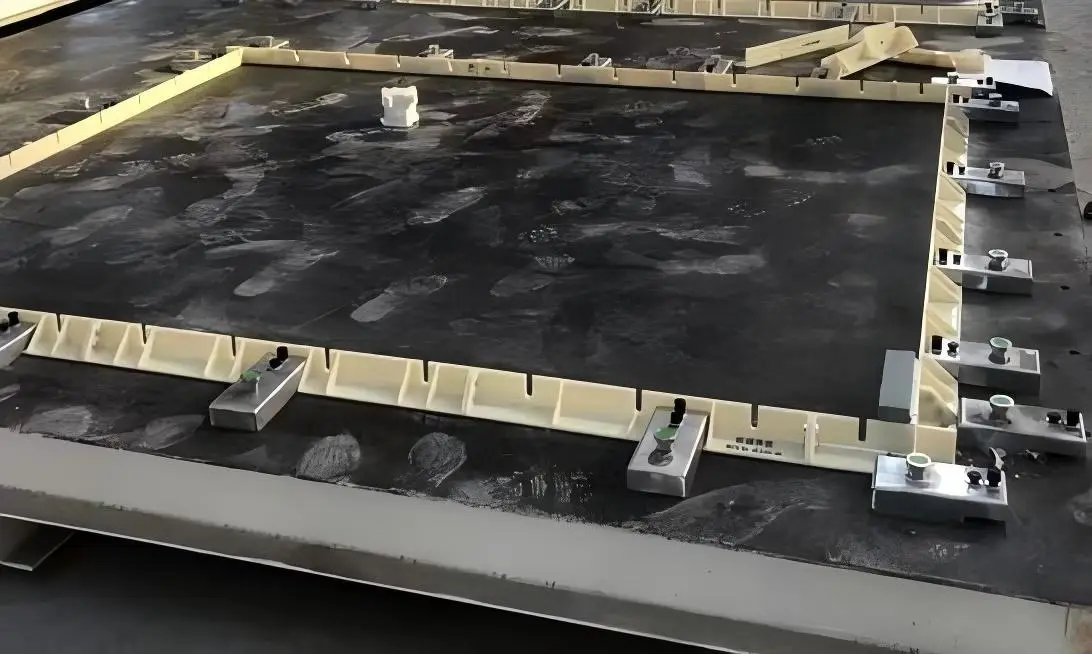
Magnetic Box Maintenance Notice Manual
Before using the magnetic box, check whether the bottom of the magnetic block and the platform are clean and flat.
DETAILS
13 Oct,2026
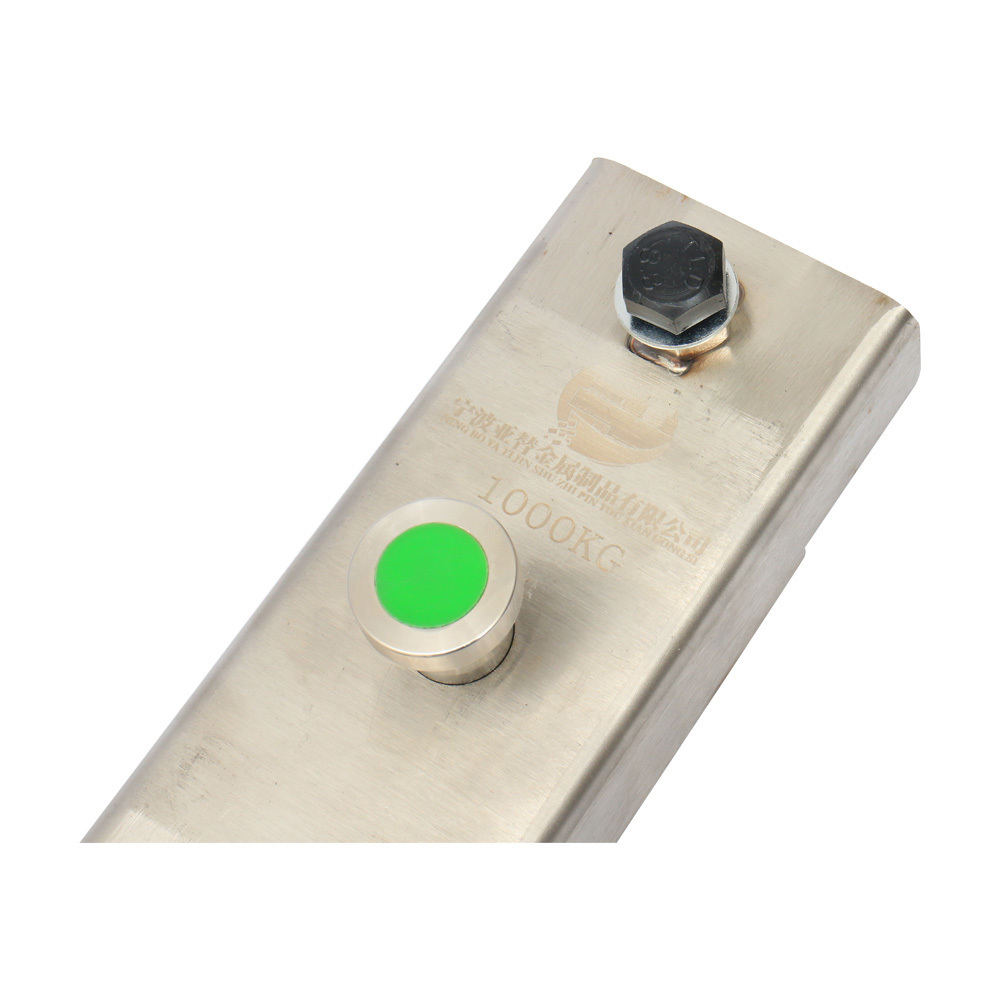
Magnetic Shuttering: Enhancing Efficiency in Electrical Applications
Magnetic Shuttering: Enhancing Efficiency in Electrical Applications
Table of Contents
1. Introduction to Magnetic Shuttering
2. Understanding the Basics of Magnetic Materials
3. The Role of Magnetic Shuttering in Electrical Applications
4. Key Benefits of Magnetic Shuttering Technology
4.1 Improved Energy Efficiency
4.2 Enhanced Operational Reliability
4.3 Cost-Effectiveness
5. Applications of Ma
DETAILS

Ningbo Yati Metal Products Co., Ltd.
No. 55, Meiliangqiao Village, Hengjie Town, Haishu District, Ningbo City, Zhejiang Province