How Formwork Magnets Enhance Efficiency in Precast Concrete Projects
How Formwork Magnets Enhance Efficiency in Precast Concrete Projects Table of Contents 1. Introduction to Formwork Magnets 2. What Are Formwork Magnets? 3. Benefits of Using Formwork Magnets in Precast Concrete 4. Applications of Formwork Magnets in Precast Concrete 5. Comparing Formwork Magnets to Traditional Methods 6. How to Choose the Right Formwork Magnet 7. Safet
How Formwork Magnets Enhance Efficiency in Precast Concrete Projects
Table of Contents
- 1. Introduction to Formwork Magnets
- 2. What Are Formwork Magnets?
- 3. Benefits of Using Formwork Magnets in Precast Concrete
- 4. Applications of Formwork Magnets in Precast Concrete
- 5. Comparing Formwork Magnets to Traditional Methods
- 6. How to Choose the Right Formwork Magnet
- 7. Safety Considerations When Using Formwork Magnets
- 8. The Future of Formwork Magnets in Construction
- 9. Conclusion
- 10. Frequently Asked Questions
1. Introduction to Formwork Magnets
In the realm of precast concrete construction, efficiency is paramount. Projects often face tight deadlines and budget constraints, necessitating methods that streamline processes without compromising quality. **Formwork magnets** have emerged as a game-changing solution in this industry, offering a robust and flexible alternative to traditional fastening systems. These magnetic systems not only reduce setup times but also enhance the overall quality of the concrete products produced.
2. What Are Formwork Magnets?
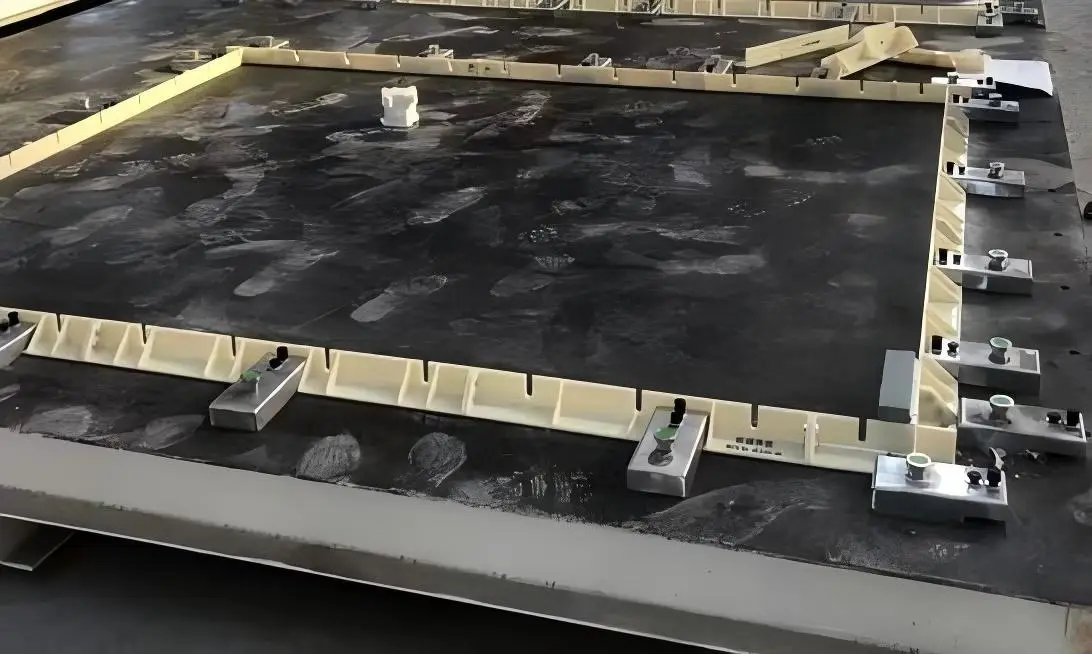
Formwork magnets are specialized devices designed to secure formwork panels used in the casting of precast concrete elements. These magnets attach to steel formwork, holding it in place during the pouring and curing of concrete. Their design allows for quick adjustments and repositioning, making them ideal for various forms and shapes. They come in different sizes and strengths, catering to specific project requirements.

3. Benefits of Using Formwork Magnets in Precast Concrete
Using formwork magnets in precast concrete projects offers several significant benefits:
3.1 Increased Speed of Construction
The primary advantage of formwork magnets is the speed they bring to the construction process. Traditional methods often involve bolts, clamps, and extensive manual adjustments, which can be time-consuming. In contrast, magnets allow for rapid installation and reconfiguration, enabling crews to move to the next steps quickly.
3.2 Enhanced Precision and Quality
Formwork magnets provide consistent holding power, ensuring that formwork remains stable even during the pouring process. This stability translates to a higher quality finish on concrete products, reducing the risk of defects and rework.
3.3 Cost-Effectiveness
Although the initial investment in formwork magnets might be higher than traditional methods, the long-term savings in labor and time often offset these costs. The ease of use and reduced setup times lead to overall project cost reductions.
3.4 Flexibility and Versatility
Formwork magnets are exceptionally versatile. They can be used in various applications, from simple blocks to complex architectural shapes. Their adaptability makes them ideal for projects that require frequent changes in design or layout.
4. Applications of Formwork Magnets in Precast Concrete
The applications of formwork magnets in precast concrete are vast and varied:
4.1 Precast Walls
In the production of precast wall panels, formwork magnets secure the formwork in place, allowing for a seamless pouring process that results in high-quality finishes.
4.2 Precast Floors
Floor slabs benefit from the quick setup capabilities of formwork magnets, ensuring that projects can progress without delays caused by traditional fastening methods.
4.3 Architectural Features
When creating complex architectural elements, formwork magnets provide the necessary flexibility to achieve intricate designs without compromising stability during the casting phase.
4.4 Custom Projects
For custom precast projects, the ability to adjust and reposition formwork easily with magnets allows for greater design freedom, accommodating unique shapes and specifications.
5. Comparing Formwork Magnets to Traditional Methods
When comparing formwork magnets to traditional fastening methods, several key differences emerge:
5.1 Installation Time
Traditional methods often require extensive measurements, drilling, and bolting, leading to longer setup times. In contrast, formwork magnets can be quickly installed and adjusted, saving valuable hours on project timelines.
5.2 Labor Requirements
Using magnets can reduce labor costs significantly. Fewer workers are needed for installation and adjustments, allowing teams to allocate resources more effectively.
5.3 Quality Control
Formwork magnets provide consistent and reliable holding power, which helps to maintain the integrity of the formwork and ensure a quality finish on concrete products. Traditional methods may result in variations in pressure and placement, leading to defects.
6. How to Choose the Right Formwork Magnet
Selecting the appropriate formwork magnet involves considering several factors:
6.1 Strength Requirements
Determine the holding strength needed based on the weight of the concrete and the design of the formwork. Different magnets have varying strengths, so it's vital to match the magnet's capabilities with project demands.
6.2 Size and Shape
The size and shape of the magnet should align with the formwork design. Consider the dimensions of the forms and the space available for magnet placement.
6.3 Application Type
Evaluate the specific application for which the magnets will be used. Different projects may require specialized magnets designed for unique challenges.
7. Safety Considerations When Using Formwork Magnets
While formwork magnets enhance efficiency, safety should never be compromised. Here are key considerations:
7.1 Proper Training
Ensure that all team members are adequately trained in the use of formwork magnets. Understanding how to operate and maintain these tools is essential for safe usage.
7.2 Equipment Inspection
Regularly inspect magnets for wear and tear. Damaged magnets can compromise safety and quality during the concrete pouring process.
7.3 Follow Manufacturer Guidelines
Always adhere to the manufacturer's instructions regarding the use and limitations of formwork magnets. This includes understanding weight capacities and proper handling.
8. The Future of Formwork Magnets in Construction
As the construction industry continues to evolve, the role of formwork magnets is likely to expand. Advances in technology may lead to more innovative designs and features, enhancing their effectiveness and safety. Furthermore, as precast concrete becomes increasingly popular for sustainable building practices, formwork magnets will play a crucial role in facilitating efficient production processes.
9. Conclusion
Formwork magnets represent a significant advancement in the precast concrete industry, offering numerous benefits that enhance efficiency, quality, and safety. By streamlining construction processes and providing flexibility in design, these innovative tools are transforming how precast elements are produced. As we look to the future, the continued integration of formwork magnets into construction practices will undoubtedly lead to even greater efficiencies and possibilities.
10. Frequently Asked Questions
1. What are formwork magnets made of?
Formwork magnets are typically made from high-strength materials such as steel and incorporate powerful magnets designed to securely hold formwork in place.
2. How do formwork magnets improve safety on construction sites?
By providing a stable and secure holding system for formwork, magnets reduce the risk of accidents associated with traditional fastening methods, preventing accidental displacements during the concrete pouring process.
3. Can formwork magnets be reused?
Yes, formwork magnets are designed for multiple uses, providing a cost-effective solution for various precast concrete projects.
4. Are formwork magnets suitable for all types of precast concrete?
While formwork magnets are highly versatile, it's essential to choose the right type and strength of magnet based on the specific requirements of each precast project.
5. How do I maintain formwork magnets?
Regular maintenance includes inspecting magnets for damage, cleaning them to remove concrete residue, and ensuring that they are stored properly when not in use.
This comprehensive understanding of how formwork magnets enhance efficiency in precast concrete projects positions them as an indispensable tool in modern construction, enabling rapid, high-quality production while minimizing labor costs and safety risks.
MORE
18 Jan,2025
Magnetic Box Maintenance Notice Manual

13 Oct,2026
Magnetic Shuttering: Enhancing Efficiency in Electrical Applications

Ningbo Yati Metal Products Co., Ltd.
No. 55, Meiliangqiao Village, Hengjie Town, Haishu District, Ningbo City, Zhejiang Province