How Precast Formwork Magnets Enhance Construction Safety and Efficiency
How Precast Formwork Magnets Enhance Construction Safety and Efficiency Table of Contents 1. Introduction to Precast Formwork Magnets 2. The Importance of Safety in Construction 3. How Precast Formwork Magnets Work 3.1 Design and Functionality 3.2 Types of Precast Formwork Magnets 4. Benefits of Using Precast Formwork Magnets 4.1 Improved Safety Standards 4.2 Enhanced Efficiency in Construction Pr
How Precast Formwork Magnets Enhance Construction Safety and Efficiency
Table of Contents
1. Introduction to Precast Formwork Magnets
2. The Importance of Safety in Construction
3. How Precast Formwork Magnets Work
3.1 Design and Functionality
3.2 Types of Precast Formwork Magnets
4. Benefits of Using Precast Formwork Magnets
4.1 Improved Safety Standards
4.2 Enhanced Efficiency in Construction Processes
4.3 Cost-Effectiveness Over Time
5. Applications of Precast Formwork Magnets
5.1 Residential Construction
5.2 Commercial Projects
5.3 Infrastructure Developments
6. Choosing the Right Precast Formwork Magnet
7. Future Trends in Precast Technology
8. Frequently Asked Questions (FAQs)
9. Conclusion
1. Introduction to Precast Formwork Magnets
In the construction world, efficiency and safety are paramount. This necessity has led to the adoption of **innovative solutions** such as **precast formwork magnets**. These specialized tools have revolutionized the way construction projects are executed, particularly in precast concrete applications. By offering a reliable way to hold formwork in place, precast formwork magnets not only enhance construction processes but also significantly improve safety on job sites.

2. The Importance of Safety in Construction
Construction sites are inherently hazardous environments. The combination of heavy machinery, unstable structures, and the presence of multiple workers can lead to accidents if safety measures are not strictly followed. Therefore, understanding the **importance of safety** in construction is crucial. Implementing advanced technologies like precast formwork magnets can mitigate risks and create a safer workspace for all involved.
3. How Precast Formwork Magnets Work
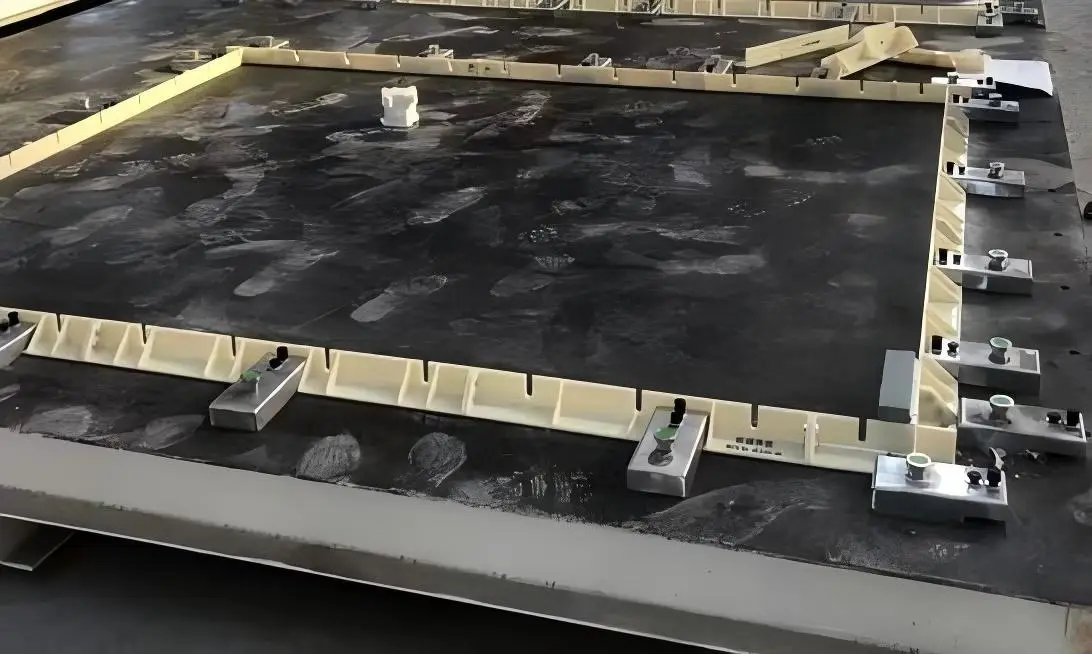
Precast formwork magnets serve a specific purpose: they secure formwork to steel structures, ensuring stability during the concrete pouring process. Understanding how these magnets function is essential to appreciating their benefits.
3.1 Design and Functionality
Precast formwork magnets are typically designed with a **powerful magnetic system** that firmly attaches to formwork materials. The design ensures that the magnets can withstand the weight and pressure of wet concrete without slipping or shifting.
3.2 Types of Precast Formwork Magnets
There are various types of precast formwork magnets available on the market, catering to different applications and needs. The most common types include:
- **Standard Magnets:** Ideal for general formwork applications, offering reliable holding capacity.
- **Adjustable Magnets:** Allow for flexibility in positioning, making them suitable for custom formwork designs.
- **Heavy-Duty Magnets:** Designed for large-scale projects requiring extra strength and stability.
4. Benefits of Using Precast Formwork Magnets
Utilizing precast formwork magnets comes with several distinct advantages, which contribute to both **safety** and **efficiency** in construction projects.
4.1 Improved Safety Standards
One of the primary benefits of precast formwork magnets is the enhancement of safety standards. By providing a secure hold on formwork, these magnets reduce the risk of formwork collapse, which can lead to severe injuries. Additionally, the quick setup and removal processes minimize the time workers spend in hazardous positions.
4.2 Enhanced Efficiency in Construction Processes
Precast formwork magnets significantly speed up the construction process. They eliminate the need for cumbersome fastening systems, allowing workers to focus on pouring and finishing concrete rather than struggling with formwork assembly. This efficiency leads to faster project completion times, which can be a decisive factor in meeting deadlines.
4.3 Cost-Effectiveness Over Time
While the initial investment in precast formwork magnets may be higher than traditional methods, the long-term savings can be substantial. By reducing labor costs, minimizing material waste, and improving project timelines, these magnets can lead to increased profitability over the life of a project.
5. Applications of Precast Formwork Magnets
Precast formwork magnets are versatile tools that find applications across various sectors within the construction industry.
5.1 Residential Construction
In residential construction, precast formwork magnets are used to create stable foundations and walls. Their ability to securely attach formwork makes them ideal for pouring concrete for homes and apartments.
5.2 Commercial Projects
Commercial buildings often require complex designs and large-scale concrete pours. Precast formwork magnets allow for the efficient assembly of formwork systems, ensuring that larger structures are built safely and efficiently.
5.3 Infrastructure Developments
In infrastructure projects such as bridges and highways, the importance of reliable formwork cannot be overstated. Precast formwork magnets provide the necessary stability and safety required for these critical structures.
6. Choosing the Right Precast Formwork Magnet
Selecting the appropriate precast formwork magnet for your specific project needs involves considering several factors, including:
- **Project Scale:** Smaller projects may require standard magnets, while larger developments could benefit from heavy-duty options.
- **Formwork Material:** Ensure compatibility between the magnet and the formwork material to maintain a secure hold.
- **Adjustability Needs:** If your project involves custom shapes, adjustable magnets may be the best choice.
Consulting with experts in the field can facilitate informed decisions when choosing the right magnets for your construction needs.
7. Future Trends in Precast Technology
As the construction industry continues to evolve, so too does the technology behind precast formwork magnets. Future trends may include:
- **Smart Magnets:** Incorporating sensors to monitor holding strength and alert workers of potential issues.
- **Sustainable Materials:** The development of eco-friendly magnets to align with the industry's growing focus on sustainability.
- **Automated Systems:** The integration of magnets into automated formwork systems, further increasing efficiency and safety.
8. Frequently Asked Questions (FAQs)
Q1: What are precast formwork magnets?
A1: Precast formwork magnets are specialized tools designed to securely hold formwork in place during concrete pouring.
Q2: How do precast formwork magnets improve safety?
A2: By providing a stable hold on formwork, they reduce the risk of collapse and keep workers safe during construction activities.
Q3: Are precast formwork magnets cost-effective?
A3: Yes, while the initial investment may be higher, they can lead to substantial savings in labor and material costs over time.
Q4: Can these magnets be used for various construction applications?
A4: Absolutely! Precast formwork magnets are versatile and can be used in residential, commercial, and infrastructure projects.
Q5: What factors should I consider when choosing precast formwork magnets?
A5: Consider project scale, formwork material compatibility, and whether adjustable features are necessary for your specific application.
9. Conclusion
In conclusion, precast formwork magnets represent a significant leap forward in construction technology, offering numerous benefits that improve both safety and efficiency. As the industry continues to prioritize these aspects, the adoption of precast formwork magnets will likely become more widespread. By investing in these innovative tools, construction companies can not only enhance their project outcomes but also ensure a safer working environment for their teams. Embracing the future of construction involves recognizing the value of such advancements, and precast formwork magnets are at the forefront of this transformation.
MORE
18 Jan,2025
Magnetic Box Maintenance Notice Manual

13 Oct,2026
Magnetic Shuttering: Enhancing Efficiency in Electrical Applications

Ningbo Yati Metal Products Co., Ltd.
No. 55, Meiliangqiao Village, Hengjie Town, Haishu District, Ningbo City, Zhejiang Province