The Future of Construction: Exploring Precast Formwork Magnet Technology
The Future of Construction: Exploring Precast Formwork Magnet Technology Table of Contents 1. Introduction to Precast Formwork Magnet Technology 2. Understanding Precast Formwork 3. The Role of Magnet Technology in Construction 4. Benefits of Precast Formwork Magnet Systems 5. Applications of Precast Formwork Magnet Technology in Modern Construction 6. Comparing Traditiona
The Future of Construction: Exploring Precast Formwork Magnet Technology
Table of Contents
- 1. Introduction to Precast Formwork Magnet Technology
- 2. Understanding Precast Formwork
- 3. The Role of Magnet Technology in Construction
- 4. Benefits of Precast Formwork Magnet Systems
- 5. Applications of Precast Formwork Magnet Technology in Modern Construction
- 6. Comparing Traditional Formwork Methods and Precast Magnet Systems
- 7. Future Trends in Precast Formwork Magnet Technology
- 8. Frequently Asked Questions
- 9. Conclusion
1. Introduction to Precast Formwork Magnet Technology
In the ever-evolving construction industry, innovation is key to keeping pace with increasing demands for efficiency, sustainability, and cost-effectiveness. Precast formwork magnet technology represents a significant leap forward, offering unique solutions to longstanding challenges faced by builders and contractors. This technology utilizes powerful magnets to secure formwork in place, streamlining the construction process while enhancing accuracy and safety.
2. Understanding Precast Formwork
Precast formwork involves creating concrete structures using molds that are manufactured off-site, which are then transported and installed on-site. This method allows for precise control over the curing process and often results in higher quality concrete structures.
The Components of Precast Formwork
The core components of precast formwork systems include:
- **Molds**: Custom-designed molds shaped according to project requirements.
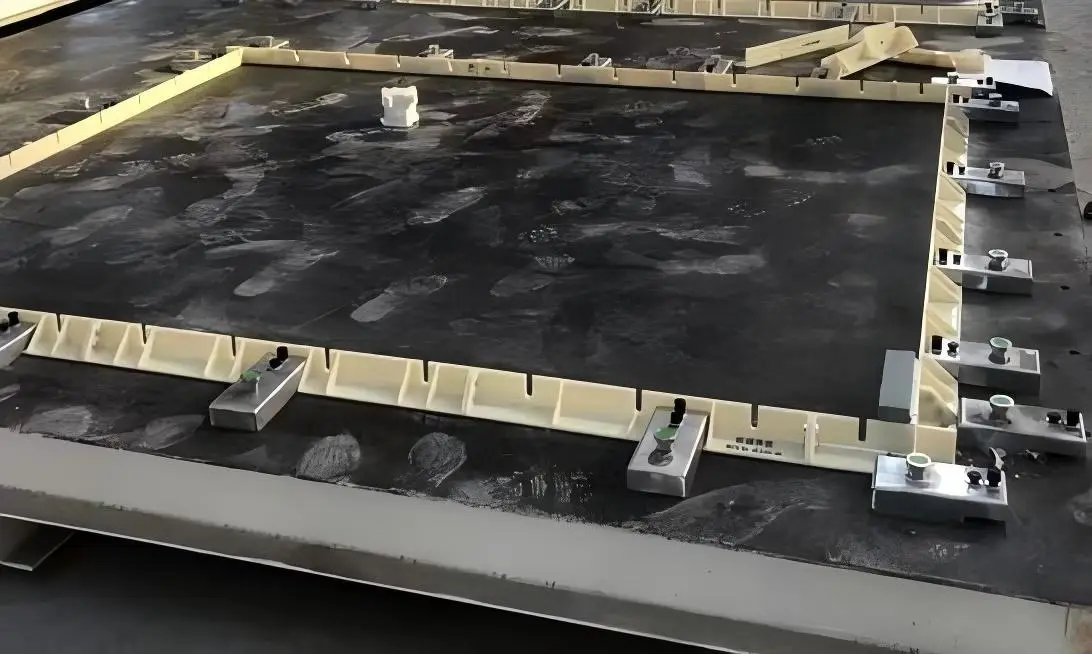
- **Magnets**: High-strength magnets that hold the molds securely in place.
- **Concrete**: The mixture that is poured into the molds and allowed to cure.

3. The Role of Magnet Technology in Construction
Magnet technology is a transformative element within precast formwork systems. By using powerful magnets, construction teams can quickly and efficiently assemble formwork on-site without the need for additional tools or heavy equipment.
The Mechanics of Magnetic Formwork Assembly
The assembly process is straightforward:
1. **Positioning the Molds**: Molds are placed on the construction site where the concrete structure will be formed.
2. **Activating the Magnets**: The magnets are activated, securing the molds together with a strong grip.
3. **Pouring Concrete**: Once the molds are in place, concrete is poured, and the curing process begins.
4. Benefits of Precast Formwork Magnet Systems
The adoption of magnet technology in precast formwork systems offers numerous benefits that can significantly enhance construction practices.
Improved Efficiency
Magnetic formwork allows for rapid assembly and disassembly of molds, reducing the time spent on setup.
Cost-Effectiveness
By minimizing labor and equipment costs, magnetic formwork systems can lead to significant savings over traditional methods.
Enhanced Quality Control
The precision of magnetic formwork contributes to a higher quality of finished concrete products, with fewer defects and inconsistencies.
Increased Safety
Minimizing the need for heavy lifting and manual handling reduces the potential for workplace injuries, creating a safer environment for construction workers.
5. Applications of Precast Formwork Magnet Technology in Modern Construction
The versatility of precast formwork magnet technology means it can be applied in various construction projects, from residential buildings to large commercial structures.
Residential Construction
In residential projects, precast magnet systems can be used to create walls, floors, and ceilings efficiently, allowing builders to meet tight deadlines.
Infrastructure Projects
For larger infrastructure projects, such as bridges and tunnels, the ability to quickly assemble formwork can lead to significant project timeline reductions.
6. Comparing Traditional Formwork Methods and Precast Magnet Systems
Traditional formwork methods often rely on scaffolding and manual labor, which can be time-consuming and labor-intensive. In contrast, the use of precast formwork magnets offers a range of advantages.
Speed of Assembly
While traditional systems may take days to set up, magnetic formwork can often be assembled in hours.
Labor Requirements
Traditional methods require more workers on-site, whereas precast magnet systems can minimize the workforce needed.
Flexibility and Customization
Magnetic formwork can easily be adapted for different project specifications, allowing for greater flexibility in design.
7. Future Trends in Precast Formwork Magnet Technology
As technology continues to advance, the future of precast formwork magnet systems looks promising. Several trends are emerging that may shape the development of this technology.
Integration with Smart Technology
The incorporation of smart technology and IoT devices into precast formwork systems may enhance monitoring and control during the construction process.
Sustainability Initiatives
With growing concerns about environmental impact, the future may see an emphasis on developing magnet systems that are more sustainable and use eco-friendly materials.
Research and Development
Continued research into the properties of magnetic materials and their applications in construction will likely lead to even more innovative solutions.
8. Frequently Asked Questions
What is precast formwork magnet technology?
Precast formwork magnet technology involves using powerful magnets to secure molds for concrete structures, streamlining the construction process.
How does magnet technology improve construction efficiency?
By allowing for rapid assembly and disassembly of formwork, magnet technology reduces setup time and labor costs.
What are the main advantages of using precast magnet systems?
Key advantages include improved efficiency, cost savings, enhanced quality control, and increased safety on-site.
Can precast magnet systems be used for all types of construction projects?
Yes, precast magnet systems can be adapted for various projects, including residential, commercial, and infrastructure developments.
What future developments can we expect in precast formwork technology?
Future developments may include greater integration with smart technology, a focus on sustainability, and ongoing research into new materials.
9. Conclusion
Precast formwork magnet technology is set to redefine the construction landscape, offering innovative solutions that enhance efficiency, lower costs, and improve safety. As the industry continues to evolve, embracing these advancements will not only streamline processes but also contribute to more sustainable building practices. By integrating precast magnet systems into our construction methodologies, we can look forward to a future where building projects are completed faster, safer, and with higher quality outcomes.
MORE
18 Jan,2025
Magnetic Box Maintenance Notice Manual

13 Oct,2026
Magnetic Shuttering: Enhancing Efficiency in Electrical Applications

Ningbo Yati Metal Products Co., Ltd.
No. 55, Meiliangqiao Village, Hengjie Town, Haishu District, Ningbo City, Zhejiang Province