Understanding Formwork Magnets: Essential Tools in Electrical and Magnetic Applications
Formwork magnets are specialized magnetic devices designed primarily for construction and industrial applications. These magnets play a pivotal role in the assembly and stabilization of formwork systems, which are essential for shaping concrete structures. In the electrical and magnetic materials sector, understanding the properties and applications of formwork magnets can enhance efficiency and p
Formwork magnets are specialized magnetic devices designed primarily for construction and industrial applications. These magnets play a pivotal role in the assembly and stabilization of formwork systems, which are essential for shaping concrete structures. In the electrical and magnetic materials sector, understanding the properties and applications of formwork magnets can enhance efficiency and precision in various projects.
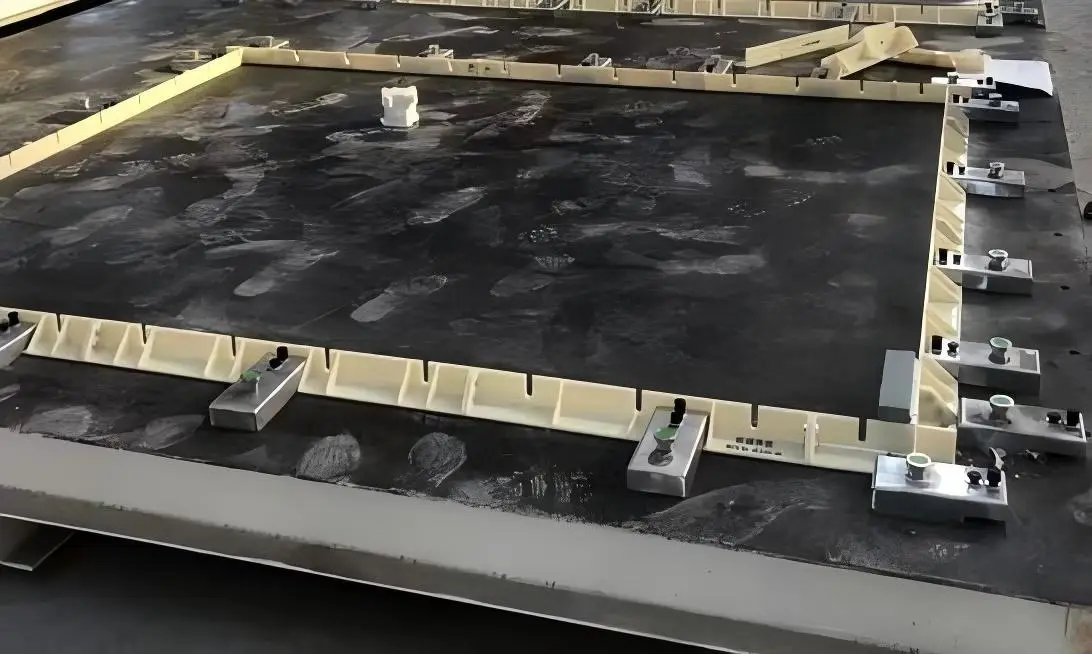
One of the primary functions of formwork magnets is to hold formwork panels securely in place during the pouring of concrete. This is crucial because any movement of the formwork can lead to imperfections in the finished structure. The strength of these magnets allows them to function effectively on various surfaces, ensuring that the formwork remains stable under the weight and pressure of the concrete.
In addition to their stability features, formwork magnets offer several advantages over traditional fastening methods. They eliminate the need for mechanical fasteners, which can be time-consuming to install and remove. Instead, formwork magnets can be quickly and easily positioned, allowing for a more streamlined construction process. This efficiency not only saves time but also reduces labor costs, contributing to overall project profitability.
Furthermore, formwork magnets are versatile and can be used in a variety of settings beyond traditional concrete pouring. They can be utilized in prefabrication processes, where components are manufactured off-site and then assembled on location. This adaptability makes formwork magnets a valuable tool for manufacturers and contractors seeking to optimize their workflows.
Another significant benefit of formwork magnets is their ability to provide precise alignment. In electrical applications, accurate positioning of components is critical. Formwork magnets can be employed to hold electrical panels or components in place during assembly, ensuring that everything is aligned correctly for optimal performance. This precision is particularly important in applications where electromagnetic interference could affect functionality.
Moreover, the durability of formwork magnets is noteworthy. They are typically designed to withstand harsh working conditions, including exposure to moisture and extreme temperatures. This resilience ensures a long service life, making them a cost-effective choice for businesses in the electrical and magnetic materials sector.
In summary, formwork magnets serve as essential tools in various applications, particularly in construction and electrical assembly. Their ability to provide stability, efficiency, and precision makes them indispensable in today’s fast-paced industrial environment. Understanding their functionality and advantages can empower professionals to make informed decisions, improving their operational workflows and project outcomes. As industries continue to evolve, the role of formwork magnets will undoubtedly expand, making them a topic worth exploring further.
MORE
18 Jan,2025
Magnetic Box Maintenance Notice Manual
Before using the magnetic box, check whether the bottom of the magnetic block and the platform are clean and flat.
DETAILS

13 Oct,2026
Magnetic Shuttering: Enhancing Efficiency in Electrical Applications
Magnetic Shuttering: Enhancing Efficiency in Electrical Applications
Table of Contents
1. Introduction to Magnetic Shuttering
2. Understanding the Basics of Magnetic Materials
3. The Role of Magnetic Shuttering in Electrical Applications
4. Key Benefits of Magnetic Shuttering Technology
4.1 Improved Energy Efficiency
4.2 Enhanced Operational Reliability
4.3 Cost-Effectiveness
5. Applications of Ma
DETAILS

Ningbo Yati Metal Products Co., Ltd.
No. 55, Meiliangqiao Village, Hengjie Town, Haishu District, Ningbo City, Zhejiang Province