Understanding Precast Formwork Magnets: A Key Component in Construction Efficiency
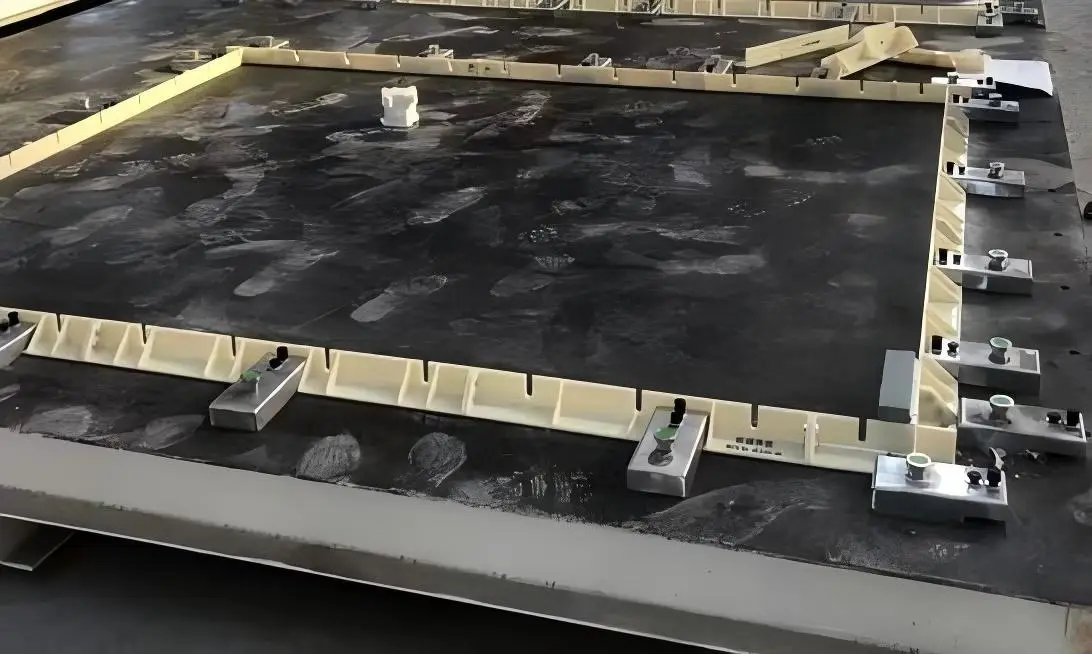
Precast formwork magnets are innovative devices used in the construction industry to secure formwork panels in place during the pouring of concrete. Their magnetic properties enable strong adhesion to steel surfaces, making them an essential tool for forming complex structures with precision. Understanding the mechanics and applications of these magnets is vital for professionals engaged in constr
Precast formwork magnets are innovative devices used in the construction industry to secure formwork panels in place during the pouring of concrete. Their magnetic properties enable strong adhesion to steel surfaces, making them an essential tool for forming complex structures with precision. Understanding the mechanics and applications of these magnets is vital for professionals engaged in construction, engineering, or any related fields focusing on magnetic materials.
One of the primary advantages of using precast formwork magnets is their ability to expedite the construction process. By securely holding formwork in place, these magnets eliminate the need for cumbersome clamps and ties, reducing setup time significantly. This efficiency not only accelerates project timelines but also minimizes labor costs, allowing teams to allocate resources more effectively.
Another noteworthy benefit of precast formwork magnets is their versatility. They can be used in various applications, including walls, columns, and slabs. Their adaptability makes them suitable for different construction projects, from residential buildings to large-scale commercial structures. Moreover, the magnets can be easily repositioned, allowing for flexibility in design changes during the construction phase.
In addition to their practical benefits, precast formwork magnets contribute to improved safety on construction sites. By providing a stable and secure framework for concrete pouring, these magnets reduce the risk of formwork failure, which can lead to accidents and costly delays. Utilizing these magnets not only enhances safety but also ensures a higher quality finish for concrete structures, as they maintain the desired shape and alignment throughout the curing process.
For electrical engineers and professionals involved in manufacturing magnetic materials, understanding the specifications and types of precast formwork magnets is essential. These magnets are typically manufactured from high-quality materials that ensure durability and strength. It’s crucial to consider factors such as magnetic pull force, size, and compatibility with different formwork systems when selecting the right magnets for your projects.
In conclusion, precast formwork magnets represent a significant advancement in construction practices, especially for professionals within the electrical engineering and magnetic materials sectors. Their ability to enhance efficiency, safety, and adaptability makes them an invaluable asset on any construction site. By leveraging the benefits of precast formwork magnets, industry professionals can improve project outcomes and ensure a smooth construction process.
MORE
18 Jan,2025
Magnetic Box Maintenance Notice Manual
Before using the magnetic box, check whether the bottom of the magnetic block and the platform are clean and flat.
DETAILS

13 Oct,2026
Magnetic Shuttering: Enhancing Efficiency in Electrical Applications
Magnetic Shuttering: Enhancing Efficiency in Electrical Applications
Table of Contents
1. Introduction to Magnetic Shuttering
2. Understanding the Basics of Magnetic Materials
3. The Role of Magnetic Shuttering in Electrical Applications
4. Key Benefits of Magnetic Shuttering Technology
4.1 Improved Energy Efficiency
4.2 Enhanced Operational Reliability
4.3 Cost-Effectiveness
5. Applications of Ma
DETAILS

Ningbo Yati Metal Products Co., Ltd.
No. 55, Meiliangqiao Village, Hengjie Town, Haishu District, Ningbo City, Zhejiang Province