Understanding Precast Magnets: Innovations in Magnetic Materials
Precast magnets have emerged as a significant advancement in the field of magnetic materials, particularly within the electrical engineering sector. These magnets are manufactured using a unique process that allows for precise control over their shape, size, and magnetic properties, making them an essential component in various applications. One of the key advantages of precast magnets is their ab
Precast magnets have emerged as a significant advancement in the field of magnetic materials, particularly within the electrical engineering sector. These magnets are manufactured using a unique process that allows for precise control over their shape, size, and magnetic properties, making them an essential component in various applications.
One of the key advantages of precast magnets is their ability to be produced in specific shapes and configurations tailored to meet the needs of different projects. This versatility makes them ideal for use in a wide range of applications, from motors and generators to sensors and actuators. By utilizing precast magnets, engineers can optimize the performance of their devices, ensuring greater efficiency and reliability.
The technology behind precast magnets involves the use of advanced materials and manufacturing techniques. Typically, these magnets are made from sintered neodymium-iron-boron (NdFeB), a high-performance material known for its exceptional magnetic strength. The precasting process allows for a controlled environment where the magnetic properties can be finely tuned, resulting in magnets that exhibit superior performance compared to traditional options.
Another notable benefit of precast magnets is their uniformity in composition and magnetic properties. This consistency ensures that the magnets perform reliably across various applications, reducing the likelihood of failure due to inconsistencies in material quality. As a result, industries that rely on magnetic materials can benefit from improved overall system performance and reduced maintenance costs.
In addition to their technical advantages, precast magnets offer designers and engineers more creative freedom. By allowing for custom shapes and sizes, these magnets can be integrated into designs that may have previously been limited by traditional magnet forms. This innovation not only enhances the aesthetic appeal of products but also improves their functionality.
Moreover, the use of precast magnets aligns with the trend toward sustainable practices in manufacturing. The efficient production process and reduced waste associated with precasting contribute to environmentally friendly manufacturing practices. This is an important consideration for companies looking to improve their sustainability metrics and reduce their carbon footprint.
In conclusion, precast magnets represent a significant evolution in magnetic materials, providing numerous benefits that enhance product performance and enable innovative design solutions. As the demand for high-quality, efficient magnetic solutions continues to grow, understanding the role and advantages of precast magnets will be essential for professionals in the electrical engineering and magnetic materials industries. Embracing these advancements will not only lead to better products but also drive innovation in the field.
MORE
18 Jan,2025
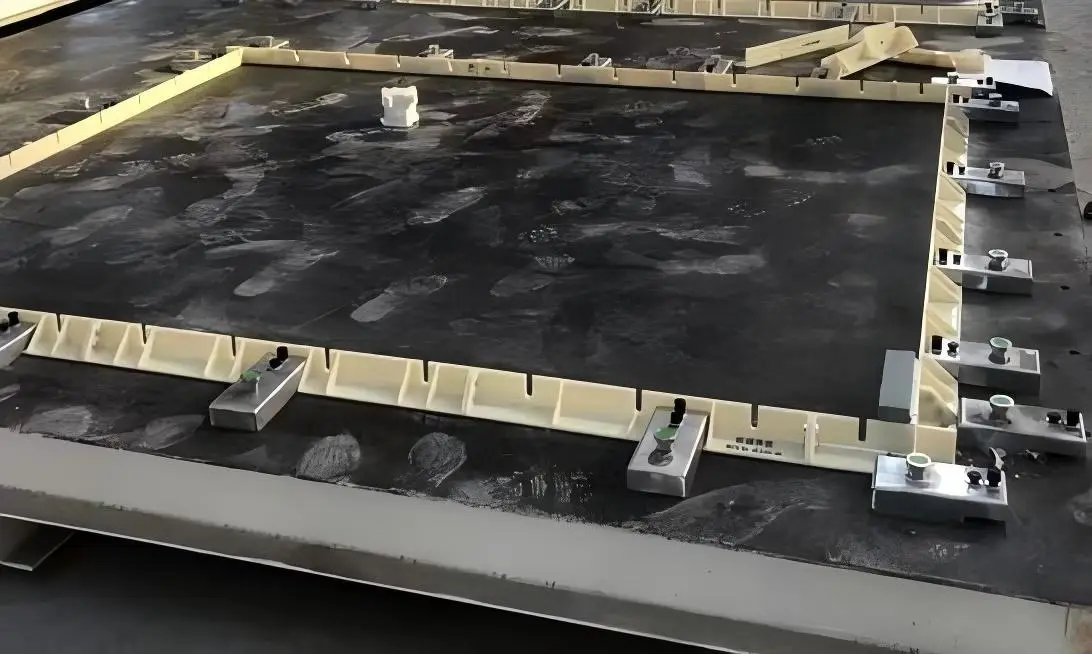
Magnetic Box Maintenance Notice Manual
Before using the magnetic box, check whether the bottom of the magnetic block and the platform are clean and flat.
DETAILS

13 Oct,2026
Magnetic Shuttering: Enhancing Efficiency in Electrical Applications
Magnetic Shuttering: Enhancing Efficiency in Electrical Applications
Table of Contents
1. Introduction to Magnetic Shuttering
2. Understanding the Basics of Magnetic Materials
3. The Role of Magnetic Shuttering in Electrical Applications
4. Key Benefits of Magnetic Shuttering Technology
4.1 Improved Energy Efficiency
4.2 Enhanced Operational Reliability
4.3 Cost-Effectiveness
5. Applications of Ma
DETAILS

Ningbo Yati Metal Products Co., Ltd.
No. 55, Meiliangqiao Village, Hengjie Town, Haishu District, Ningbo City, Zhejiang Province