Understanding Precast Socket Magnets: A Comprehensive Guide for Electrical Professionals
Precast socket magnets are innovative components utilized across a variety of electrical applications. These magnets are designed to be embedded within precast concrete structures, thus providing a means of effectively securing electrical devices or fixtures without compromising the structural integrity of the concrete. The ability to create a strong magnetic hold in a non-invasive manner is one o
Precast socket magnets are innovative components utilized across a variety of electrical applications. These magnets are designed to be embedded within precast concrete structures, thus providing a means of effectively securing electrical devices or fixtures without compromising the structural integrity of the concrete. The ability to create a strong magnetic hold in a non-invasive manner is one of the primary advantages of using precast socket magnets.
One of the key features of precast socket magnets is their versatility. They can be used in various settings, from commercial buildings to residential constructions, making them a popular choice for many electrical engineers. By integrating these magnets during the precasting process, engineers can ensure that magnetic fixtures are uniformly distributed and easily accessible. This approach not only streamlines installation but also allows for flexibility in design and layout adjustments.
The manufacturing process of precast socket magnets typically involves the incorporation of neodymium or ferrite magnets, which are known for their superior magnetic properties. Neodymium magnets, in particular, offer an exceptional strength-to-weight ratio, which makes them ideal for applications that require robust magnetic performance without adding excessive bulk. On the other hand, ferrite magnets are more cost-effective and provide a reliable alternative for less demanding applications.
When selecting precast socket magnets for your projects, it's crucial to consider factors such as load capacity, environmental conditions, and the specific requirements of the electrical components you intend to secure. These considerations will help you choose the right type and strength of magnet, ensuring optimal performance and safety in your installations.
Another significant advantage of employing precast socket magnets is the ease of maintenance. Because these magnets are embedded within the concrete, they are less susceptible to physical damage from external forces or environmental factors. This durability results in a longer lifespan and reduced maintenance costs, making them a cost-effective solution in the long run.
In summary, precast socket magnets represent a pivotal advancement in the electrical engineering sector, offering practical solutions for securing devices and fixtures within concrete structures. Their inherent versatility, robust performance, and minimal maintenance requirements make them a valuable asset for electrical professionals looking to optimize their designs and installations. Whether you are involved in new construction or renovation projects, understanding the role and benefits of precast socket magnets can significantly enhance your operational efficiency and project outcomes.
MORE
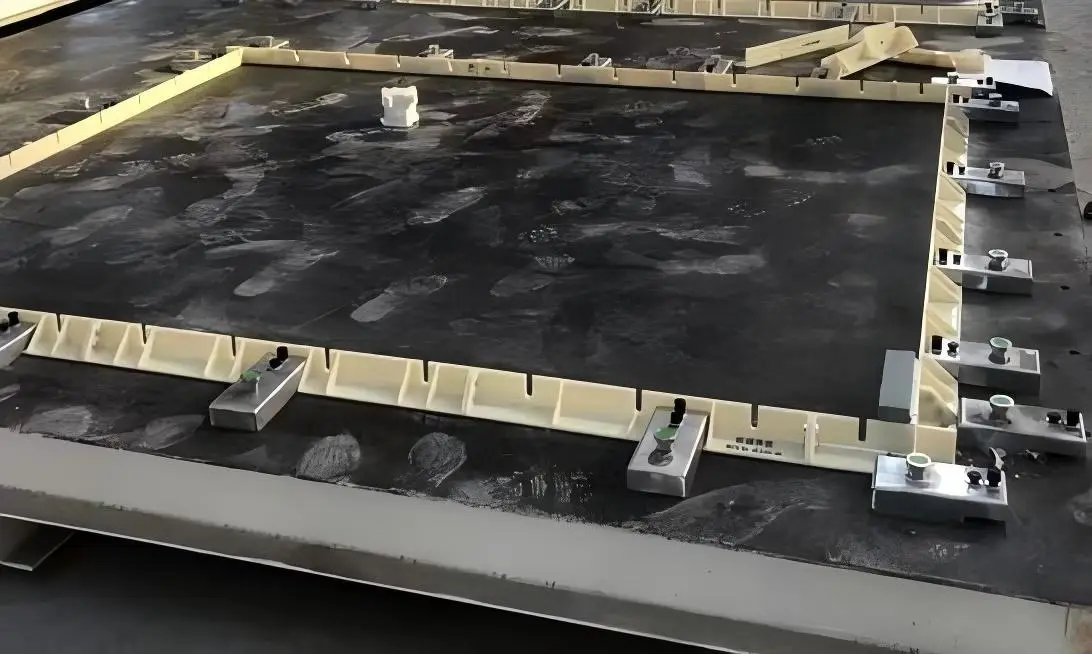
18 Jan,2025
Magnetic Box Maintenance Notice Manual
Before using the magnetic box, check whether the bottom of the magnetic block and the platform are clean and flat.
DETAILS

13 Oct,2026
Magnetic Shuttering: Enhancing Efficiency in Electrical Applications
Magnetic Shuttering: Enhancing Efficiency in Electrical Applications
Table of Contents
1. Introduction to Magnetic Shuttering
2. Understanding the Basics of Magnetic Materials
3. The Role of Magnetic Shuttering in Electrical Applications
4. Key Benefits of Magnetic Shuttering Technology
4.1 Improved Energy Efficiency
4.2 Enhanced Operational Reliability
4.3 Cost-Effectiveness
5. Applications of Ma
DETAILS

Ningbo Yati Metal Products Co., Ltd.
No. 55, Meiliangqiao Village, Hengjie Town, Haishu District, Ningbo City, Zhejiang Province