Understanding the Role of Formwork Magnets in Precast Concrete Construction
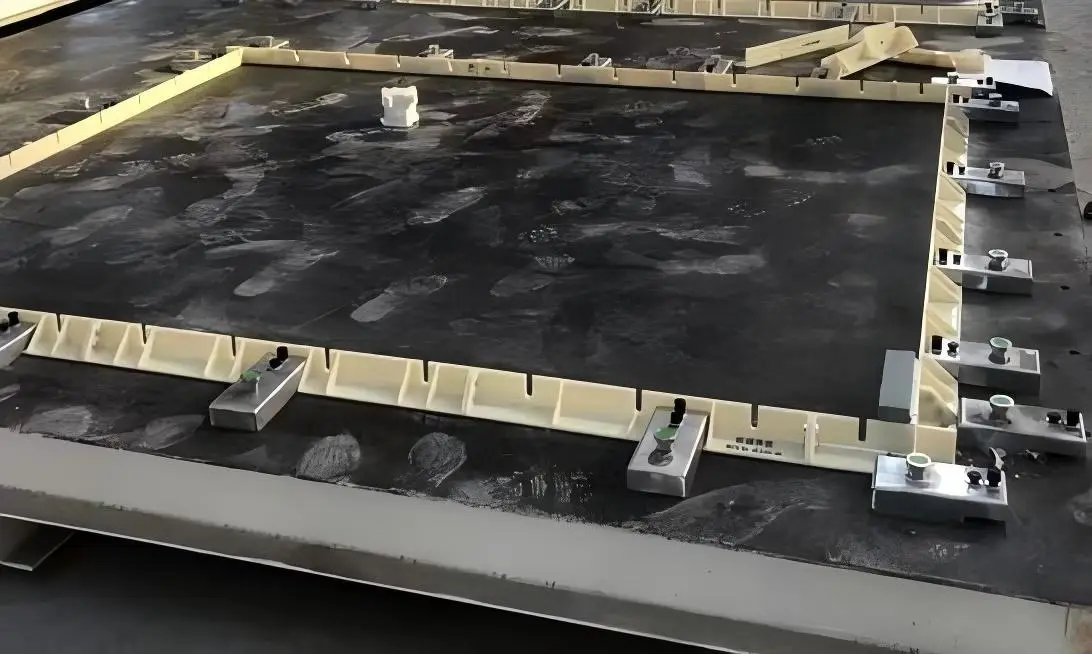
In the realm of precast concrete construction, formwork magnets have emerged as a vital component that facilitates the efficient and precise assembly of concrete forms. These magnets are particularly designed to hold formwork securely in place during the concrete pouring process, ensuring that the final product adheres to the desired specifications. Formwork magnets are typically constructed from
In the realm of precast concrete construction, formwork magnets have emerged as a vital component that facilitates the efficient and precise assembly of concrete forms. These magnets are particularly designed to hold formwork securely in place during the concrete pouring process, ensuring that the final product adheres to the desired specifications.
Formwork magnets are typically constructed from high-strength magnetic materials that provide a strong and reliable hold on steel surfaces. Their design allows for easy attachment and detachment, making them ideal for repetitive use in a precast environment. The ability to quickly reposition formwork is crucial in maintaining production timelines and maximizing workflow efficiency. By utilizing these magnets, contractors can streamline their operations, minimizing the time and labor associated with traditional fastening methods.
 One of the key advantages of using formwork magnets is the improved accuracy they provide in maintaining form alignment. Precision is critical in precast concrete construction, as any misalignment can lead to structural issues and increased costs. The magnetic hold allows for fine adjustments to be made easily, ensuring that each piece of precast concrete meets the high standards required in the industry.
Additionally, formwork magnets reduce the need for additional hardware, such as clamps or bolts, which can complicate the formwork assembly process. This not only simplifies the setup but also reduces the risk of damage to the formwork itself and the potential for defects in the final concrete product. The use of magnets can also lead to a cleaner working environment, as there are fewer components to manage and less debris created during the installation process.
The versatility of formwork magnets extends to various types of precast elements, from walls and slabs to intricate architectural features. Their adaptability makes them suitable for different projects, whether large-scale commercial developments or specialized architectural designs. As the demand for precast concrete solutions grows, the reliance on innovative tools like formwork magnets will likely continue to increase.
In summary, formwork magnets play a crucial role in the efficiency and effectiveness of precast concrete construction. They offer a combination of strength, ease of use, and precision that traditional fastening methods cannot match. Understanding their functionality and advantages can empower construction professionals to enhance their projects while ensuring high-quality results. As the industry evolves, embracing such innovations will be key to staying competitive and meeting the challenges of modern construction.
MORE
18 Jan,2025
Magnetic Box Maintenance Notice Manual

13 Oct,2026
Magnetic Shuttering: Enhancing Efficiency in Electrical Applications

Ningbo Yati Metal Products Co., Ltd.
No. 55, Meiliangqiao Village, Hengjie Town, Haishu District, Ningbo City, Zhejiang Province