Unlocking the Potential of Precast Construction with Advanced Formwork Magnets
Unlocking the Potential of Precast Construction with Advanced Formwork Magnets Table of Contents Introduction to Precast Construction What Are Formwork Magnets? Benefits of Advanced Formwork Magnets in Precast Construction How Do Formwork Magnets Work? Applications of Formwork Magnets in Precast Construction Choosing the Right Formwork Magnets for Your Project The Future of Precast
Unlocking the Potential of Precast Construction with Advanced Formwork Magnets
Table of Contents
- Introduction to Precast Construction
- What Are Formwork Magnets?
- Benefits of Advanced Formwork Magnets in Precast Construction
- How Do Formwork Magnets Work?
- Applications of Formwork Magnets in Precast Construction
- Choosing the Right Formwork Magnets for Your Project
- The Future of Precast Construction with Magnetic Technology
- FAQs
- Conclusion
Introduction to Precast Construction
Precast construction is a method that involves manufacturing concrete components in a controlled environment before transporting them to the construction site. This technique offers numerous advantages, including improved quality control, reduced construction time, and minimized labor costs. The integration of **advanced technologies**, such as **formwork magnets**, further enhances these benefits, making precast construction even more efficient and reliable.

What Are Formwork Magnets?
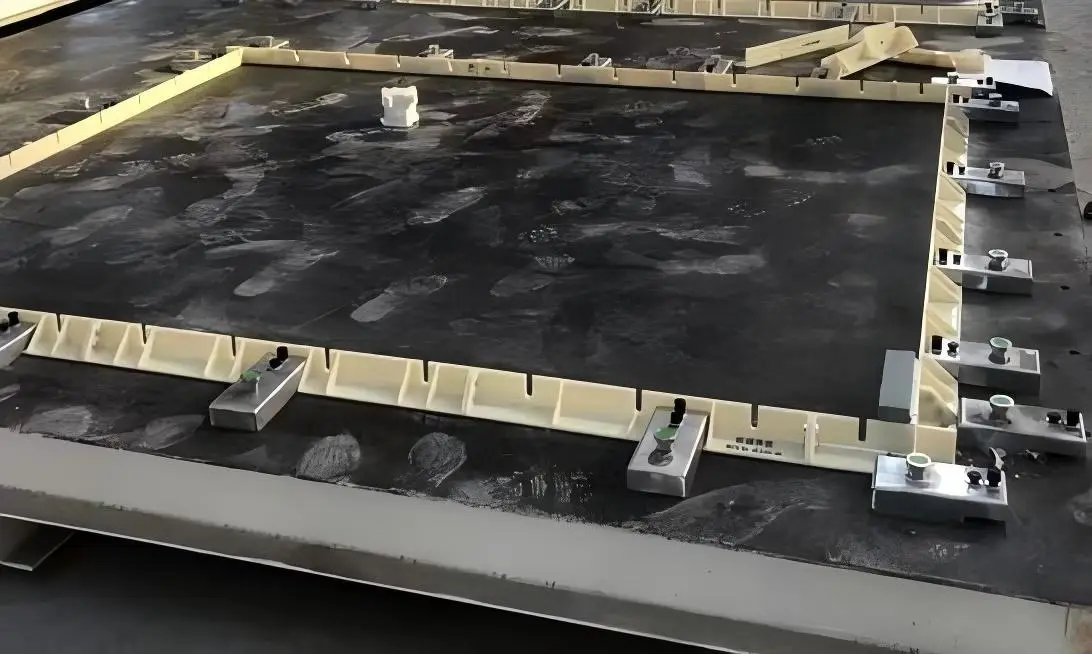
Formwork magnets are specialized devices designed to hold formwork panels in place during the casting of concrete. These magnets utilize powerful magnetic forces to securely fasten the formwork, allowing for a precise and stable environment for concrete curing. Available in various sizes and strengths, formwork magnets can easily adapt to different project requirements, contributing to greater flexibility in construction processes.
Types of Formwork Magnets
There are several types of formwork magnets used in precast construction:
- Standard Magnets: These are basic models used for general applications.
- Heavy-Duty Magnets: Designed for larger and more complex formwork setups, these magnets provide enhanced holding strength.
- Custom Magnets: Tailored solutions for unique project specifications, these magnets are engineered to meet specific requirements.
Benefits of Advanced Formwork Magnets in Precast Construction
The incorporation of advanced formwork magnets in precast construction offers a multitude of benefits:
1. Increased Efficiency
Formwork magnets significantly reduce setup time. Traditional fastening methods can be time-consuming, whereas magnets can be positioned quickly and securely, enabling faster assembly of formwork systems.
2. Enhanced Precision
With the use of formwork magnets, the alignment of formwork is maintained more accurately, which leads to improved dimensional consistency in precast components. This precision reduces the need for adjustments, saving both time and materials.
3. Cost Savings
By improving efficiency and reducing waste, formwork magnets contribute to lower overall project costs. With less labor required for setup and adjustment, construction teams can focus on other critical tasks.
4. Improved Safety
The use of magnets minimizes the need for manual handling of heavy formwork panels. This reduction in manual labor decreases the risk of workplace injuries, fostering a safer working environment.
5. Versatility in Design
Formwork magnets allow for greater design flexibility. They can be easily repositioned to accommodate different formwork shapes and sizes, making them ideal for a wide range of precast applications.
How Do Formwork Magnets Work?
Understanding the mechanics behind formwork magnets is essential for maximizing their potential. Formwork magnets employ magnetic forces to create a secure attachment to metal surfaces. The operation typically involves the following steps:
1. Placement
Magnets are strategically placed on the formwork panels before they are positioned. Their powerful magnetic field allows them to secure the panels without additional fastening hardware.
2. Activation
To engage the magnets, a simple mechanism, often a lever or switch, is activated. This creates a strong magnetic bond between the magnet and the formwork, holding it in place during the pouring and curing of the concrete.
3. Removal
Once the concrete has cured, the magnets can be easily deactivated and removed, allowing for quick and efficient disassembly of the formwork.
Applications of Formwork Magnets in Precast Construction
Formwork magnets find application across various facets of precast construction:
1. Wall Panels
In the production of precast wall panels, formwork magnets ensure that the panels are held securely during the casting process, resulting in high-quality, uniform products.
2. Slabs
For precast flooring systems, magnets facilitate the rapid assembly of slab formwork, enabling contractors to complete projects on schedule without compromising quality.
3. Decorative Elements
Incorporating aesthetics into precast components is made easier with formwork magnets. They allow for intricate designs to be realized while maintaining structural integrity.
4. Customized Solutions
For unique projects requiring specialized forms, formwork magnets can be adapted to create custom solutions that meet specific engineering and design requirements.
Choosing the Right Formwork Magnets for Your Project
Selecting the appropriate formwork magnets is crucial for optimizing their benefits. Consider the following factors:
1. Holding Force
Evaluate the weight and dimensions of the formwork panels to determine the required holding force of the magnets. Heavy-duty applications will necessitate stronger magnets.
2. Size and Design
Choose magnets that fit well within the overall design of your formwork system. Custom sizes may be necessary for complex shapes or tight spaces.
3. Ease of Use
Look for magnets that are user-friendly and easy to operate. Features such as toggle switches for activation can enhance efficiency during setup and removal.
4. Durability
Opt for high-quality materials that ensure longevity and resistance to wear and tear, suitable for the rigorous demands of the precast construction environment.
The Future of Precast Construction with Magnetic Technology
As the construction industry continues to evolve, the role of advanced formwork magnets is expected to expand. Innovations in **magnetic technology** are paving the way for even more efficient and flexible construction methods. Future advancements may include:
1. Smart Magnets
Integration of IoT technology could lead to the development of smart magnets equipped with sensors to monitor formwork stability and alignment in real-time.
2. Automation
The growing trend towards automation in construction processes may see magnets being used in automated systems for increased efficiency and reduced labor costs.
3. Sustainable Practices
As sustainability becomes a priority, magnets will play a vital role in reducing material waste and enhancing recycling efforts in precast construction.
FAQs
1. What is the primary advantage of using formwork magnets in precast construction?
The primary advantage is the significant increase in efficiency and precision during the setup of formwork, ultimately leading to cost savings and reduced construction time.
2. Can formwork magnets be used for all types of precast products?
Yes, formwork magnets can be adapted for various precast applications, including wall panels, slabs, and decorative elements, providing versatility in design and construction.
3. How do I determine the right holding force for my project?
Consider the weight and dimensions of your formwork panels. Consulting with suppliers can also provide insights into the appropriate holding force needed for your specific applications.
4. Are there any safety concerns with using formwork magnets?
While formwork magnets enhance safety by reducing manual handling, it is essential to follow operating procedures to prevent accidents related to the powerful magnetic forces.
5. What is the lifespan of formwork magnets?
The lifespan of formwork magnets depends on the quality of materials used and the conditions of use. High-quality magnets can last for many years with proper care and maintenance.
Conclusion
The integration of advanced formwork magnets into precast construction represents a significant leap forward in efficiency, precision, and safety. By understanding their functionality and benefits, construction professionals can unlock new potentials in their projects. As technology continues to evolve, embracing these innovations will be critical in staying competitive in the ever-changing landscape of the construction industry. Emphasizing sustainability, safety, and efficiency will ensure that precast construction remains a viable and attractive option for developers and builders alike.
MORE
18 Jan,2025
Magnetic Box Maintenance Notice Manual

13 Oct,2026
Magnetic Shuttering: Enhancing Efficiency in Electrical Applications

Ningbo Yati Metal Products Co., Ltd.
No. 55, Meiliangqiao Village, Hengjie Town, Haishu District, Ningbo City, Zhejiang Province