A Deep Dive into Precast Formwork Magnet Box Applications: Revolutionizing the Construction Industry
A Deep Dive into Precast Formwork Magnet Box Applications Table of Contents 1. Introduction to Precast Formwork Magnet Boxes 2. What Are Precast Formwork Magnet Boxes? 3. Benefits of Using Magnet Boxes in Precast Formwork 4. Applications of Precast Formwork Magnet Boxes in Construction 5. Installation Process for Precast Formwork Magnet Boxes 6. Performance and Efficacy of
A Deep Dive into Precast Formwork Magnet Box Applications
Table of Contents
- 1. Introduction to Precast Formwork Magnet Boxes
- 2. What Are Precast Formwork Magnet Boxes?
- 3. Benefits of Using Magnet Boxes in Precast Formwork
- 4. Applications of Precast Formwork Magnet Boxes in Construction
- 5. Installation Process for Precast Formwork Magnet Boxes
- 6. Performance and Efficacy of Magnet Boxes
- 7. The Future of Magnet Technology in Construction
- 8. Frequently Asked Questions (FAQs)
- 9. Conclusion
1. Introduction to Precast Formwork Magnet Boxes
The construction industry has witnessed significant innovations over the years, leading to enhanced efficiency, safety, and cost-effectiveness. One such advancement is the use of precast formwork magnet boxes. These ingenious devices serve as a crucial component in modern construction, enabling seamless and efficient processes. By utilizing magnetic technology, precast formwork magnet boxes have revolutionized how concrete molds are assembled and secured, ultimately streamlining construction projects and improving overall quality.
In this article, we will explore the intricacies of precast formwork magnet boxes, including their definition, benefits, applications, installation processes, and future advancements. Our goal is to provide a comprehensive understanding of how these devices are changing the construction landscape.
2. What Are Precast Formwork Magnet Boxes?
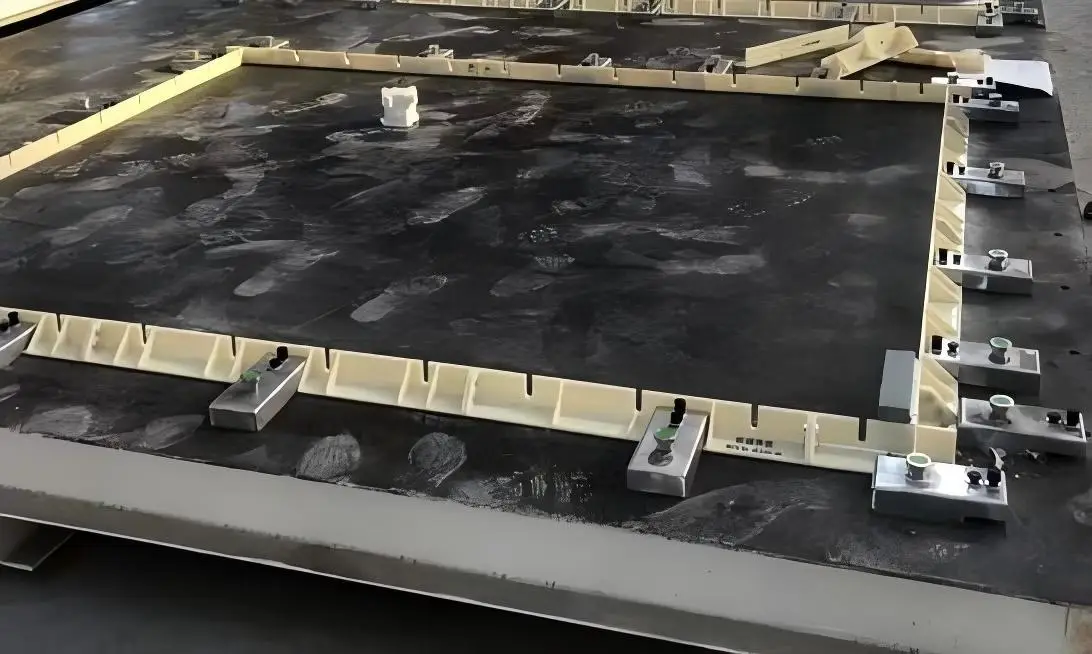
Precast formwork magnet boxes are specialized components used in the construction of concrete structures. These boxes house powerful magnets that securely attach to metal formwork, ensuring precise alignment and stability during the pouring and setting of concrete. The primary function of a magnet box is to replace traditional fastening methods, such as clamps and bolts, which can be time-consuming and labor-intensive.
Magnet boxes come in various sizes and strengths, making them adaptable for different construction applications. This flexibility allows contractors to customize their use based on the specific requirements of a project, making them an essential tool in modern construction practices.
3. Benefits of Using Magnet Boxes in Precast Formwork
The advantages of utilizing precast formwork magnet boxes are numerous, ranging from efficiency gains to enhanced safety. Here are some key benefits:
3.1 Increased Efficiency
One of the primary benefits of magnet boxes is the speed at which they can be deployed. Unlike traditional fastening methods that require multiple steps and tools, magnet boxes can be positioned and activated quickly, significantly reducing setup time. This increased efficiency leads to faster project completion times, allowing contractors to take on more projects within the same timeframe.
3.2 Enhanced Safety
Safety is a paramount concern in construction. The use of magnet boxes minimizes the need for manual handling of heavy clamps and bolts, reducing the risk of injuries related to lifting and securing formwork. Additionally, the secure attachment provided by magnetic technology ensures that formwork remains stable during the pouring process, mitigating the risk of accidents associated with structural failure.
3.3 Cost-Effectiveness
While the initial investment in magnet boxes may be higher than traditional fastening systems, the long-term savings are substantial. Reduced labor costs, faster project durations, and minimized material waste contribute to overall cost-effectiveness. Furthermore, the longevity and durability of magnet boxes mean they can be reused across multiple projects, further enhancing their value.
3.4 Versatility
Magnet boxes are highly versatile and compatible with various types of formwork materials, including steel and aluminum. This adaptability makes them suitable for a wide range of applications, from residential buildings to large-scale commercial projects.
4. Applications of Precast Formwork Magnet Boxes in Construction
Precast formwork magnet boxes find applications across various aspects of construction, making them indispensable in modern building practices. Here are some notable applications:
4.1 Residential Construction
In residential construction, magnet boxes are used to create concrete walls, foundations, and slabs. Their ability to provide accurate alignments ensures that homes are built to precise specifications, enhancing structural integrity.
4.2 Commercial Building Projects
Large commercial projects, including office buildings and shopping centers, benefit from the efficiency and reliability of magnet boxes. The ability to quickly assemble and disassemble formwork contributes to expedited project timelines, enabling businesses to occupy their spaces sooner.
4.4 Infrastructure Development
Infrastructure projects, such as bridges, tunnels, and railways, require robust and reliable construction practices. Magnet boxes provide the necessary stability and support for these demanding applications, ensuring safety and longevity.
4.5 Precast Concrete Elements
Magnet boxes are also used in the production of precast concrete elements, such as panels and beams. By facilitating the precise alignment of molds, they ensure that precast components meet strict engineering standards.
5. Installation Process for Precast Formwork Magnet Boxes
The installation process for precast formwork magnet boxes is straightforward, contributing to their appeal in construction projects. Here is a step-by-step outline of the procedure:
5.1 Planning and Design
Before installation, careful planning is essential. The construction team must assess the project requirements and determine the appropriate size and strength of magnet boxes needed for the specific application.
5.2 Formwork Preparation
The formwork should be cleaned and inspected for any damage prior to the installation of magnet boxes. Ensuring that the surface is smooth will allow the magnets to adhere effectively.
5.3 Positioning Magnet Boxes
Once the formwork is prepared, the magnet boxes can be positioned according to the design specifications. This involves placing the boxes on the designated areas of the formwork where concrete will be poured.
5.4 Activating the Magnets
After positioning, the magnets within the boxes are activated, securely attaching them to the formwork. This process is quick and requires minimal manual effort.
5.5 Pouring Concrete
With the magnets activated, the concrete can be poured into the formwork. The stability provided by the magnet boxes ensures that the structure holds its shape during the setting process.
5.6 Disassembly
After the concrete has cured, the magnet boxes can be deactivated and removed easily, allowing for quick disassembly and reuse.
6. Performance and Efficacy of Magnet Boxes
The performance of precast formwork magnet boxes is a critical factor in their adoption in construction. Here, we evaluate their efficacy in various scenarios:
6.1 Testing Strength and Durability
Magnet boxes are rigorously tested for strength and durability to ensure they can withstand the forces exerted during the concrete pouring process. Their robust construction allows them to maintain performance even in challenging conditions.
6.2 Real-World Performance
Case studies from various construction sites demonstrate that magnet boxes have consistently outperformed traditional fastening methods in terms of speed and reliability. These real-world applications reinforce the benefits discussed earlier.
6.3 Feedback from Contractors
Contractors have reported high satisfaction levels with the use of magnet boxes, noting improvements in efficiency, safety, and overall project quality. This positive feedback further solidifies their place in modern construction practices.
7. The Future of Magnet Technology in Construction
As technology continues to advance, the future of magnet boxes and magnetic technology in construction is promising. Innovations may include:
7.1 Enhanced Magnetic Materials
Research into stronger and more durable magnetic materials could lead to even more effective magnet boxes. These advancements may allow for the use of lighter materials while maintaining strength.
7.2 Integration with Digital Technology
The integration of digital technology, such as sensors and IoT devices, could enable real-time monitoring of the performance of magnet boxes during construction. This data-driven approach can lead to further efficiencies and improved safety measures.
7.3 Sustainability Initiatives
As sustainability becomes a key focus in construction, magnet boxes can be designed with environmentally friendly materials and processes, aligning with industry goals for reduced waste and energy consumption.
8. Frequently Asked Questions (FAQs)
8.1 What is the primary function of precast formwork magnet boxes?
Precast formwork magnet boxes secure and align formwork during concrete pouring, replacing traditional fastening methods for improved efficiency.
8.2 Are magnet boxes reusable?
Yes, magnet boxes are designed for multiple uses, making them a cost-effective solution for various construction projects.
8.3 Can magnet boxes be used with different types of formwork materials?
Absolutely, magnet boxes are highly versatile and can be used with steel, aluminum, and other formwork materials.
8.4 How do magnet boxes enhance safety on construction sites?
By reducing the need for heavy lifting and manual fastening, magnet boxes minimize the risk of injuries and provide secure formwork during the concrete setting process.
8.5 What are the long-term benefits of using magnet boxes?
Long-term benefits include reduced labor costs, faster project completion times, and improved structural integrity of concrete projects.
9. Conclusion
Precast formwork magnet boxes represent a significant advancement in construction technology, offering a range of benefits that enhance efficiency, safety, and cost-effectiveness. Their versatility and ease of use make them indispensable in various applications, from residential buildings to large-scale infrastructure projects. As the construction industry continues to evolve, the integration of magnetic technology will play a pivotal role in shaping future practices. By adopting precast formwork magnet boxes, contractors can not only streamline their operations but also ensure high-quality outcomes in their projects. The future is bright for magnet technology in construction, promising even greater innovations and efficiencies ahead.
MORE
18 Jan,2025
Magnetic Box Maintenance Notice Manual

03 Feb,2026
Precast Concrete Magnet: A Key Tool for Improving Production Efficiency of Prefabricated Components

Ningbo Yati Metal Products Co., Ltd.
No. 55, Meiliangqiao Village, Hengjie Town, Haishu District, Ningbo City, Zhejiang Province