Exploring the Types and Applications of Precast Formwork Magnets: A Comprehensive Guide
Exploring the Types and Applications of Precast Formwork Magnets Table of Contents Introduction to Precast Formwork Magnets Understanding Different Types of Precast Formwork Magnets Applications of Precast Formwork Magnets in Construction Advantages of Using Precast Formwork Magnets Installation Process of Precast Formwork Magnets Maintenance Tips for Precast Formwork Magnets Safety
Exploring the Types and Applications of Precast Formwork Magnets
Table of Contents
- Introduction to Precast Formwork Magnets
- Understanding Different Types of Precast Formwork Magnets
- Applications of Precast Formwork Magnets in Construction
- Advantages of Using Precast Formwork Magnets
- Installation Process of Precast Formwork Magnets
- Maintenance Tips for Precast Formwork Magnets
- Safety Considerations When Using Precast Formwork Magnets
- Future Trends in Precast Formwork Magnet Technology
- Frequently Asked Questions
- Conclusion
Introduction to Precast Formwork Magnets
In the realm of construction and precast concrete manufacturing, **precast formwork magnets** play a pivotal role in enhancing productivity and efficiency. These powerful tools streamline the assembly process and ensure precise alignment of formwork, leading to high-quality concrete products. As the demand for precast concrete structures rises, understanding the types and applications of these magnets becomes crucial.
Understanding Different Types of Precast Formwork Magnets
Precast formwork magnets can be categorized based on their design and functionality. Each type offers unique benefits suited to specific applications.
1. Permanent Magnets
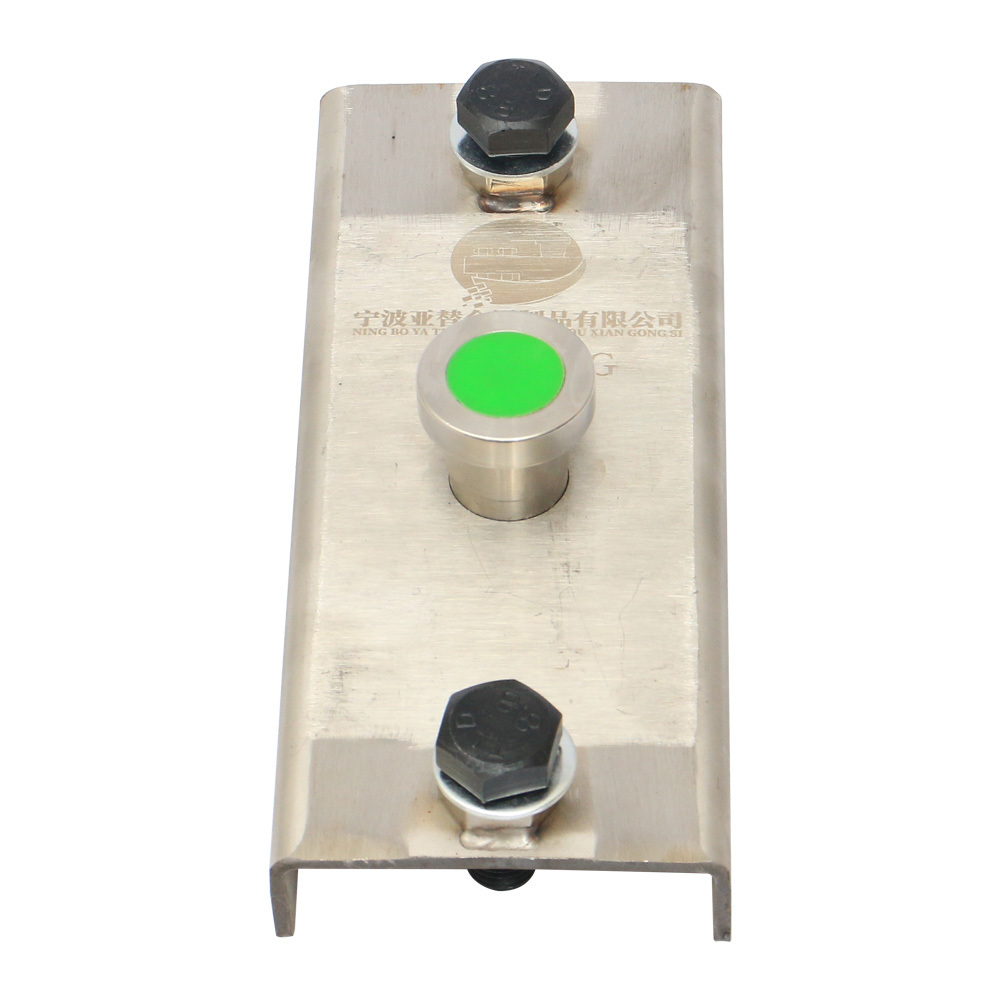
**Permanent magnets** are made from materials that maintain a constant magnetic field without the need for an external power source. These magnets are ideal for various formwork applications due to their reliability and strength. Common materials include ferrite, neodymium, and samarium-cobalt.
2. Electromagnets
**Electromagnets** generate a magnetic field when electricity flows through them. This type of magnet is highly versatile, allowing for adjustable magnetic force. They are commonly used in applications requiring temporary holds or quick adjustments in formwork setups.
3. Magnetic Bars
**Magnetic bars** are elongated magnets that offer a strong grip along their length. They are particularly useful for securing formwork panels and can be easily integrated into existing systems.
4. Magnetic Plates
**Magnetic plates** provide a wide surface area for increased contact with formwork. They are often used for heavy-duty applications where stability is essential during the curing process.
Applications of Precast Formwork Magnets in Construction
Precast formwork magnets have a wide array of applications within the construction industry, enhancing operational efficiency and product quality.
1. Wall Panels
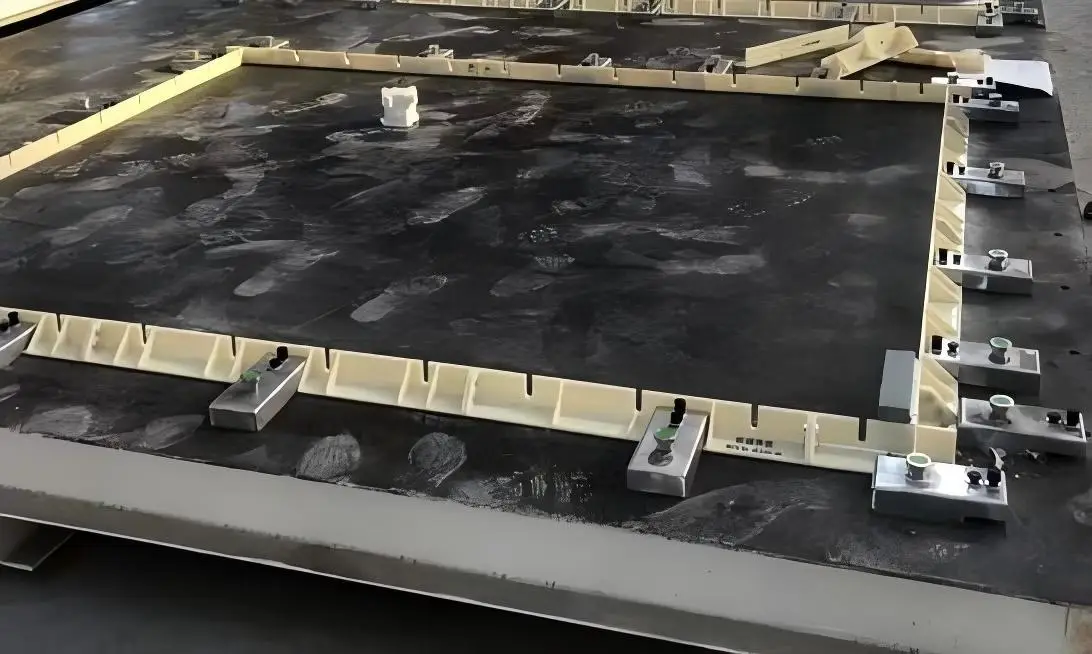
In the production of precast wall panels, magnets ensure that the panels remain securely in place during the pouring of concrete. This ensures uniform thickness and minimizes defects.
2. Floor Slabs
When creating precast floor slabs, magnets help in the alignment of formwork, facilitating a smooth pouring process. This results in robust, even slabs that meet architectural specifications.
3. Architectural Features
Magnets allow for intricate designs and architectural features in precast concrete elements. By providing the necessary support during the curing process, they enable the creation of complex shapes and designs.
4. Retaining Walls
In the construction of retaining walls, magnets are vital for maintaining the structural integrity of the formwork. They help achieve precise angles and stability during concrete placement.
Advantages of Using Precast Formwork Magnets
Utilizing precast formwork magnets offers numerous benefits that significantly enhance construction efficiency and product quality.
1. Increased Efficiency
The use of magnets speeds up the formwork setup process, reducing labor time and costs. With magnets securely holding the formwork in place, workers can focus on other critical tasks, leading to faster project completion.
2. Improved Precision
Magnets provide consistent and reliable alignment, which is crucial for achieving high-quality concrete products. This precision minimizes the risk of defects and ensures compliance with engineering specifications.
3. Enhanced Safety
By securely holding formwork in place, magnets reduce the risk of accidents associated with shifting panels or unstable structures. This contributes to a safer working environment for construction teams.
4. Versatility
Precast formwork magnets can be used in various applications and can be easily adjusted or repositioned as needed. This versatility makes them suitable for a wide range of construction projects.
Installation Process of Precast Formwork Magnets
The installation of precast formwork magnets is a straightforward process that can be accomplished efficiently with the right tools and techniques.
1. Preparing the Formwork
Before installation, ensure that the formwork is clean and free of debris. Any irregularities can affect the performance of the magnets and the quality of the final product.
2. Positioning the Magnets
Place the magnets at strategic points along the formwork to ensure maximum holding strength. Depending on the design and size of the formwork, you may require multiple magnets.
3. Securing the Magnets
Once positioned, secure the magnets using the appropriate fasteners or brackets. Ensure they are tightly fixed to prevent movement during the pouring process.
4. Testing the Setup
Before pouring concrete, conduct a test to ensure that the magnets hold the formwork securely. This step is crucial for preventing any mishaps during the curing process.
Maintenance Tips for Precast Formwork Magnets
Proper maintenance of precast formwork magnets extends their lifespan and ensures consistent performance.
1. Regular Inspections
Conduct regular inspections to check for any signs of wear or damage. Addressing issues early can prevent potential failures during use.
2. Cleaning
Keep magnets clean and free of debris. Use a soft cloth or brush to remove any concrete residue that may accumulate over time.
3. Storage
Store magnets in a dry, clean environment when not in use. Proper storage prevents corrosion and extends the lifespan of the magnets.
4. Professional Servicing
Consider professional servicing for magnets that show signs of significant wear or reduced performance. Expert maintenance can restore functionality and ensure safety.
Safety Considerations When Using Precast Formwork Magnets
Safety is paramount in any construction environment. When using precast formwork magnets, consider the following safety measures:
1. Personal Protective Equipment (PPE)
Ensure that all workers are equipped with appropriate PPE, including gloves, helmets, and steel-toed boots, to minimize the risk of injury.
2. Magnetic Field Awareness
Educate workers about the magnetic fields created by these magnets, particularly if they have pacemakers or other medical implants that may be affected.
3. Secure Handling
Handle magnets with care to prevent injuries. Use proper lifting techniques and tools when transporting heavy magnets.
4. Training
Provide training for all workers on the proper use and handling of precast formwork magnets to mitigate risks and ensure a safe work environment.
Future Trends in Precast Formwork Magnet Technology
As technology advances, the field of precast formwork magnets will likely evolve to incorporate innovative features and enhancements.
1. Smart Magnets
The integration of smart technology could lead to the development of intelligent magnets that can adjust their holding strength based on real-time conditions.
2. Eco-Friendly Materials
Sustainability will drive the creation of magnets made from eco-friendly materials, allowing the construction industry to reduce its carbon footprint.
3. Automation
The rise of automation in construction may lead to the development of automated systems for magnet placement, improving efficiency and reducing manual labor.
Frequently Asked Questions
1. What are precast formwork magnets?
Precast formwork magnets are devices used to hold formwork panels in place during the casting of concrete, ensuring alignment and stability.
2. How do I choose the right type of magnet for my project?
The choice of magnet depends on the specific application, the weight of the formwork, and the desired holding strength. Consult with a professional for tailored advice.
3. Can I use magnets with all types of formwork materials?
While most magnets work well with steel forms, compatibility with other materials should be evaluated to ensure effectiveness.
4. How often should I maintain my magnets?
Regular inspections should be conducted, and maintenance should be performed as needed, typically every few months or before significant projects.
5. Are there any safety risks associated with precast formwork magnets?
Yes, there are safety risks if not handled correctly. It is essential to follow safety guidelines and provide adequate training for all personnel.
Conclusion
In conclusion, **precast formwork magnets** are an essential component in the construction of precast concrete elements, offering numerous benefits such as increased efficiency, improved precision, and enhanced safety. Understanding the different types, applications, and maintenance of these magnets is crucial for industry professionals. As technology continues to evolve, we anticipate exciting advancements that will further refine their functionality and sustainability. Embracing these innovations will lead to even greater efficiency and productivity in the construction sector.
MORE
18 Jan,2025
Magnetic Box Maintenance Notice Manual
Before using the magnetic box, check whether the bottom of the magnetic block and the platform are clean and flat.
DETAILS
08 Apr,2026
Understanding Precast Concrete Magnets: A Guide for Professionals
Precast concrete magnets represent a significant advancement in the construction and manufacturing sectors, particularly for those involved in electrical and magnetic materials. These magnets are designed to facilitate the efficient handling and positioning of precast concrete elements during fabrication and installation processes. Understanding their functionality and benefits can greatly enhance
DETAILS

Ningbo Yati Metal Products Co., Ltd.
No. 55, Meiliangqiao Village, Hengjie Town, Haishu District, Ningbo City, Zhejiang Province