Formwork Magnets vs. Traditional Methods: Which is Best for Precast?
Formwork Magnets vs. Traditional Methods: Which is Best for Precast? Table of Contents 1. Introduction 2. Understanding Precast Concrete 3. Traditional Formwork Methods 4. Introduction to Formwork Magnets 5. Advantages of Formwork Magnets 6. Disadvantages of Formwork Magnets 7. Comparison of Methods 8. Real-World Applications and Case Studies 9. Conclusion
Formwork Magnets vs. Traditional Methods: Which is Best for Precast?
Table of Contents
- 1. Introduction
- 2. Understanding Precast Concrete
- 3. Traditional Formwork Methods
- 4. Introduction to Formwork Magnets
- 5. Advantages of Formwork Magnets
- 6. Disadvantages of Formwork Magnets
- 7. Comparison of Methods
- 8. Real-World Applications and Case Studies
- 9. Conclusion
- 10. FAQs
1. Introduction
In the construction industry, particularly in precast concrete, the choice of formwork is crucial for achieving efficiency, quality, and cost-effectiveness. Traditional methods have long been the norm, but recent technological advancements have introduced innovative alternatives, such as **formwork magnets**. This article delves into the comparison between **formwork magnets** and **traditional methods** to determine which approach is best suited for precast applications.
2. Understanding Precast Concrete
Precast concrete refers to the process of casting concrete in a controlled environment, often in a factory setting, before transferring it to the construction site. This method allows for better quality control, faster construction times, and reduced labor costs. Precast components can include walls, floors, beams, and other structural elements, making it a versatile choice for various construction projects.
3. Traditional Formwork Methods
Traditional formwork methods typically involve wooden or metal forms that are assembled on-site to hold the concrete until it sets. These methods have been in use for decades and, while effective, come with several limitations:
3.1. Limitations of Traditional Formwork
- **Labor-Intensive**: Setting up traditional formwork requires significant manual labor, leading to increased costs and time delays.
- **Inconsistent Quality**: Variability in material quality and workmanship can result in inconsistencies in the finished product.
- **Storage and Transportation**: Traditional formwork materials require space for storage and can be cumbersome to transport, adding to overhead costs.
4. Introduction to Formwork Magnets
Formwork magnets are a modern alternative that uses magnetic systems to hold formwork in place. These magnets can be easily adjusted and repositioned, providing numerous advantages over traditional methods. They are typically used in precast concrete applications, where efficiency and precision are paramount.
5. Advantages of Formwork Magnets
Formwork magnets offer a range of benefits that can significantly enhance the precast concrete process:
5.1. Speed and Efficiency
- **Quick Setup**: Formwork magnets can be installed and repositioned quickly, dramatically reducing setup times.
- **Fewer Labor Requirements**: With less manual labor needed, projects can proceed at a faster pace, allowing for quicker delivery and reduced labor costs.
5.2. Improved Precision
- **Consistent Alignments**: Magnets provide a more precise and reliable method for holding formwork in place, resulting in higher quality finished products with fewer defects.
- **Customization**: Adjustments can be made on-the-fly, allowing for greater flexibility in design changes without the need to dismantle formwork.
5.3. Cost-Effectiveness
- **Reduced Material Waste**: The reuse of formwork magnets reduces the need for new materials, thus minimizing waste and lowering costs.
- **Long-Term Durability**: Magnets are typically more durable than traditional wooden forms, leading to lower replacement costs over time.
6. Disadvantages of Formwork Magnets
Despite their advantages, formwork magnets are not without drawbacks:
6.1. Initial Investment
- **Higher Upfront Costs**: The initial investment for formwork magnets can be higher than traditional methods, which may deter some businesses from making the switch.
6.2. Magnetic Limitations
- **Weight Considerations**: The weight of certain precast components can limit the effectiveness of magnets. Heavier elements may require additional support measures.
7. Comparison of Methods
When comparing **formwork magnets** with **traditional methods**, several factors come into play:
7.1. Setup Time
Formwork magnets significantly reduce setup time compared to traditional methods, allowing projects to progress more rapidly.
7.2. Labor Costs
The labor required for traditional formwork is generally higher due to the complexities of assembly and disassembly, while magnets streamline the process.
7.3. Quality Control
Magnets provide a more reliable solution for maintaining formwork alignment, leading to fewer errors and higher quality precast components.
8. Real-World Applications and Case Studies
Numerous construction projects have successfully utilized formwork magnets, demonstrating their effectiveness in real-world scenarios. For example, several precast manufacturing facilities have reported increased throughput and reduced labor costs after transitioning to magnetic formwork systems.
One noteworthy case involved a large-scale precast concrete panel project, wherein the use of formwork magnets not only improved production speed but also enhanced the overall quality of the panels. Feedback from contractors highlighted the ease of use and adaptability of magnetic systems in various project settings.
9. Conclusion
In the debate between **formwork magnets** and **traditional methods** for precast concrete applications, it is clear that formwork magnets offer numerous advantages in terms of speed, efficiency, and quality. While the initial investment may be higher, the long-term benefits can outweigh the costs, making them a worthwhile consideration for modern construction practices. Ultimately, the choice between these methods will depend on the specific needs of each project, but for those looking to optimize workflow and enhance product quality, formwork magnets represent a compelling option.
10. FAQs
10.1. What are formwork magnets?
Formwork magnets are innovative systems used to hold precast concrete forms in place using magnetic forces, providing a quick and efficient alternative to traditional formwork methods.
10.2. How do formwork magnets improve efficiency?
They reduce setup and repositioning times, require less labor, and enable quick adjustments, leading to faster project completion.
10.3. Are formwork magnets cost-effective?
While the initial investment may be higher than traditional methods, the long-term savings from reduced labor and material waste can make them a cost-effective choice.
10.4. Can magnets be used for heavy precast components?
Yes, but for very heavy components, additional support may be needed to ensure safety and effectiveness.
10.5. What are the main disadvantages of formwork magnets?
The main disadvantages include higher initial costs and potential limitations when dealing with extremely heavy precast elements.
This comprehensive analysis helps you understand the critical differences between formwork magnets and traditional methods, empowering you with the knowledge needed to make informed decisions in precast concrete applications.
MORE
18 Jan,2025
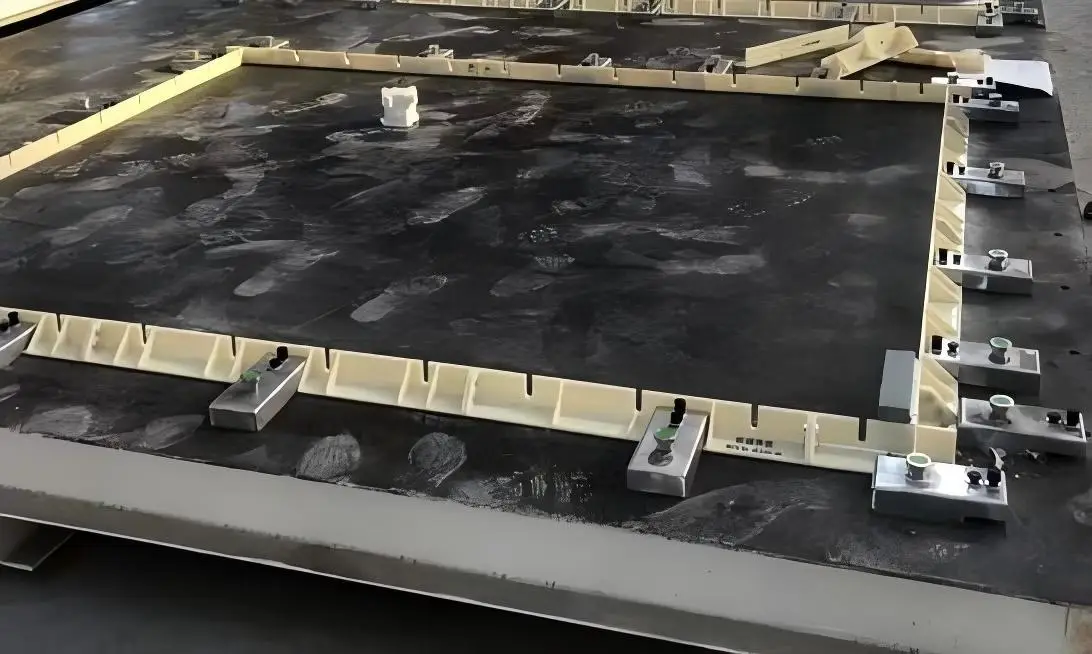
Magnetic Box Maintenance Notice Manual
Before using the magnetic box, check whether the bottom of the magnetic block and the platform are clean and flat.
DETAILS
15 Mar,2026
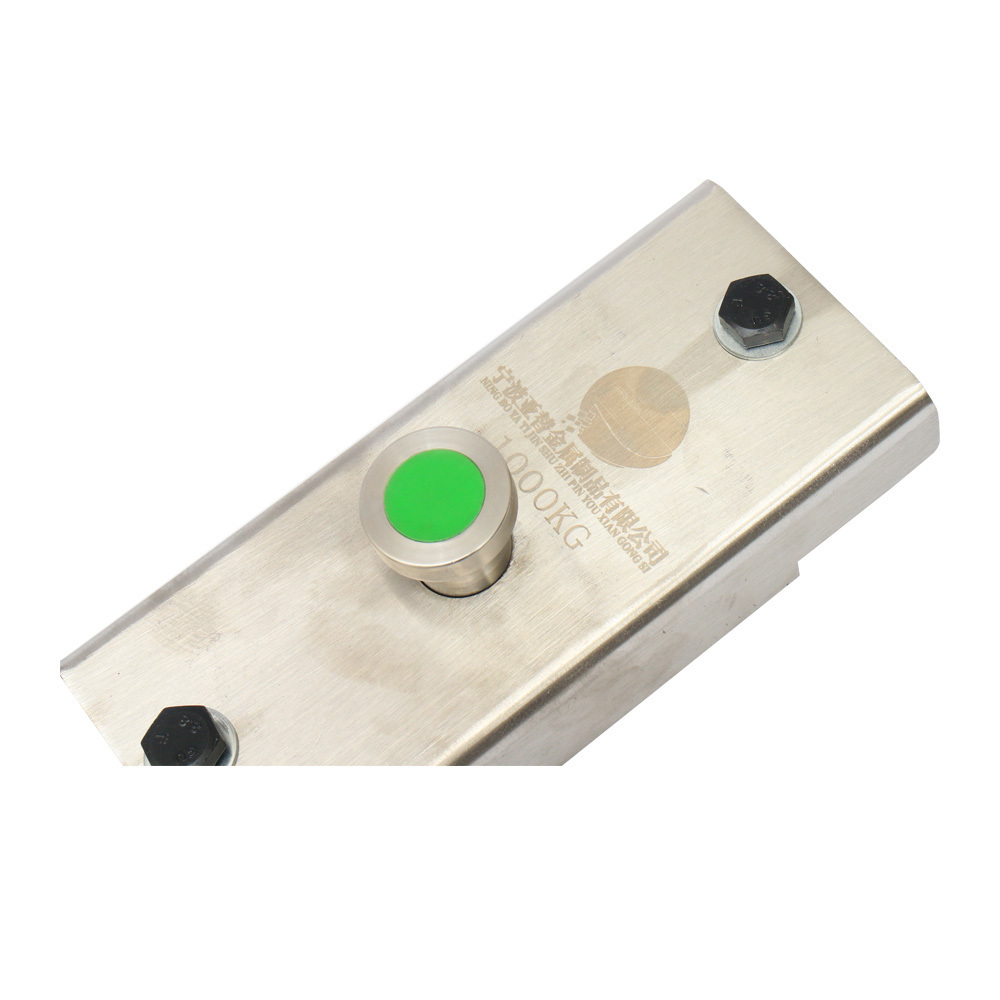
Maximizing Efficiency with Strong Magnetic Boxes for Formwork
In the realm of formwork construction, the use of strong magnetic boxes has gained significant attention for their efficiency and versatility. These magnetic boxes are designed to securely hold various elements in place, providing a stable framework during the construction process. By leveraging magnetic technology, professionals in the electrical and construction industries can streamline their o
DETAILS

Ningbo Yati Metal Products Co., Ltd.
No. 55, Meiliangqiao Village, Hengjie Town, Haishu District, Ningbo City, Zhejiang Province