Magnetic Shuttering: A Game-Changer for Electrical Engineers
Magnetic Shuttering: A Game-Changer for Electrical Engineers Table of Contents 1. Introduction to Magnetic Shuttering 2. What is Magnetic Shuttering? 3. Benefits of Magnetic Shuttering for Electrical Engineers 4. Applications of Magnetic Shuttering in Electrical Engineering 5. Magnetic Shuttering vs. Traditional Shuttering Methods 6. Design and Implementation of Magnetic S
Magnetic Shuttering: A Game-Changer for Electrical Engineers
Table of Contents
- 1. Introduction to Magnetic Shuttering
- 2. What is Magnetic Shuttering?
- 3. Benefits of Magnetic Shuttering for Electrical Engineers
- 4. Applications of Magnetic Shuttering in Electrical Engineering
- 5. Magnetic Shuttering vs. Traditional Shuttering Methods
- 6. Design and Implementation of Magnetic Shuttering
- 7. The Future of Magnetic Shuttering in Engineering
- 8. Conclusion
- 9. Frequently Asked Questions (FAQs)
1. Introduction to Magnetic Shuttering
In the ever-evolving field of electrical engineering, innovation often dictates the pace of progress. One such innovation making waves is **magnetic shuttering**. This technology revolutionizes traditional methods in construction and electrical applications, offering remarkable efficiency and versatility. With the growing demand for advanced electrical systems, understanding the intricacies of magnetic shuttering can equip electrical engineers with the knowledge they need to stay ahead of the curve.
2. What is Magnetic Shuttering?
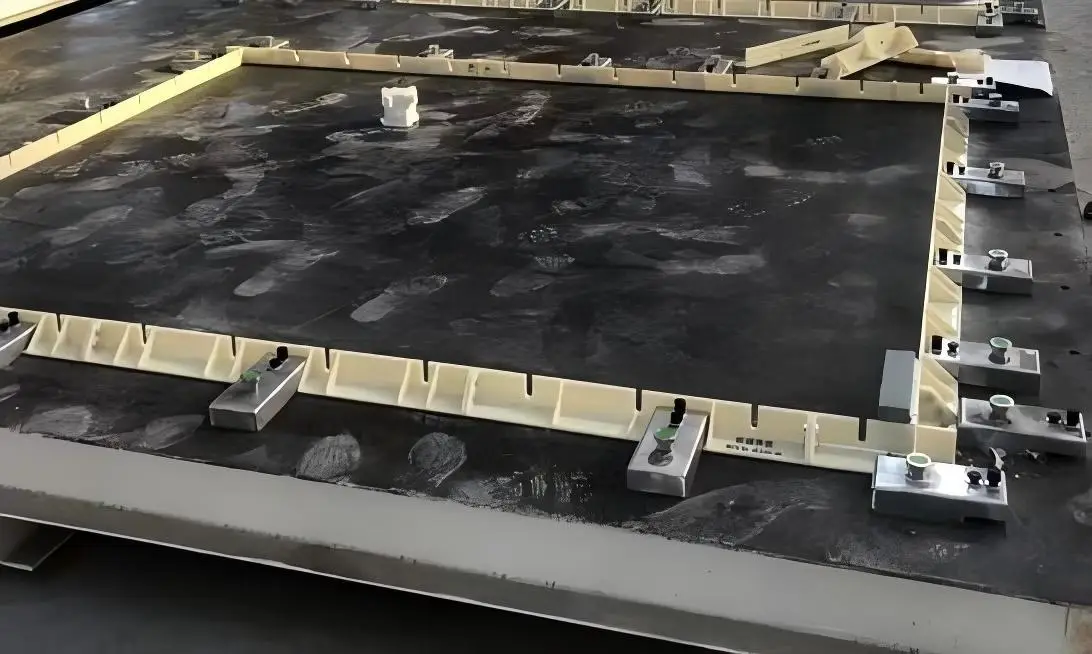
Magnetic shuttering involves the use of magnetic fields to create temporary barriers or shields, particularly in various electrical and construction applications. Unlike conventional shuttering methods that rely on physical materials, magnetic shuttering utilizes magnetic forces to hold materials in place, providing a stable and adjustable platform for work. This method is especially useful in environments where flexibility and precision are paramount, allowing for seamless adjustments without the need for extensive manual labor.
3. Benefits of Magnetic Shuttering for Electrical Engineers
The adoption of magnetic shuttering technology brings several benefits that can enhance the productivity and efficiency of electrical engineers:
3.1 Increased Efficiency
The streamlined process that magnetic shuttering provides allows engineers to execute projects more quickly. The magnetic fields can be adjusted with ease, reducing the time spent on setup and modifications.
3.2 Enhanced Safety
Safety is a top priority in engineering projects. Magnetic shuttering minimizes the risk associated with heavy lifting and securing materials, thus ensuring a safer working environment.
3.3 Versatility
From temporary barriers in construction to precise electrical shielding, magnetic shuttering can be adapted for various applications, making it an invaluable tool for engineers.
3.4 Cost-Effectiveness
By reducing labor costs and material waste, magnetic shuttering can lead to significant savings on projects, making it an economically viable option for many engineering firms.
3.5 Reduced Physical Workload
The reliance on magnetic forces decreases the physical strain on engineers and laborers, allowing for more efficient project execution and reducing the risk of workplace injuries.
4. Applications of Magnetic Shuttering in Electrical Engineering
The applications of magnetic shuttering are vast and varied, extending across multiple sectors within electrical engineering. Here are some of the most notable uses:
4.1 Electrical Insulation
Magnetic shuttering can be employed in the formulation of electrical insulation systems, providing a reliable barrier against electromagnetic interference, thus enhancing the performance of electrical devices.
4.2 Construction and Installation
In construction projects, magnetic shuttering provides a temporary support system that can be rapidly adjusted, making it ideal for complex installations that require precision.
4.4 Circuit Board Production
In the manufacturing of circuit boards, magnetic shuttering can facilitate the precise placement of components, thereby improving production efficiency and accuracy.
4.5 Temporary Barriers in Work Zones
Electrical engineers can use magnetic shuttering to create temporary barriers in hazardous work zones, ensuring safety and easy access to necessary tools and equipment.
5. Magnetic Shuttering vs. Traditional Shuttering Methods
When comparing magnetic shuttering to traditional methods, several key differences emerge:
5.1 Setup Time
Traditional shuttering methods often require extensive setup time and materials. In contrast, the magnetic approach allows for quick adjustments, minimizing downtime.
5.2 Material Usage
Magnetic shuttering reduces the need for physical materials, which not only lowers costs but also lessens environmental impact.
5.3 Flexibility
The inherent flexibility of magnetic shuttering makes it more adaptable to various project requirements, unlike rigid traditional methods that can limit creativity and problem-solving.
6. Design and Implementation of Magnetic Shuttering
Implementing magnetic shuttering in engineering projects requires careful consideration of design parameters:
6.1 Material Selection
Choosing the right magnetic materials is crucial. Engineers must consider factors like strength, weight, and environmental conditions to ensure optimal performance.
6.2 Magnetic Field Configuration
The design of the magnetic field itself plays a significant role in the effectiveness of shuttering. Engineers need to calculate the strength and distribution of the magnetic field to achieve the desired outcome.
6.3 Safety Measures
Incorporating safety features is essential, especially when dealing with high-stakes electrical projects. Engineers must ensure that the magnetic shuttering system is reliable and secure.
7. The Future of Magnetic Shuttering in Engineering
As technology continues to advance, the future of magnetic shuttering looks promising. Potential developments include:
7.1 Integration with Smart Technologies
The integration of magnetic shuttering with smart technologies could lead to more automated and efficient systems, enhancing their usability in various applications.
7.2 Expansion into New Industries
Magnetic shuttering's versatility means its applications may expand beyond electrical engineering, reaching fields such as aerospace, automotive, and renewable energy.
7.3 Enhanced Materials
Research into advanced magnetic materials could improve performance, durability, and effectiveness, making magnetic shuttering an even more attractive option for engineers.
8. Conclusion
Magnetic shuttering represents a significant advancement in the field of electrical engineering, offering unparalleled efficiency, safety, and versatility. As engineers increasingly look for innovative solutions to complex challenges, magnetic shuttering emerges as a viable option that complements traditional methods while paving the way for future advancements. By embracing this transformative technology, electrical engineers can enhance their projects, improve productivity, and contribute to a more sustainable future.
9. Frequently Asked Questions (FAQs)
What is the primary advantage of magnetic shuttering?
The primary advantage of magnetic shuttering is its ability to provide a flexible, efficient, and safe method for creating barriers and supports in various electrical engineering applications.
How does magnetic shuttering improve safety in engineering projects?
Magnetic shuttering minimizes manual labor and reduces the risk of injuries associated with heavy lifting and securing materials, creating a safer work environment.
Can magnetic shuttering be used in construction?
Yes, magnetic shuttering is widely applicable in construction projects, especially for creating temporary supports and barriers that require precision and flexibility.
Is magnetic shuttering cost-effective?
Absolutely. Magnetic shuttering reduces labor costs and material waste, making it a cost-effective solution for many engineering firms.
What industries can benefit from magnetic shuttering technology?
While primarily used in electrical engineering, magnetic shuttering has potential applications in various industries, including aerospace, automotive, and renewable energy.
MORE
18 Jan,2025
Magnetic Box Maintenance Notice Manual

10 Apr,2026
Column Shuttering Magnets: An Innovation in Construction Formwork Fixing Technology

Ningbo Yati Metal Products Co., Ltd.
No. 55, Meiliangqiao Village, Hengjie Town, Haishu District, Ningbo City, Zhejiang Province