A Comprehensive Analysis of Formwork Magnets for Precast
In the context of the rapid development of modern prefabricated construction, the production efficiency and precision of precast concrete components have become key factors in enterprise competitiveness. Among these, formwork magnets for precast, as an important tool for fixing formwork, are widely used in various precast component production lines due to their high efficiency, flexibility, and reusability.
In the context of the rapid development of modern prefabricated construction, the production efficiency and precision of precast concrete components have become key factors in enterprise competitiveness. Among these, formwork magnets for precast, as an important tool for fixing formwork, are widely used in various precast component production lines due to their high efficiency, flexibility, and reusability.
What are formwork magnets for precast?
Formwork magnets for precast are fixing devices with built-in high-performance magnets, primarily used to firmly attach steel formwork to a steel platform. Compared to traditional bolt or welding methods, the magnetic boxes eliminate the need for drilling or damaging the platform structure, significantly improving operational convenience and production efficiency.
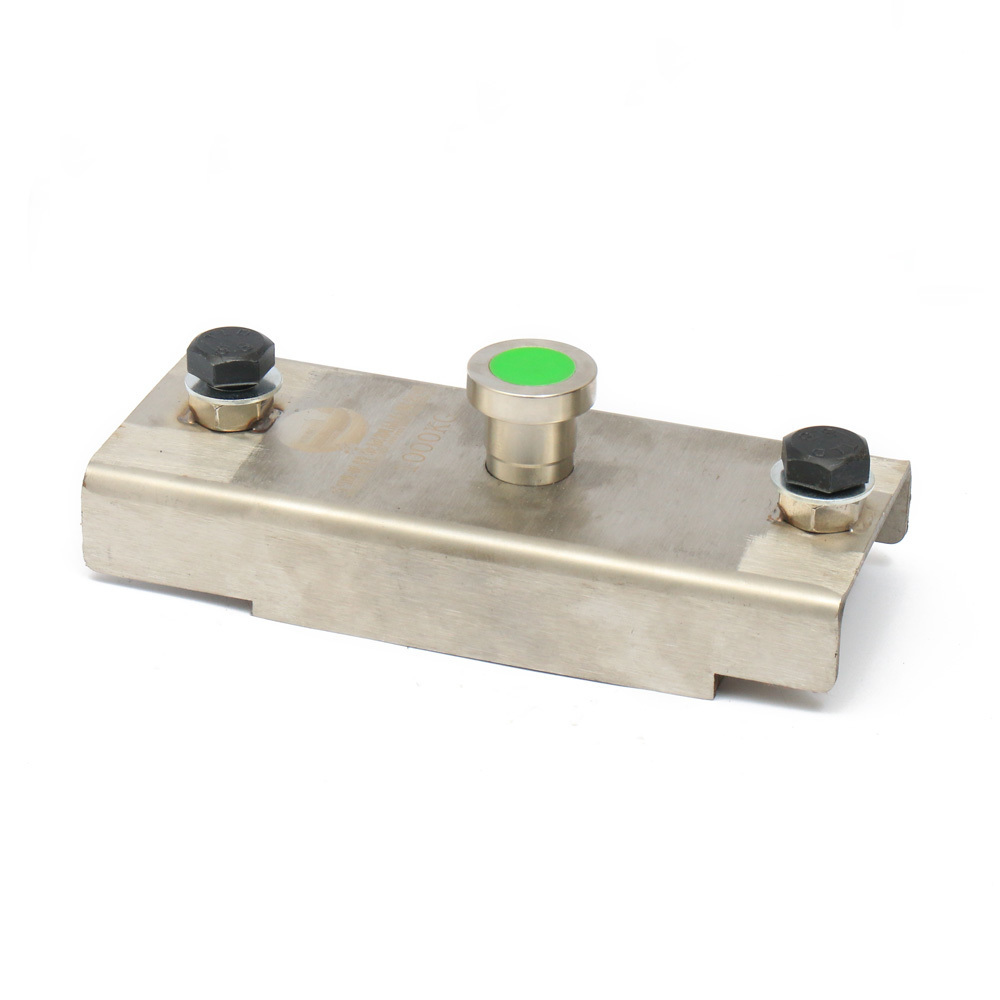
Core Advantages of Formwork Magnets for Precast
First, formwork magnets for precast possess strong adsorption force, maintaining formwork stability during concrete pouring and preventing displacement or deformation, thus ensuring the dimensional accuracy of precast components. Second, their operation is simple; adsorption and release are achieved via a button or lever, saving significant manual labor time. Furthermore, the magnetic boxes are reusable and durable, helping to reduce long-term production costs.
Application Scenarios Analysis
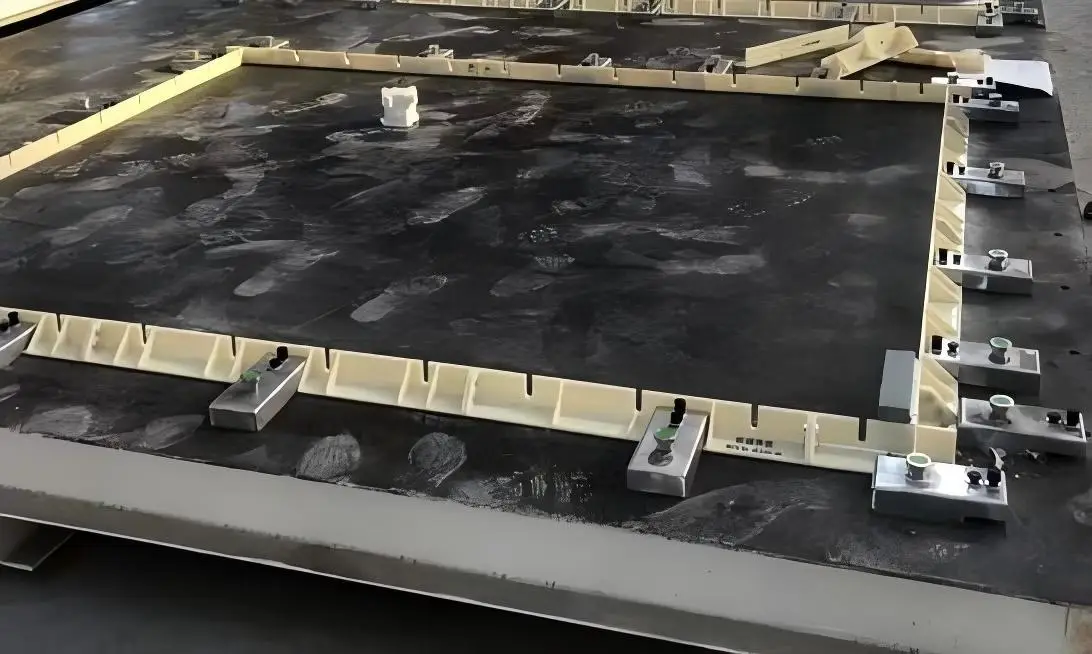
Formwork magnets for precast are widely used in the production of various precast concrete components such as wall panels, floor slabs, beams, columns, and stairs. In highly automated precast plants, the magnets are used in conjunction with steel formwork tables to achieve rapid formwork placement and adjustments, improving the overall production pace.
How to Choose the Right Formwork Magnets for Precast
During the selection process, key considerations should be given to the strength of the magnets, the material of the outer shell, the operating method, and the thickness of the formwork to be compatible. Different specifications of magnets are suitable for formwork of different weights and sizes; appropriate selection can effectively improve production efficiency. At the same time, products with corrosion resistance and high wear resistance should be prioritized to adapt to complex production environments.
Conclusion
With the continuous development of the prefabricated building industry, the role of formwork magnets for precast in precast component production is becoming increasingly important. Choosing high-quality formwork magnets for precast not only improves construction efficiency but also effectively ensures product quality, making them an important tool for precast plants to achieve standardized and large-scale production.
MORE
18 Jan,2025
Magnetic Box Maintenance Notice Manual
04 Apr,2026
Understanding Precast Socket Magnets: Applications and Benefits

Ningbo Yati Metal Products Co., Ltd.
No. 55, Meiliangqiao Village, Hengjie Town, Haishu District, Ningbo City, Zhejiang Province