Analysis of the Adsorption Stability of Precast Concrete Magnets
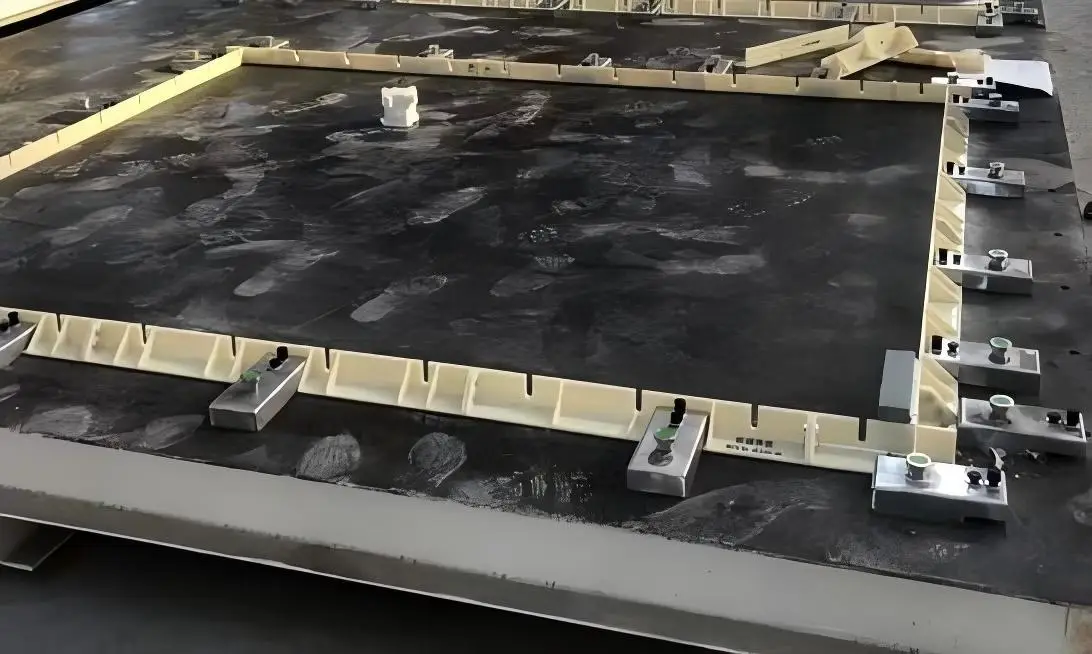
In the production of prefabricated buildings and components, precast concrete magnets serve as crucial tools for formwork fixation. The stability of their adsorption force directly impacts component dimensional accuracy and production safety. Stable and continuous magnetic force output not only ensures the formwork remains in place during casting but also effectively reduces rework rates and improves overall production efficiency.
In the production of prefabricated buildings and components, precast concrete magnets serve as crucial tools for formwork fixation. The stability of their adsorption force directly impacts component dimensional accuracy and production safety. Stable and continuous magnetic force output not only ensures the formwork remains in place during casting but also effectively reduces rework rates and improves overall production efficiency.
The stability of the adsorption force primarily depends on the material properties of the magnet itself. High-performance permanent magnet materials possess strong remanence and anti-demagnetization capabilities, maintaining a relatively stable magnetic flux density over long-term use. High-quality magnets combined with a well-designed magnetic circuit ensure a more uniform magnetic force distribution, thereby enhancing the overall adsorption effect. In repeated adsorption and release cycles, material quality plays a key role in the degree of magnetic force attenuation.

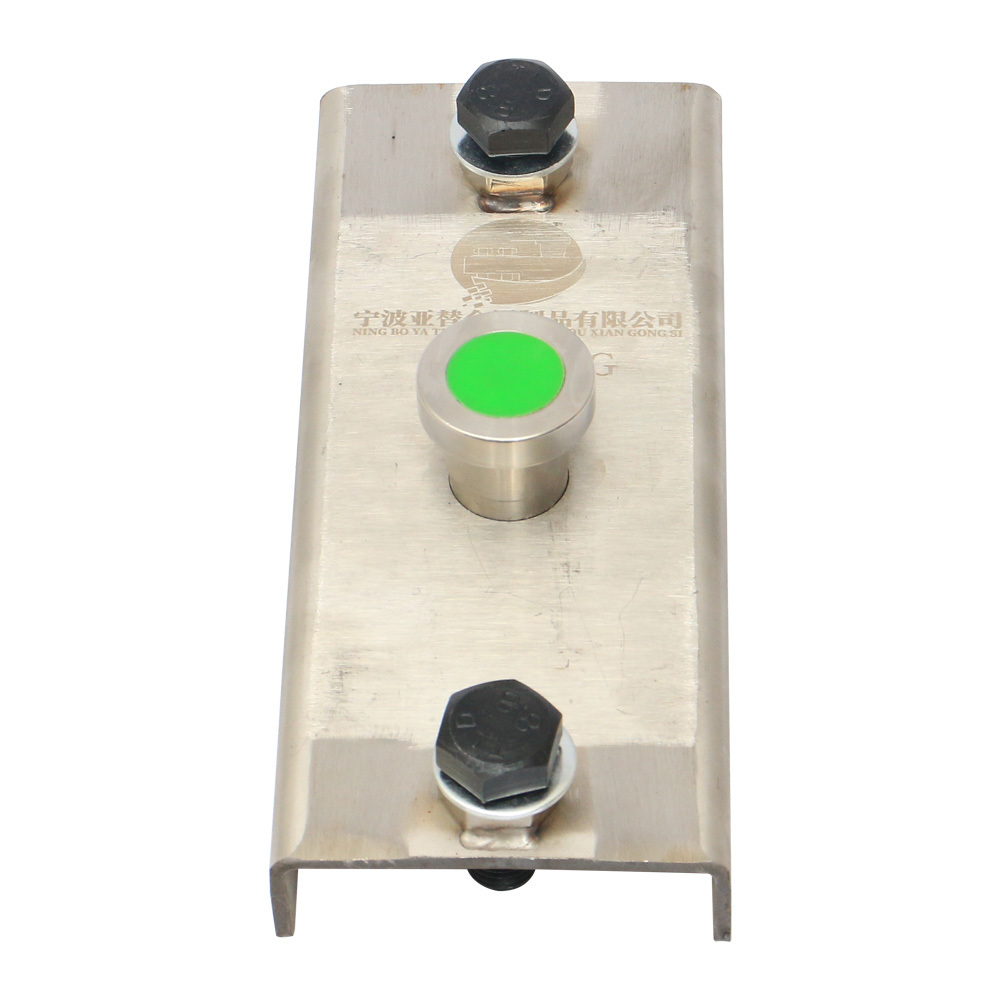
Structural design also affects the sustained performance of the adsorption force. Precast concrete magnets typically employ a steel shell cladding structure, which enhances overall strength and forms a closed magnetic circuit, reducing magnetic flux leakage. The flatness and processing precision of the bottom contact surface also affect the actual adsorption effect. Impurities or deformation on the contact surface will weaken the fit between the magnet and the steel mold, thus affecting the stability of the adsorption.
The operating environment is also a crucial factor. At the precast component production site, the magnet must withstand vibration, impact, and lateral pressure generated during concrete pouring. Insufficient or fluctuating adsorption force may cause mold displacement, affecting the dimensional accuracy of the components. Therefore, in practical applications, it is necessary to select a magnet model with an appropriate adsorption strength based on the weight of the mold and the lateral pressure to ensure a safety margin.
Daily maintenance is essential for maintaining stable adsorption force. Regularly cleaning iron filings and concrete residue from the bottom of the magnet can prevent obstruction of the contact surface; proper storage and avoiding high-temperature environments also help reduce magnetic attenuation. Through standardized operation and scientific management, the lifespan of the magnet can be extended, maintaining a stable adsorption effect.
The adsorption stability of precast concrete magnets is affected by many factors, including material properties, structural design, operating environment, and maintenance methods. Only with dual guarantees of product quality and effective usage management can a long-term stable mold fixing effect be achieved, providing reliable support for the high-quality production of precast components.
MORE
18 Jan,2025
Magnetic Box Maintenance Notice Manual
08 Apr,2026
Understanding Precast Concrete Magnets: A Guide for Professionals

Ningbo Yati Metal Products Co., Ltd.
No. 55, Meiliangqiao Village, Hengjie Town, Haishu District, Ningbo City, Zhejiang Province