Exploring the Versatility of Magnetic Shuttering Materials: Innovations in Electrical Applications
The concept of magnetic shuttering materials is gaining traction in various industries, particularly in electrical applications and construction.
Exploring the Versatility of Magnetic Shuttering Materials
Table of Contents
- 1. Introduction to Magnetic Shuttering Materials
- 2. Properties of Magnetic Shuttering Materials
- 3. Applications in Electrical and Construction Industries
- 4. Benefits of Using Magnetic Shuttering Materials
- 5. Comparison with Traditional Shuttering Materials
- 6. Installation Techniques for Magnetic Shuttering
- 7. Maintenance of Magnetic Shuttering Materials
- 8. The Future of Magnetic Shuttering Materials
- 9. Frequently Asked Questions
- 10. Conclusion
1. Introduction to Magnetic Shuttering Materials
The concept of magnetic shuttering materials is gaining traction in various industries, particularly in electrical applications and construction. These materials utilize the unique properties of magnets, allowing for flexible and efficient construction methods. This article delves deep into the various aspects of magnetic shuttering materials, shedding light on their properties, applications, benefits, and future potential.
2. Properties of Magnetic Shuttering Materials
Magnetic shuttering materials are designed to offer several distinct properties that set them apart from traditional materials. They are typically made from high-grade magnetic composites, ensuring durability and reliability. Key properties include:
2.1 High Magnetic Strength
The primary characteristic of these materials is their strong magnetic capability. This strength allows for easier handling and positioning during construction processes.
2.2 Flexibility and Adaptability
Unlike rigid materials, magnetic shuttering can conform to various shapes and sizes, making it ideal for custom projects. This adaptability reduces the need for additional framing and support.
2.3 Lightweight Composition
Magnetic shuttering materials are generally lighter than traditional concrete forms, which simplifies transportation and installation.
2.4 Corrosion Resistance
Many magnetic materials are designed to resist corrosion, ensuring longevity in outdoor or harsh environments.

3. Applications in Electrical and Construction Industries
Magnetic shuttering materials have a diverse range of applications, particularly in electrical and construction sectors.
3.1 Electrical Enclosures
One of the primary uses of magnetic shuttering materials is in the creation of electrical enclosures. Their robust magnetic properties allow for secure closures, protecting sensitive electrical components from external elements.
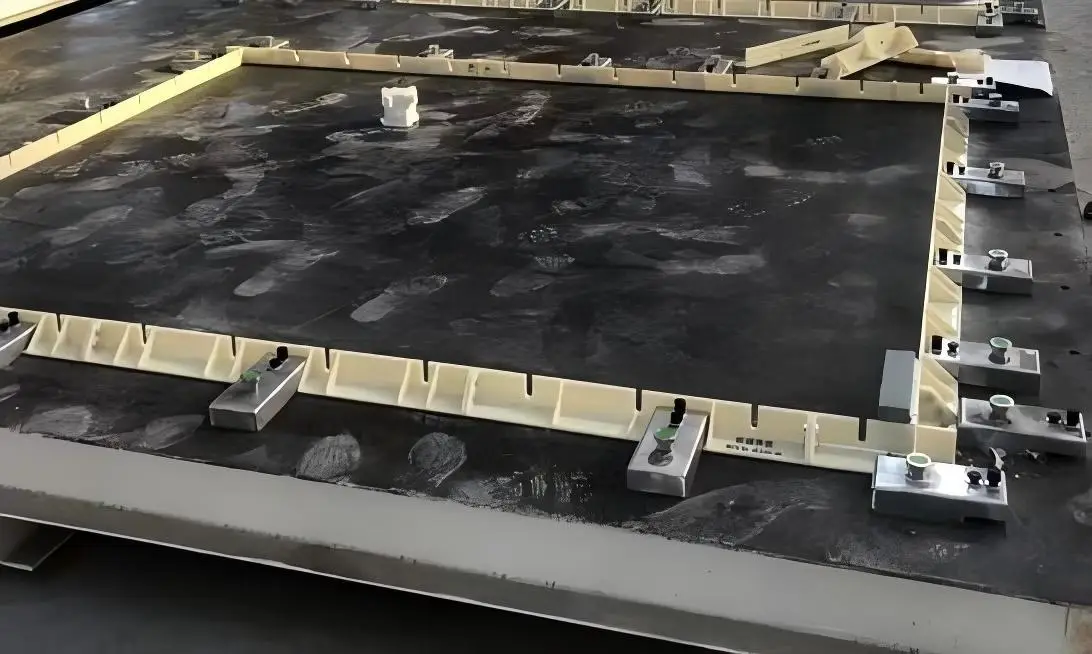
3.2 Temporary Formwork in Construction
In construction, magnetic shuttering serves as an effective temporary formwork solution. It allows for quick setup and dismantling, significantly reducing labor costs and project timelines.
3.3 Magnetic Shielding
Due to their unique properties, these materials are also used for magnetic shielding applications, protecting sensitive electronic devices from electromagnetic interference.
3.4 Custom Tooling and Fixtures
The adaptability of magnetic shuttering materials makes them ideal for creating custom tooling and fixtures in manufacturing settings.
4. Benefits of Using Magnetic Shuttering Materials
Choosing magnetic shuttering materials over traditional options brings several advantages to the table.
4.1 Increased Efficiency
The quick installation and removal processes associated with magnetic shuttering lead to increased operational efficiency, allowing projects to be completed faster.
4.2 Cost-Effectiveness
With reduced labor costs and time savings, magnetic shuttering materials can be a more economical choice in the long run.
4.3 Enhanced Design Flexibility
The ability to conform to various shapes provides architects and engineers with the creative freedom to design innovative structures without the constraints of traditional materials.
4.4 Environmental Considerations
Magnetic materials are often recyclable, making them an eco-friendly option compared to conventional materials that may contribute to landfill waste.
5. Comparison with Traditional Shuttering Materials
When comparing magnetic shuttering materials with traditional options, several key differences emerge.
5.1 Weight
Traditional shuttering materials, such as wood or steel, can be cumbersome and require heavy machinery for installation. In contrast, magnetic shuttering is lightweight, facilitating easier handling.
5.2 Setup Time
Setting up traditional shuttering systems often involves multiple steps, including assembly and securing, whereas magnetic shuttering can be installed almost instantly due to its inherent design.
5.3 Cost
While the initial investment in magnetic shuttering materials might be higher, the long-term savings in labor and time often outweigh the upfront costs.
6. Installation Techniques for Magnetic Shuttering
Installing magnetic shuttering materials requires a clear understanding of the techniques involved to maximize effectiveness.
6.1 Surface Preparation
Before installation, ensure that the surface is clean and free from debris to allow for optimal adhesion of the magnetic materials.
6.2 Positioning
Position the magnetic shuttering sections as needed, ensuring that they are aligned correctly for the intended application.
6.3 Securing the Shuttering
Utilize the inherent magnetic properties to secure the sections in place, ensuring stability during the application of concrete or other materials.
7. Maintenance of Magnetic Shuttering Materials
Proper maintenance of magnetic shuttering materials is essential to ensure their longevity and performance.
7.1 Regular Inspections
Conduct regular inspections for any signs of wear or damage, particularly after extensive use.
7.2 Cleaning
Keep the materials clean to maintain their magnetic strength and functionality. Use mild detergents and avoid abrasive cleaners that could damage the surface.
7.3 Storage
Store magnetic shuttering materials in a dry environment to prevent any moisture-related issues that could impair their performance.
8. The Future of Magnetic Shuttering Materials
As technology continues to advance, the future of magnetic shuttering materials looks promising. Innovations in material science may lead to even stronger and more adaptable magnetic solutions. Research is ongoing into the development of smart magnetic materials that could integrate with IoT technologies for enhanced functionality in electrical applications.
9. Frequently Asked Questions
9.1 What are magnetic shuttering materials made of?
Magnetic shuttering materials are typically composed of high-grade magnetic composites, designed for strength and durability.
9.2 How long do magnetic shuttering materials last?
With proper maintenance, magnetic shuttering materials can last for many years, often exceeding the lifespan of traditional materials.
9.3 Can magnetic shuttering be reused?
Yes, one of the advantages of magnetic shuttering materials is their reusability, making them a cost-effective solution for multiple projects.
9.4 Are magnetic shuttering materials eco-friendly?
Many magnetic materials are recyclable, contributing to their sustainability in construction and manufacturing.
9.5 How do I choose the right magnetic shuttering material for my project?
Consider factors such as the specific application, required strength, and environmental conditions when selecting magnetic shuttering materials.
10. Conclusion
Magnetic shuttering materials represent a significant advancement in both the electrical and construction industries. Their unique properties offer unparalleled versatility and efficiency, making them a valuable tool for engineers and contractors alike. As we continue to explore their potential applications, it is clear that magnetic shuttering materials will play an essential role in the future of innovative construction solutions. Embracing this technology not only enhances project efficiency but also paves the way for more sustainable building practices.
MORE
18 Jan,2025
Magnetic Box Maintenance Notice Manual

21 Mar,2026
The Impact of Precast Magnets on Electrical Circuit Design: A Comprehensive Guide

Ningbo Yati Metal Products Co., Ltd.
No. 55, Meiliangqiao Village, Hengjie Town, Haishu District, Ningbo City, Zhejiang Province